5 Ways to Get Carbon Monoxide Poisoning in an All-Electric Home
Even without combustion appliances, carbon monoxide can still enter your home. Here are five overlooked sources—and how to avoid them.


More Building Science


Carbon monoxide poisoning can be deadly. Even if it’s not deadly, it can make you ill. Maybe it’s just a headache that won’t go away. Or flu-like symptoms. How about brain fog and lethargy? You can’t see or smell carbon monoxide (CO). If it’s in the air in your home, you’re breathing it and it could be making you ill. And yes, this can happen even in an all-electric home. I knew about four of the five methods below, but one of them was a surprise to me when I learned about it this weekend.
The problem with carbon monoxide
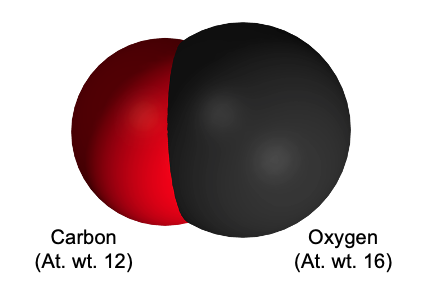
The reason CO is so dangerous lies in its similarity to the oxygen molecule, O2. They’re close to the same size and weight, so when you inhale air with carbon monoxide, those CO molecules replace some of the oxygen that forms hemoglobin in your red blood cells. The result is something called carboxyhemoglobin, and it’s not good. Oxygen is essential for the proper functioning of your body. If you’ve ever felt short of breath when you’re at a high altitude, you know what it’s like for your body to be short of oxygen. Carbon monoxide poisoning is worse.
Carbon monoxide is a product of incomplete combustion. There are some noncombustion pathways that result in CO, but it’s almost certainly combustion that produced it if you have CO in your house. So how the heck can you get CO in an all-electric home? Here are five ways.
1. Generator
There are only about 400 to 500 accidental deaths due to CO poisoning in the U.S. each year.† (That figure doesn’t include house fires or suicides.) Generators are the single leading consumer product cause of CO deaths, and total around 80 to 100 deaths per year in the U.S. So if you have an all-electric home and the power goes out, be extra careful with that generator in the garage. Definitely don’t run it in the garage. Most homes have too many air-leakage pathways between the garage and the indoors. And of course, never, ever run it in the house.
![Generators should always be operated outdoors. [by insomnix CC BY-NC-SA 2.0]](https://www.energyvanguard.com/wp-content/uploads/2026/03/generator-gasoline-powered-carbon-monoxide-co.jpg)
2. Attached garage
You may have an all-electric home, but do you drive only electric cars? Is all your lawn equipment powered by electricity? Do you keep all kinds of combustion out of the garage? If you answered yes to those three questions, you’re probably safe here. If there’s any kind of combustion going on in your garage, though, you almost certainly are getting some of the carbon monoxide from the exhaust into your home’s air.
3. Grilling close to the house
Who doesn’t love cooking food on the grill in the backyard on a nice day! It’s hard to beat hanging out with friends and family, eating tasty food from grill. Whether you’re burning charcoal, fossil gas, or propane, you’re generating carbon monoxide. But you’re outdoors where the exhaust gases are immediately diluted.
The problem comes when you’re too close to the house—or worse, in the garage because it’s raining. This one’s similar to the generator in the garage hazard. Weather patterns or proximity to air leaks can send CO into the house. Another way to send CO indoors is through an intake vent for a whole-house ventilation system. So keep a good distance between the grill and the house.
4. Pool heater
If you’re of a certain age and paid any attention to men’s professional tennis, you may have heard the name Vitas Gerulaitis. He won the 1977 Australian Open and ranked as high as number 3 in the world. Sadly, he died of carbon monoxide poisoning in 1994 while he was sleeping in the guesthouse at a friend’s home. The culprit was an improperly installed pool heater.
One of my building science friends, Paul Raymer, writes murder mystery novels that draw on his building science knowledge. In one of them, he chose a pool heater that was deliberately installed incorrectly as the murder weapon.
5. Self-cleaning electric oven
Finally, we have the one I just learned about. When you use the self-cleaning feature of your oven (if it is so equipped), it heats up the inside to over 900°F (~500°C). Wow! That’s hot. That’s apparently what you need to burn off the crud that can coat the inside of the oven.
Did you catch relevant part of that last sentence? If not, it was “burn off.” That means you’ve got combustion inside your electric oven. And that kind of combustion will almost always be incomplete, meaning that it will make carbon monoxide.
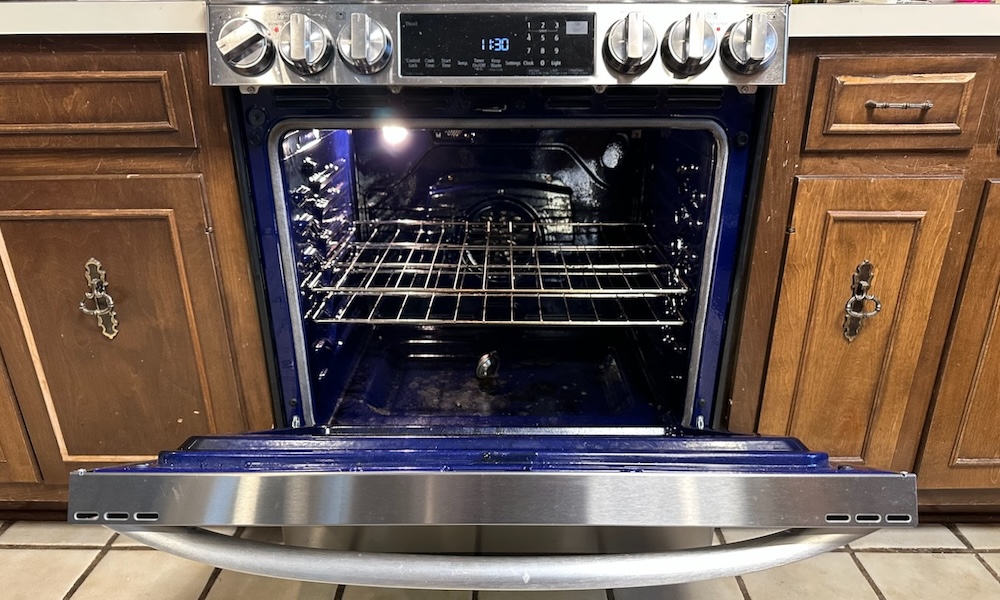
I’ve been reading the book My House Is Killing Me! by Jeffrey and Connie May, and that’s where I found out about the self-cleaning oven connection to CO poisoning. It’s a great book, and if you want to live in a healthy home, you should read it. I’ve learned a bunch from it so far, and I’m not even halfway through.
How to prevent carbon monoxide poisoning in the home
If you have any combustion appliances, get them tested for proper operation. Or eliminate them and go all-electric. For an attached garage, improve the airtightness between the garage and the living space. You can go even further by changing the pressure dynamics with an exhaust fan and the GarageVent controller.
Regarding the self-cleaning feature of an electric oven, always use the range hood when you run it, preferably with a nearby window open too. Also, choose times to do it when no one is in the kitchen.
Then, of course, I have to give my longstanding recommendation that you buy and install a low-level carbon monoxide monitor. Please read my article on that topic to understand why.
The crux
Carbon monoxide poisoning is a serious risk. It’s obvious this can happen in homes with combustion appliances. A backdrafting natural draft water heater is one of the most common ways you can get CO in a home. But don’t rest easy just because you have an all-electric house. And be aware of the potential for self-cleaning ovens to cause carbon monoxide poisoning.
†That’s a small fraction of the more than 58,000 total poisoning deaths in 2024. That is not, however, a reason to discount its importance.
Allison A. Bailes III, PhD is a speaker, writer, building science consultant, and the founder of Energy Vanguard in Decatur, Georgia. He has a doctorate in physics and is the author of a bestselling book on building science. He also writes the Energy Vanguard Blog. For more updates, you can follow Allison on LinkedIn and subscribe to Energy Vanguard’s weekly newsletter and YouTube channel.
Weekly Newsletter
Get building science and energy efficiency advice, plus special offers, in your inbox.