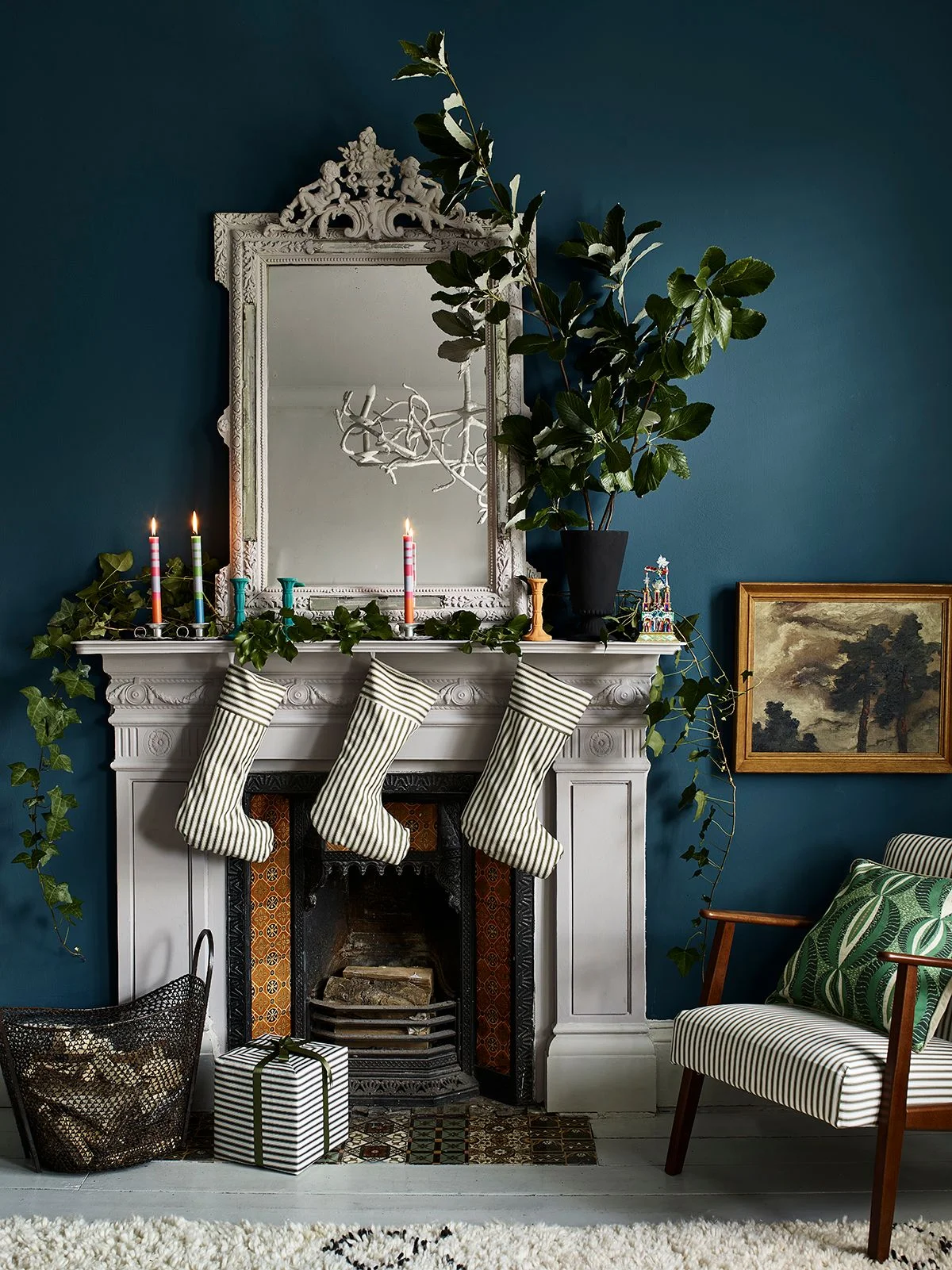
Opening a flagship store gives a digital retailer more than a new sales channel: it puts products, service, and brand standards in front of customers in ways a website can’t. For Shea and Syd McGee, the Salt Lake City shop is also a live test of how their design business can grow without losing its personal touch. Their early lessons point to a practical truth: a strong retail concept has to answer to both taste and day-to-day operations.
The couple had long imagined opening a McGee & Co. shop, collecting ideas over the years. Now, after launching their flagship store, they’ve learned that planning only goes so far. The experience of opening the doors surfaced lessons they couldn’t get from sketches and spreadsheets alone.
Design the store around the brand, then test the numbers
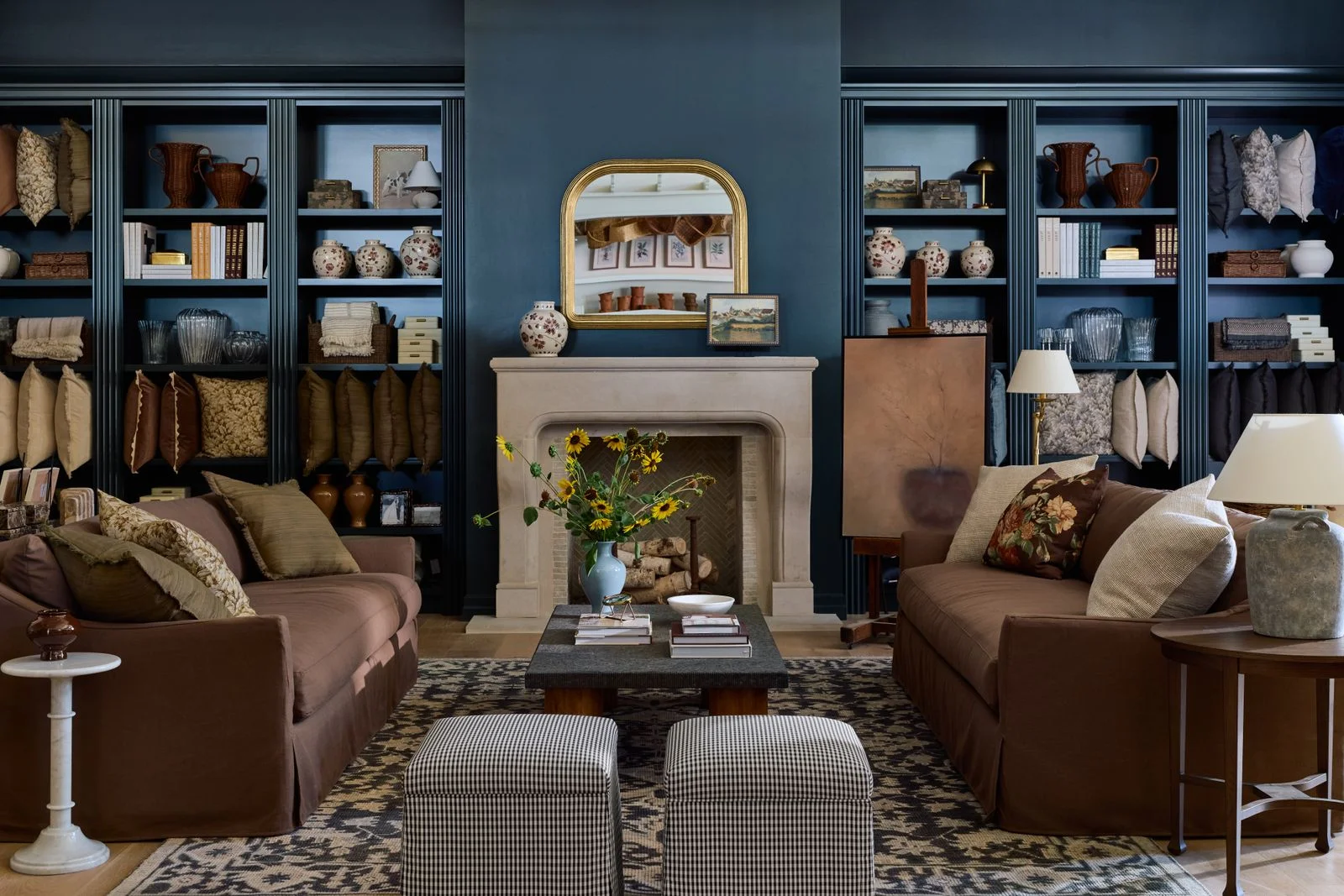
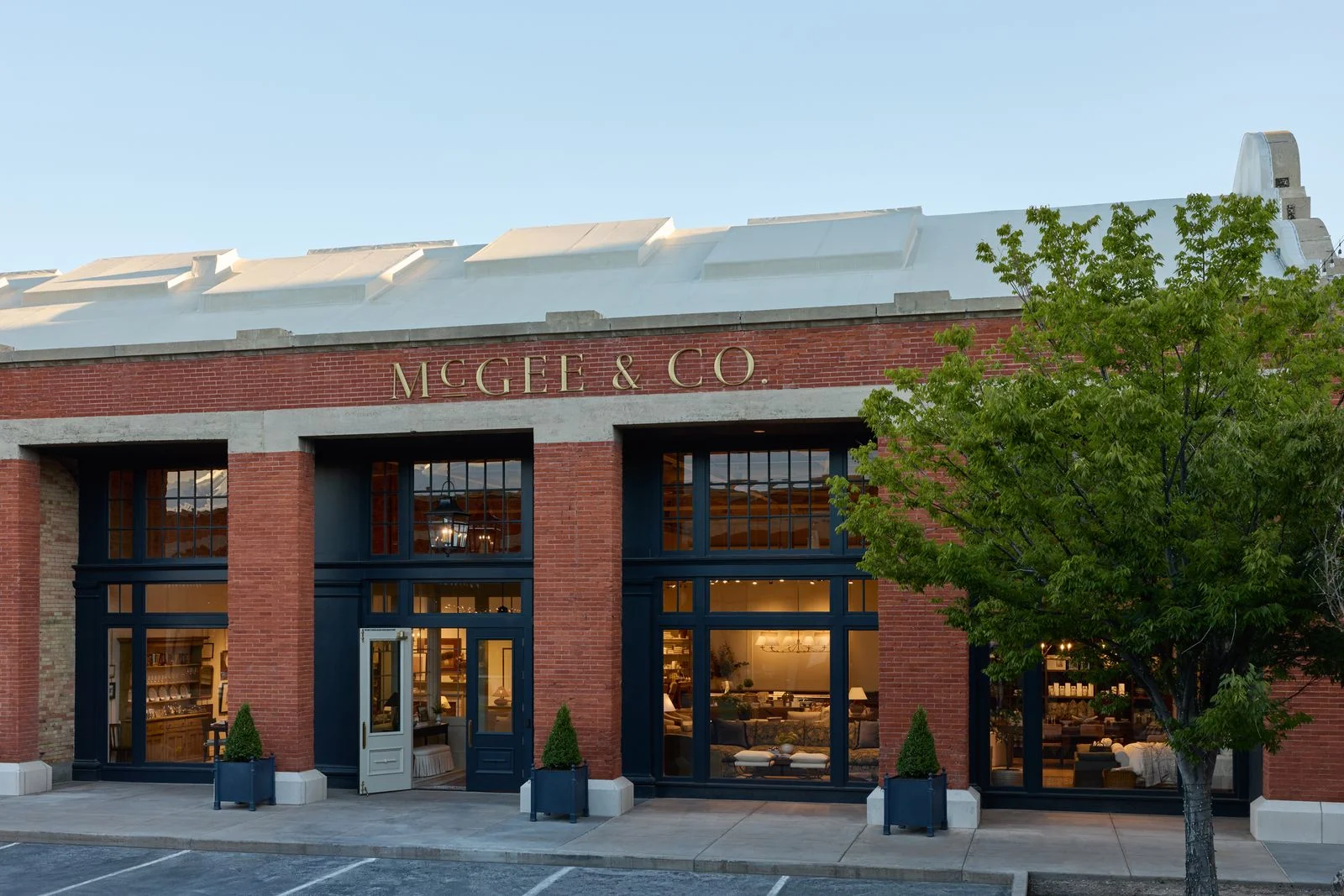
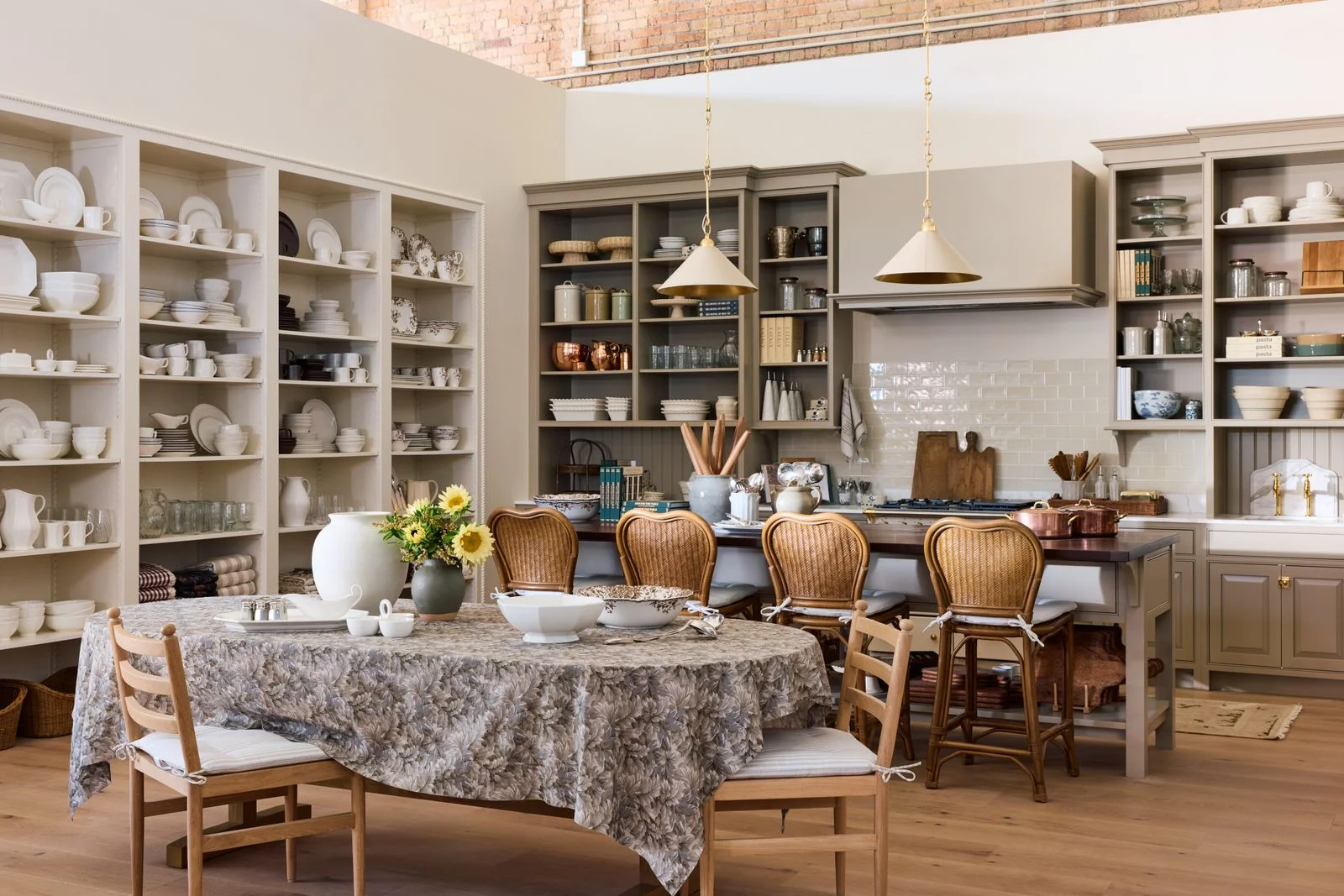
The McGees wanted the shop to feel like one of their homes: layered, collected, and full of details to discover. A conventional assortment often starts with sales per square foot, but they chose to let the design identity lead. That choice fits a designer-led brand, though it still had to make commercial sense.
They mapped out possible zones, including a kids’ area and a kitchen section, then used planograms and input from the merchandising team to work out what would fit. The clearest example of compromise was lighting: the planned gallery gave way to a moody lounge that can display different furniture. Lighting made up a smaller share of sales, so dedicating that much floor space to it didn’t add up.
Photography courtesy of McGee & Co.
Make the service part of the brand
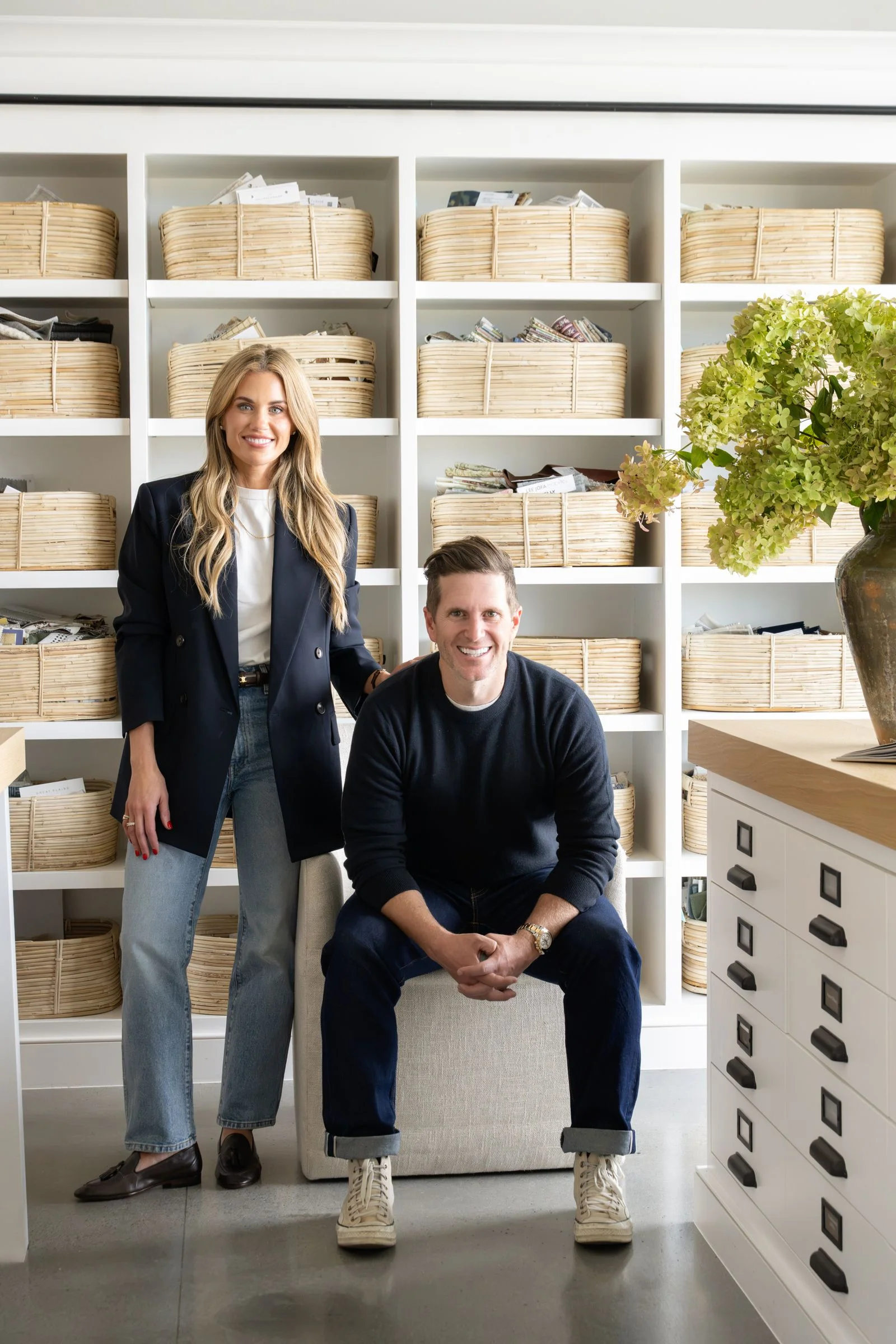
The McGees hope to expand nationwide while keeping the warmth of a standalone shop. That puts unusual weight on hiring: employees represent both McGee & Co. and Shea personally. The brand has aimed to feel welcoming in its content, social media, and client work; store associates need to carry that same approach into customer interactions.
Photography courtesy of McGee & Co.
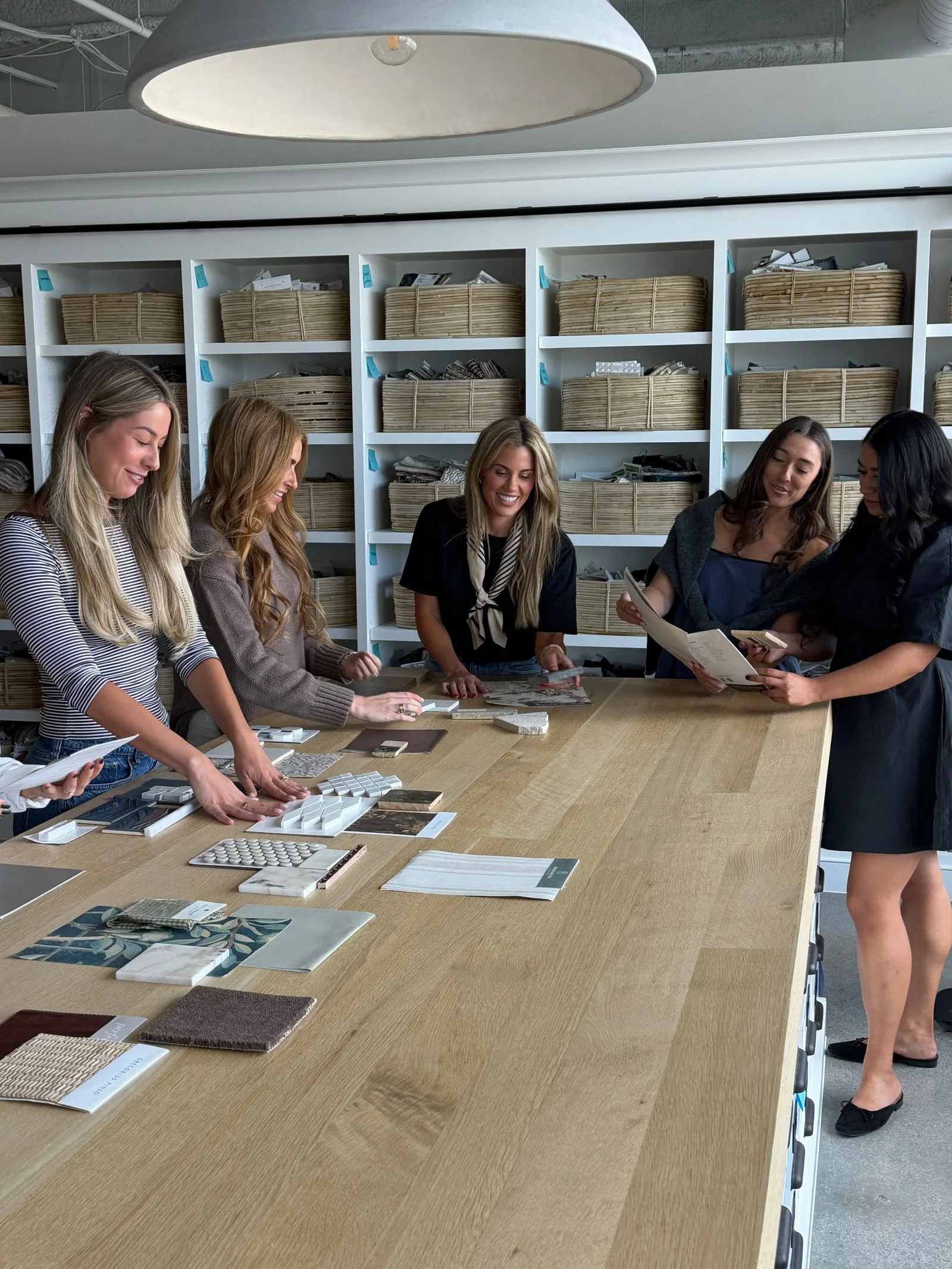
That service standard needs to be taught, not assumed. Shea spent months building a training guide covering the McGee approach to decorating, from rug placement and accent table arrangements to layering bedding. She used notes from narrated walk-throughs to shape the manual, with help from AI, and plans to keep updating it as the business grows. The guide draws on her design approach and turns it into a repeatable way to train staff.
A manual alone won’t show whether people have absorbed the material. The team schedules check-ins during training, following a process similar to the one used for junior designers at Studio McGee. Those conversations are meant to build confidence on both sides and help associates work independently over time. Senior designers are expected to hold regular sessions with the shop’s design team.
Photography courtesy of McGee & Co.
Because the flagship is local, Shea can also drop in to review the store’s visuals, standards, and operations. That kind of oversight may be difficult to maintain across multiple locations, but it gives the first shop a useful layer of hands-on quality control.
Use an opening to find the problems
The flagship began with a quiet September opening: no announcement and no social media post. The team watched customers come in, gathered real-time feedback, and adjusted before the official launch two weeks later. A soft opening can feel modest, but the McGees found it valuable for resolving early snags before a larger audience arrived.
The store is in Salt Lake City’s Trolley Square and covers 7,500 square feet. The location made sense for a first shop, and the company’s years in ecommerce have given it data on where its customers live. Texas and California are among the markets the McGees are considering for future expansion.
Photography courtesy of McGee & Co.
There’s a case for seeing physical retail and ecommerce as reinforcing one another. Customers can try a product in person, get design advice, and complete a purchase online later. In-store merchandising also lets the company explain quality and styling in ways a product page can’t. The team says it’s learning more about its own assortment by seeing items arranged together—and that customers may see those products differently, too. Those observations echo broader changes in retail design.
Measure the work behind the scenes
Profitability is an obvious measure of success, but the McGees are also focused on whether the store’s systems work. That includes making free design services easy to find and ensuring customers have a good experience using them. Those operational details are less visible than a polished display, yet they’ll shape whether the company can deliver the same level of service as it grows.
The first Salt Lake City store is a demanding test: it’s a flagship, the starting point for future locations, and it’s opening just before the holiday rush. Shea’s plan is to review what succeeds and what fails, then make changes. That willingness to assess the operation honestly may matter as much as the launch itself.
Build the team for the opening you have
A flagship opening leaves little room to learn basic retail operations on the fly. Evan Hutton, head of retail store operations, says the Salt Lake City team includes experienced retail hires who can handle opening and closing procedures, store cleanliness and loss prevention. Their operational knowledge gives the company room to teach the McGee & Co. brand and design principles.
That experience is an investment in future growth, too. The store is staffed more heavily with seasoned people than a single location might ordinarily require, but those employees can help train teams for later openings. If you’re launching a first store, that’s a practical distinction: the opening crew can become the training bench for the next one.
Pair retail skill with brand enthusiasm
Experience alone isn’t the whole hiring brief. The team also includes newer employees drawn to interior design and the McGee & Co. brand. Hutton’s caveat is pointed: a love of design won’t carry someone who has no interest in retail work. Staff need to be willing to run the register, restock, welcome customers and vacuum the floor.
Here’s the thing: a polished store still depends on unglamorous work getting done. The balance between seasoned operators and brand-minded newcomers gives the team both practical know-how and enthusiasm. Whether that mix holds up through a holiday opening—and provides a model for future locations—will become clearer once the first rush is over.