Why physical retail still matters
For designers with an established online business, a shop can do something a website can’t: let customers experience the brand in person. They can sit on the sofas, handle the fabrics and find a last-minute gift. That appeal is real, but so is the risk. A store brings decisions about location and foot traffic, merchandising and staffing, all of which shape whether the business can make the leap work. Shea and Syd McGee opened the McGee & Co. flagship in Salt Lake City after years of building their e-commerce business and preparing for a physical store. The opening, nearly two months before this account, sharpened a set of practical questions: how do you turn a digital brand into a place to shop, give customers reasons to return, and carry successful practices into future growth? Those questions matter beyond one flagship. The store has to deliver the same level of service and design customers expect from the rest of the business.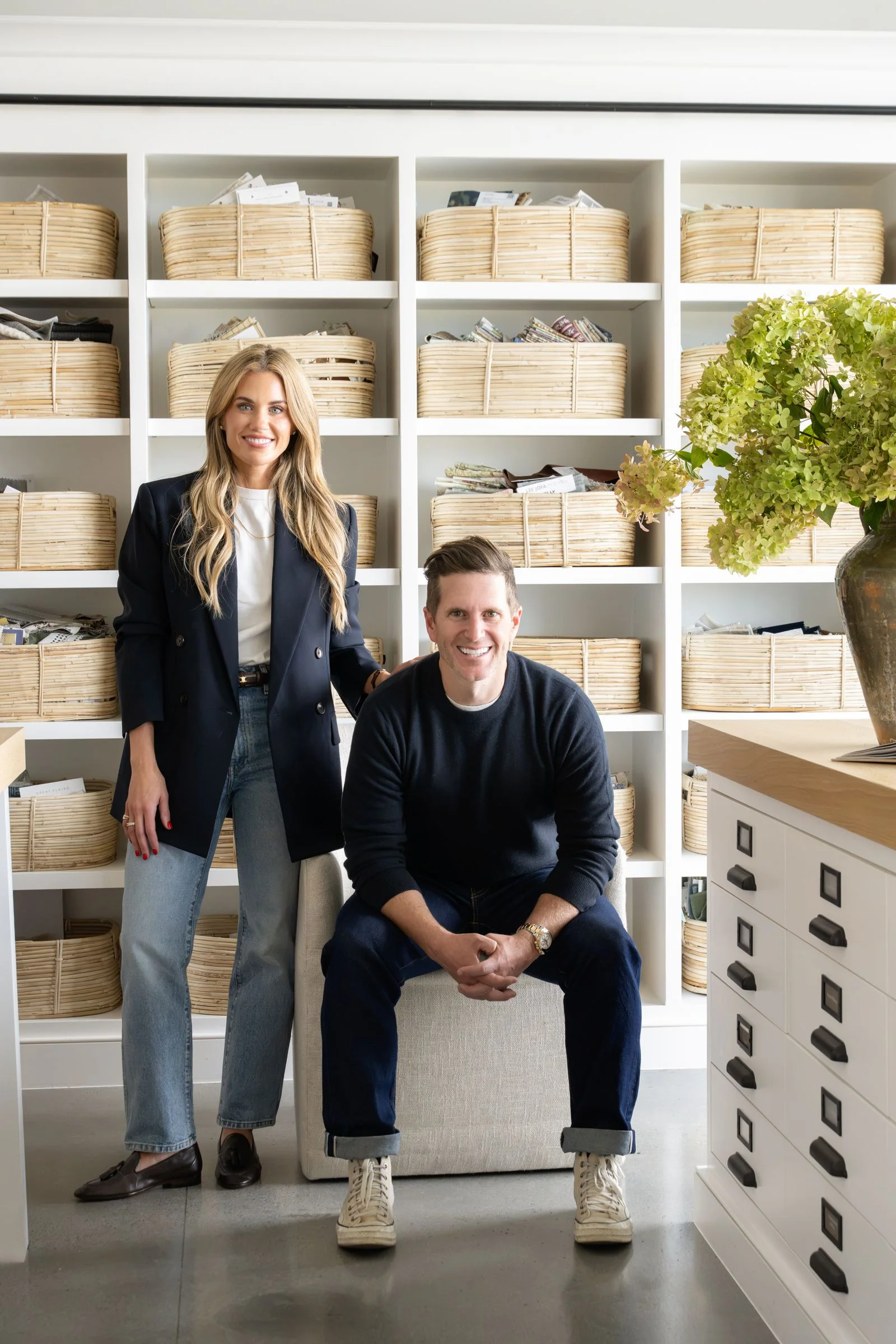
What the guide examines
This guide draws on the McGees’ experience and perspectives from other retail professionals. It looks at the choices behind opening a store, including merchandising and hiring and training staff. It also examines how retailers build customer loyalty over time, with input from Lawson-Fenning, Il Buco Vita, Tailor-Made Textiles and ABC Carpet & Home. Here’s the point that can get lost amid talk of online choice: access to products and information may be nearly unlimited, but earning trust still takes attention and care. A store can become a destination for discovery, though the fragment offers no formula for making that happen. Relationships, the McGees argue, are among retail’s most valuable resources. The guide also turns to the design decisions behind four shops attracting attention in 2026, from a small fashion boutique in Paris to a welcoming kitchen and home goods store in New York City. For designers considering a store of their own—and for anyone watching how retail evolves—the questions are concrete: what brings people through the door, and what gives them a reason to come back?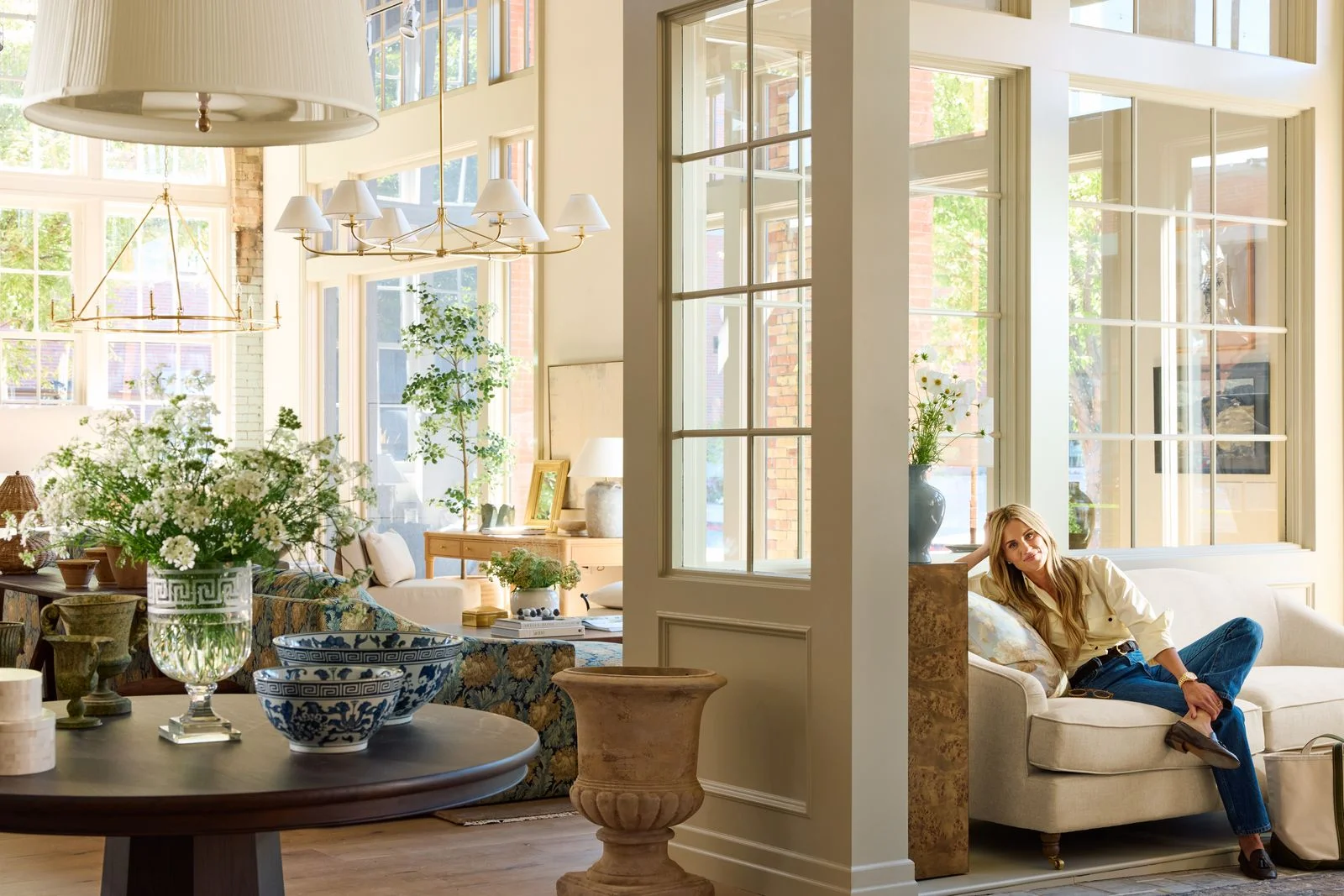
Opening a store
Shea McGee’s 8 Lessons for Opening a Retail Store The Salt Lake City flagship was a baptism by fire. McGee explains how she and her team planned their first store around profitability, growth and a distinct McGee experience. —As told to Lila Allen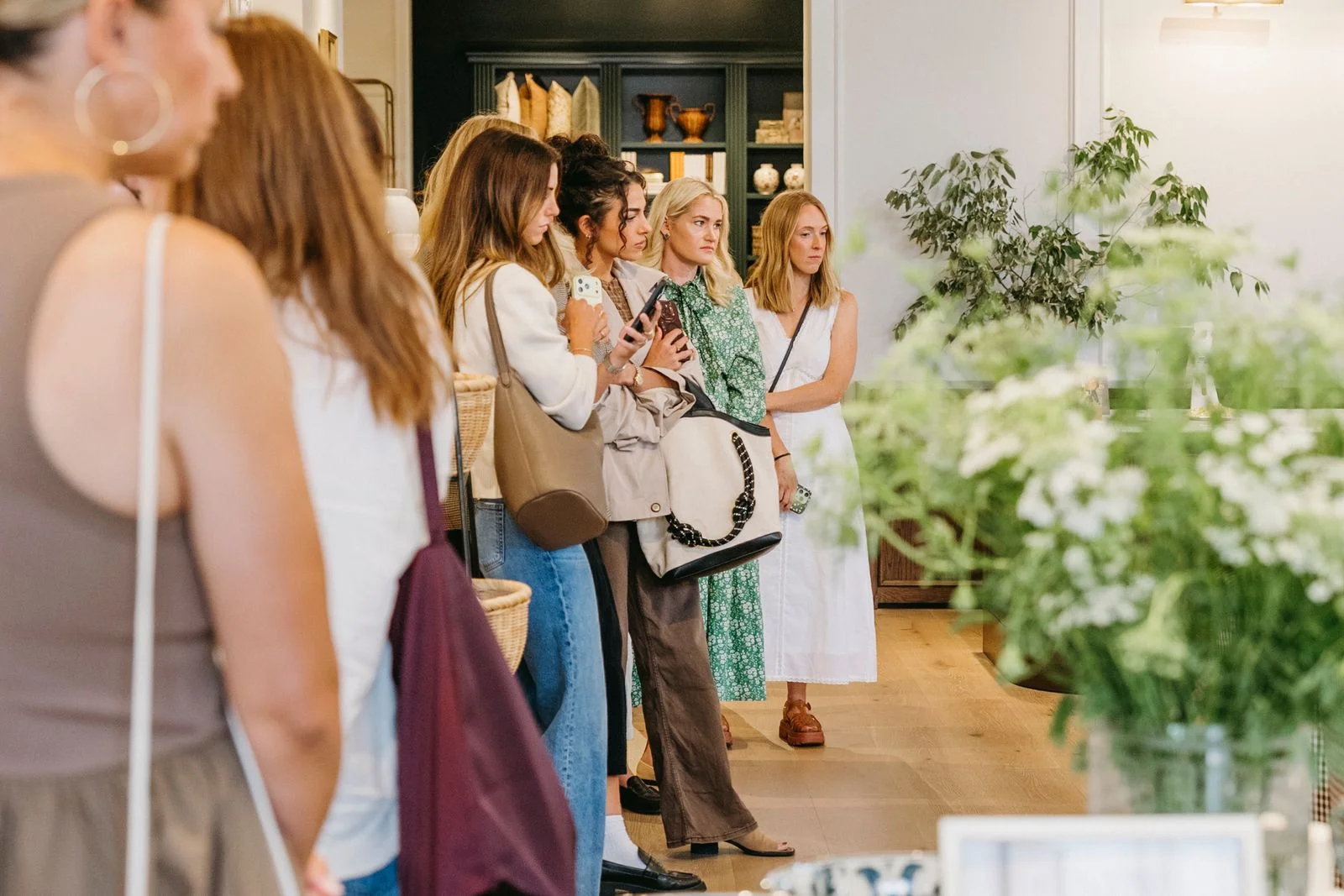
Building customer loyalty
What’s the Secret to Customer Loyalty? (Hint: It’s Not Just About Shopping) Retail experts from across the country discuss how they build lasting customer relationships in an era of instant gratification and easy comparison shopping. —By Lila Allen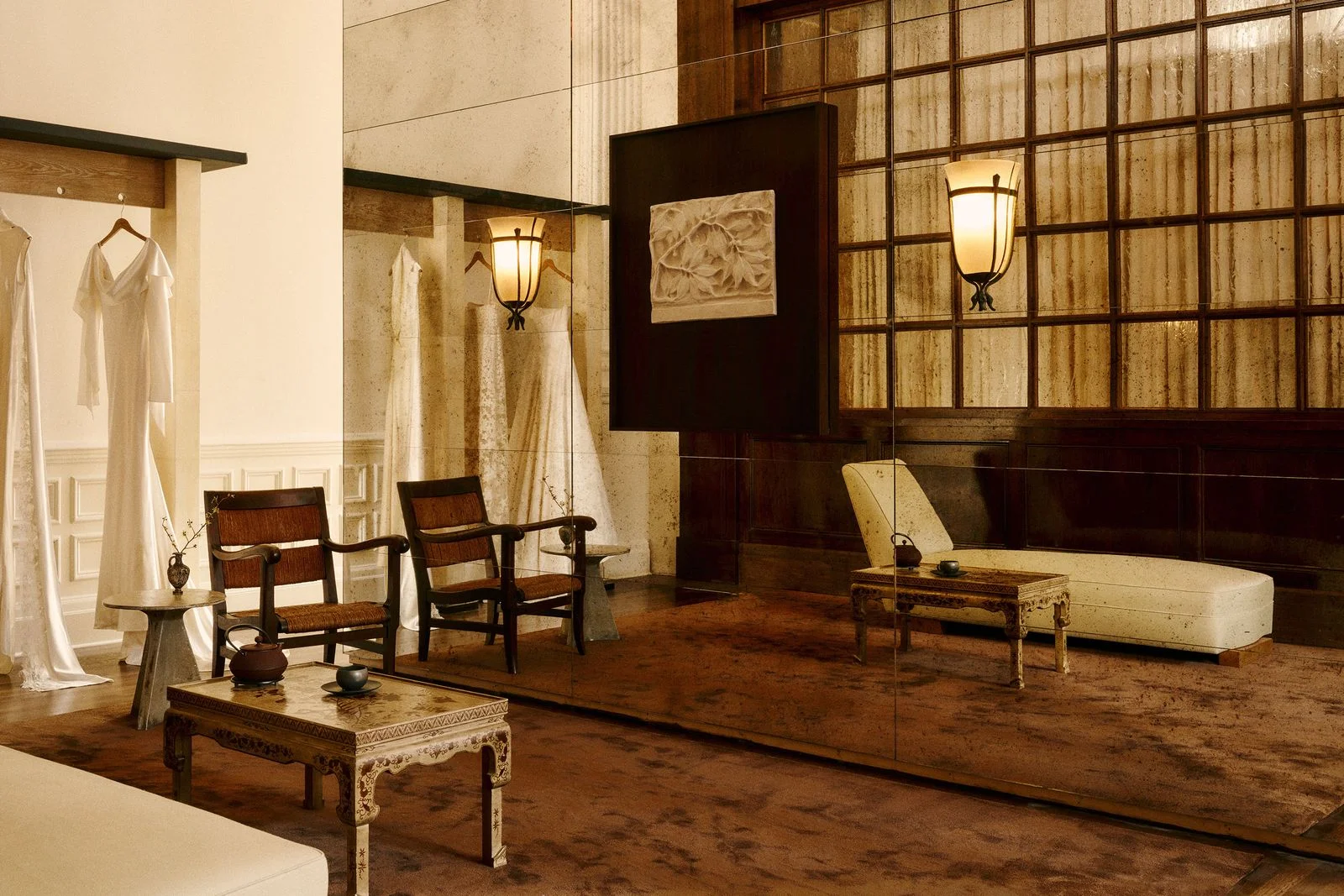
Designing stores people want to visit
The New Rules of Retail Design How can a shop persuade people to leave home and come inside? The creatives behind four of 2026’s buzziest stores share their strategies. —By Margaret BordenRetail works best when the store earns a place in people’s lives
For design brands, a physical shop can do two jobs at once: give customers a way to experience products firsthand and strengthen online sales among nearby shoppers. McGee & Co. used its online sales map to help plan its retail expansion. Syd McGee has called the in-store experience a “truth serum” for merchandise: customers can see and feel what they’re considering. That face-to-face time also lets staff explain how an item is made, introduce customers to the artisans behind it, and show how pieces can work together. Geri Moran, vice president of marketing at ABC Carpet & Home, says those conversations shift attention from price toward value, craftsmanship, longevity, and fit. If a product doesn’t suit someone’s budget, staff can suggest alternatives. Here’s the thing: a store has to offer more than a place to browse. Gelato carts, floral-arranging workshops, holiday caroling, or simply room to gather and work through design problems can make it a local destination. These social, sensory experiences give customers a reason to return—and help brands build long-term loyalty in an era of digital overload. But hospitality only goes so far if the buying experience lets people down. Clear communication and on-time delivery are central to earning trust. Moran says customers who feel good about the product’s quality, the service, and the overall experience are more likely to return. The staff behind that experience need investment, too. At McGee & Co.’s flagship, head of retail operations Evan Hutton says she “overhired” for the initial team. Those “design associates” set the standard for future locations and will serve as brand ambassadors as the business grows. McGee & Co. is also formalizing processes and design guidelines for use across the company. That may be the most consequential lesson here: store design and service can’t be separated. Interior designer Brigette Romanek, whose latest retail project is in Los Angeles, says a store should be a destination people look forward to. Her aim was simple: “I want to make people *feel* something.” For brands opening physical locations in 2026 and beyond, that feeling is part of what customers are being asked to come back for.Explore the AD PRO Video Library for more business insights and behind-the-design access.