Stores have to offer something a search bar can’t
A home retailer can teach you how to style a bed, but a video may teach you just as well—and leave you free to buy the look somewhere cheaper. That’s the uncomfortable part of the in-store experience: inspiration, tutorials, and price comparisons are all within reach on a phone. A bed-styling class might show you how to layer coverlets and quilts, mix patterns, and adapt a room for the season. But if you can learn the same skills online, and find a similar quilt for less elsewhere, why make the trip?
That question sits at the heart of retail loyalty. Customers can leave with a swipe, while furniture brands face the added work of selling expensive pieces that must be made, delivered, assembled, and—most subjectively—feel comfortable. Lovesac’s 2026 social-media controversy, involving viral criticism, delivery problems, and assembly headaches, shows how quickly the buying experience can become part of the product’s reputation. For retailers, a distinctive product still matters. But a lasting customer relationship takes more than a product someone can find elsewhere.
Give people a reason to come in
“It used to be you could just do a bed-styling class or [a class on] how to decorate a mantel, and people would come for that,” says Evan Hutton, head of retail store operations at McGee & Co. and an industry veteran. Online tutorials have changed the appeal of those classes. Hutton says stores now need to add social and sensory draws, such as gelato carts and floral-arranging workshops. McGee & Co. is putting that thinking into practice at its first flagship, which opened in Salt Lake City in September. The store’s opening marks a new step for the brand.
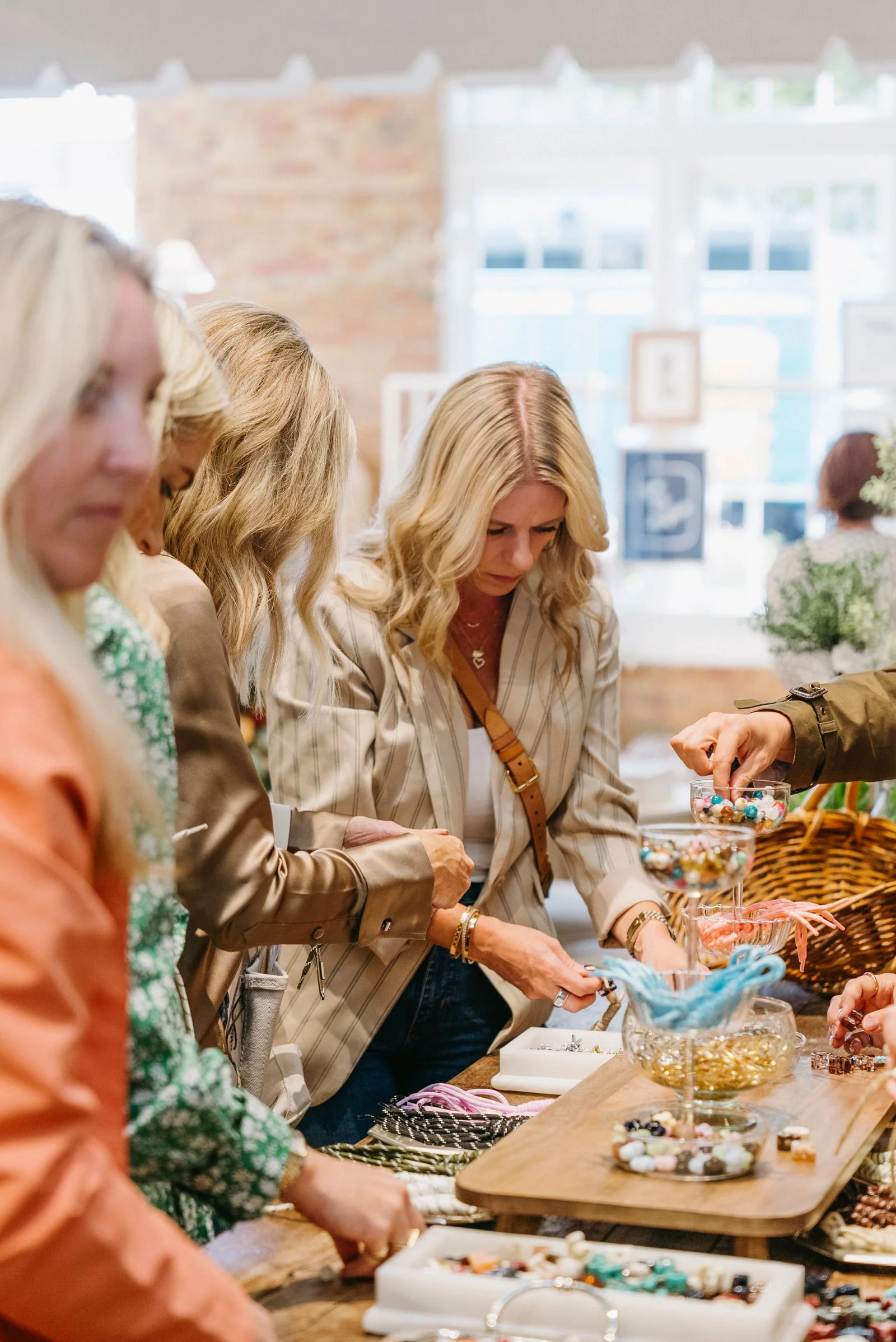
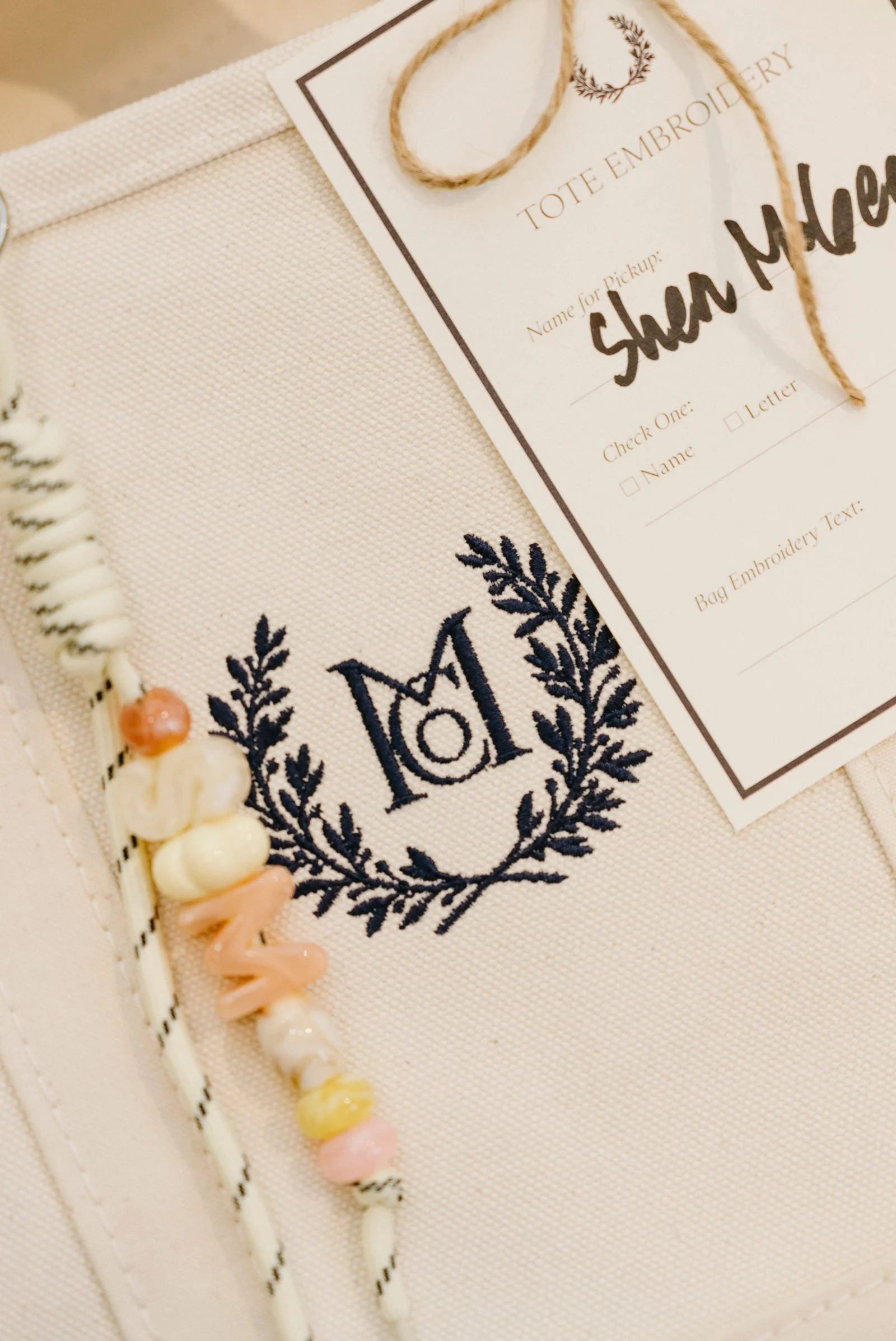
McGee & Co. is also hosting hands-on events, including a keychain-making activity.
Geri Moran, vice president of marketing at New York home retailer ABC Carpet & Home, describes in-store programming as “retail theater.” Its value, she says, lies in bringing “commerce, culture, and discovery” together. An event doesn’t have to produce an immediate sale to be useful: it can introduce new customers, build ties with the design community, and give existing shoppers a reason to return.
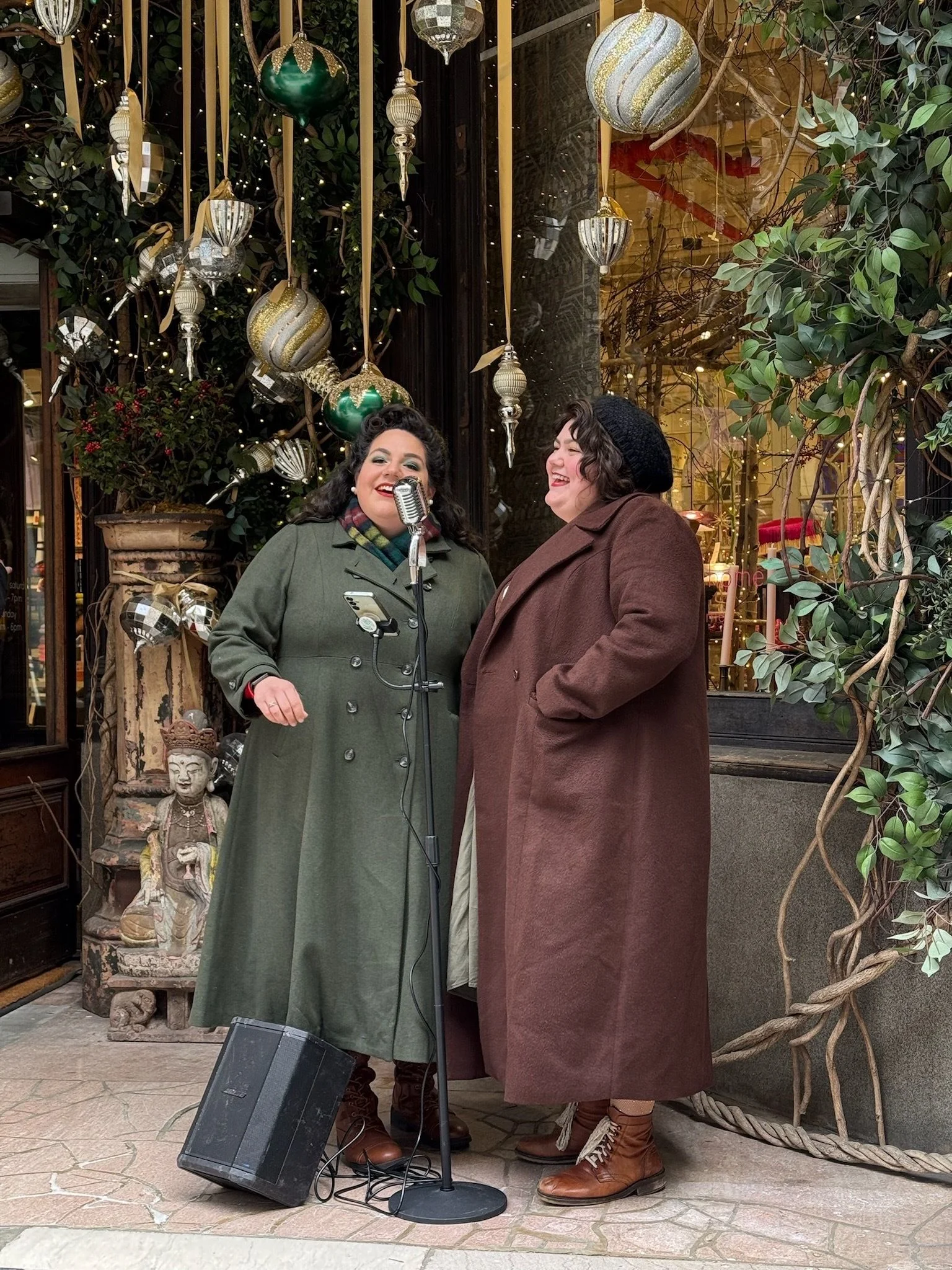
ABC’s holiday carolers make the point. The performance may have little connection to a particular product, but it gives the store a way to make an emotional impression on its community. “The merchandise gives people a reason to shop,” Moran says, “but the experience gives them a reason to visit, connect, and come back.”
Make discovery part of the visit
Events are one draw. A store can also reward customers for exploring in person, through regional details, special merchandise, or work by local makers. McGee & Co. plans to adapt its signature design style to the places where it opens stores. CEO Syd McGee imagines customers finding a different expression of the brand in each city—Texas interpreted differently from California, for instance. You have to visit to see how those distinctions take shape.
The Salt Lake City flagship also carried items available only in the store: gardening gear, Cire Trudon candles, Match pewter, and vintage finds. Someone arriving to see furniture could leave with a gift or an unusual object from the wider McGee & Co. assortment. That kind of mix gives a store more reasons to be visited than a showroom of headline pieces alone.
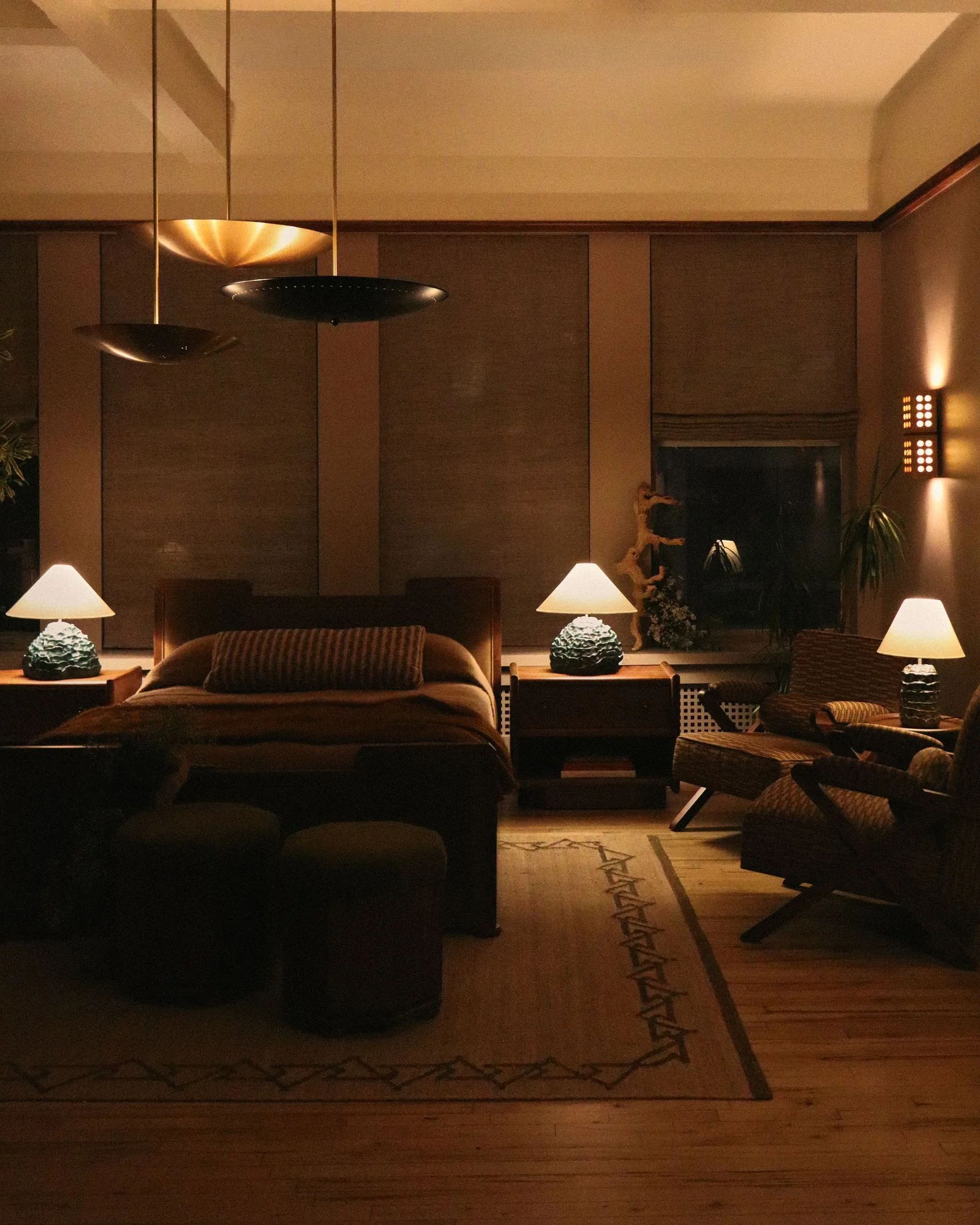
Lawson-Fenning, known for its California-inflected style, combines its own homewares with vintage finds and work from makers its founders admire. “There’s always something they didn’t come in for,” says cofounder Grant Fenning. “Plenty of our longtime clients first walked in without a plan.” Many customers first encounter the brand through a designer, then return to shop on their own a year or two later. The lesson is plain: people may arrive looking for one thing, but a store earns repeat visits by giving them room to find something else.
The same approach helps explain why Il Buco Vita, the lifestyle offshoot of the Il Buco hospitality business, makes about 60 percent of its sales in person despite having a full online shop. Founder Donna Lennard says art, antiques, and decorative objects tend to sell better in the store, while online orders skew toward everyday kitchen and dining goods. “It all comes down to keeping the discovery process interesting,” she says. Each visitor presents “an opportunity to introduce them to something they might not have known they were looking for.”
Staff help make that discovery useful by explaining who made a piece, how to pair it with other items, and how to care for it over time. Il Buco Vita is extending the experience with a new flagship on Bond Street, a few doors from the original restaurant. Lennard says the location “creates a stronger connection between hospitality and home.” It also gives the brand space to show larger pieces, antiques, and collections together, so customers can picture how they might live in their own homes.
Trust Starts Before the Checkout
Nearly every brand interviewed for this piece pointed to trust as the thing that turns a first-time buyer into a repeat customer. That trust starts well before the card gets swiped. Moran puts it bluntly: "The sale isn't truly complete when the customer pays. It's complete when the product has arrived, the customer is happy with it, and the experience makes them want to return." Most retailers measure success at the register. Moran measures it at the front door, and that changes how you staff the floor and how you handle follow-up. Associates do most of the early work. Customers rely on sales staff to explain not just a single piece but how a whole room can come together. That product knowledge also shapes pricing conversations. Picture a shopper testing a sofa, running a hand across several upholstery options, and checking the construction with an associate who can explain why two similar-looking models carry different price tags. "The conversation then becomes less about price and more about value, craftsmanship, longevity, and whether the product is right for the customer," Moran says. "Our team can also help identify alternatives when something isn't the right fit for a customer's budget." Steering someone toward a cheaper option when the premium one won't work is an unusual move on a sales floor. It's also the kind of move customers remember. Job titles matter here too. McGee & Co. made a deliberate choice to call its in-store staff "design associates." Hutton explains the thinking: "When a customer comes in, we don't want it to be, 'Oh, let me take you over to the design concierge.' We want all our team members to be able to start those conversations—and oftentimes finish them too." Passing a customer to a specialist can feel like the conversation is over. The aim is for every associate to be a real participant from start to finish. Training carries the rest of the load. Shea McGee, who briefed many of the first-time flagship associates herself, says product education makes up a large share of that work. Trainees learn to read showroom furniture the way a designer would, then translate that perspective for shoppers. The payoff, she says, is that buyers start to "make that connection between 'designer led' and our brand."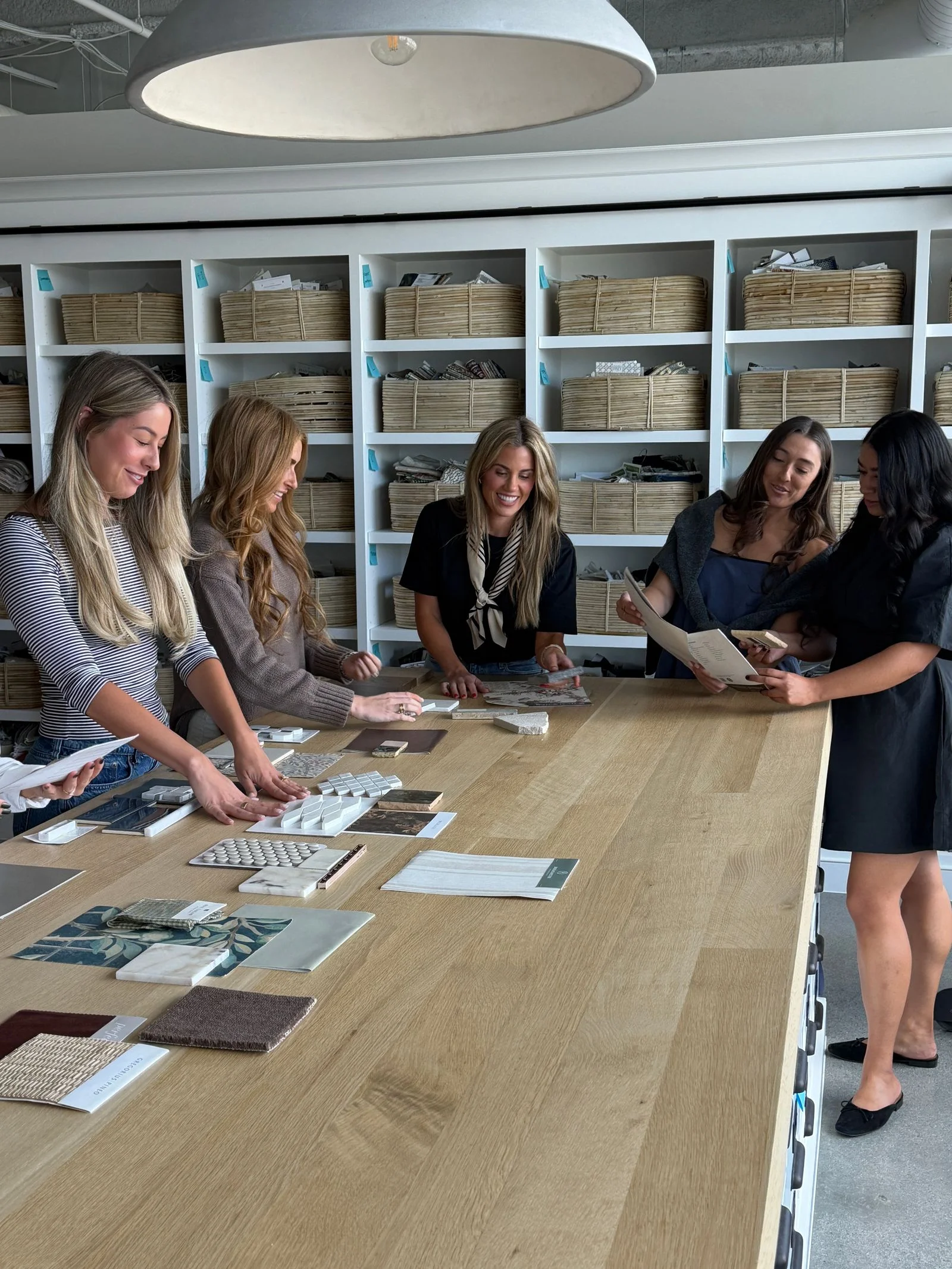 *Studio McGee's senior-level designers host regular check-ins with McGee & Co.'s design associates to help bridge the brand's designer-led vision. Photography courtesy of McGee & Co.*
Trade Relationships Run on Something Else
For trade-focused businesses, the math is different. You're not chasing one sale. You're trying to become the place designers keep coming back to between projects. Tyla Caccese founded the 15-year-old trade-only rug company Tailor-Made Textiles, and her approach is refreshingly practical. Her new 2,000-square-foot showroom in Manhattan was built with one priority: "We wanted it to feel more like a workshop." The centerpiece is a large marble kitchen island where designers can spread out drawings, plug in their laptops, or work through a project over lunch. The idea came from something she saw in her previous shared space. Remote-working designers kept using the showroom as a third place, somewhere that's not quite home and not quite an office. Caccese noticed and built for it. "It's been wonderful to see designers using the showroom almost as an extension of their own studios," she says. The payoff is slow and easy to underrate. Current and prospective customers get to know the brand through repeated, low-pressure contact, and when they have an idea to talk through or a problem to solve, Caccese is who they think of. Not every visitor needs a rug. "I don't want designers to feel like they need a project or a purchase order to come through the door," she says. "Ultimately, what brings designers back isn't necessarily a particular rug. It's knowing they can walk in with an idea, a problem, or a completely unrealistic deadline and have a real conversation about how to make something work." That's the right instinct. A showroom that only opens when there's a purchase order in hand is just a warehouse with better lighting.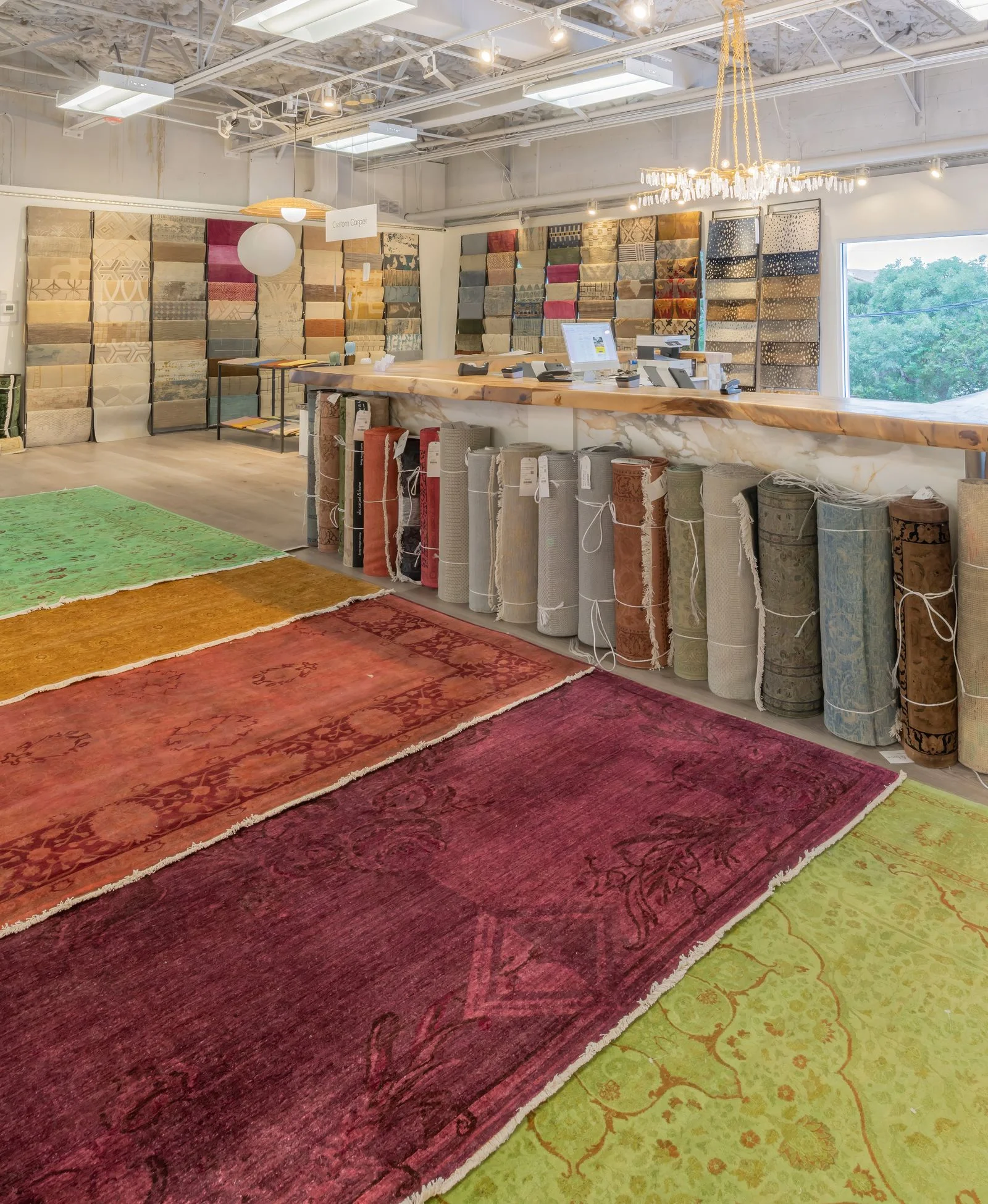 *At the new ABC Carpet & Home store in Boca Raton, Florida, customers can explore the brand's floor coverings in a range of settings, from residential vignettes to more gallery-like arrangements. Photo: Richard Silver*