
More Building Science


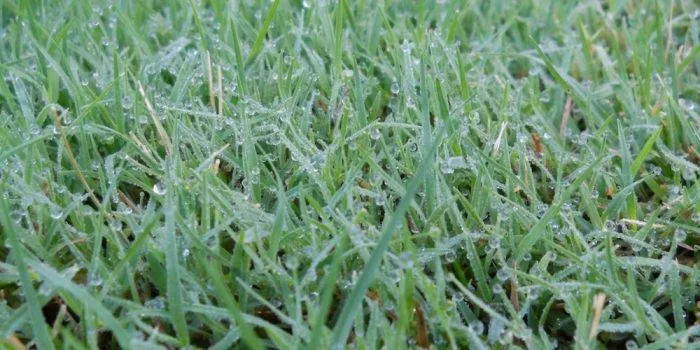
Condensation happens when moist air meets something below the dew point temperature. Cool the grass overnight with lower air temperature and night-sky radiation, and dew forms in the morning—a drop in temperature causes the condensation. Simple enough. But here’s a condensation conundrum: You can raise the temperature and get condensation, too. That’s what happens inside an air compressor tank. Same physics, opposite direction. But how?
The magic of pressure
Moist air is a mixture of two components: (1) dry air (mostly nitrogen and oxygen) and (2) water vapor. The amount of water vapor determines the dew point temperature. More water vapor means higher dew point. When that moist air finds a material at the dew point or below, condensation is the result.
That’s the standard lesson on humidity and condensation. But there’s an assumption built into that lesson: that the pressure is constant (or close). You already know that pressure has another effect on water. Go high up into the mountains and boil some water, and your tea won’t be as hot. The lower air pressure of high elevations reduces the boiling point of water. Likewise, raising the air pressure increases the boiling point, which is why your food cooks more quickly in a pressure cooker.
What’s the connection here? Boiling point is the temperature where liquid water turns to vapor. Dew point is the temperature where water vapor turns to liquid. They’re two sides of the same coin, and pressure moves both of them the same direction: Raise the pressure, and you raise the temperature at which that phase change happens—for boiling and for condensing.
But I’m not talking about the small pressure swings that come with changes in the weather. Barometric pressure changes by a fraction of an inch of mercury from a passing front. That’s nowhere near enough to matter. I’m talking about multiplying the pressure several times over, the way a compressor takes air from 14.7 psi up to 100 psi or more.
Enter the compressor
If you’ve ever used a compressor for nail guns or inflating basketballs, you may have seen the effect of pressure on dew point temperature. The photo below shows what happens when you drain a compressor after using it. If you want your compressor to last, you have to open the valve at the bottom of the tank to drain the water that collected during use. That bit of water on the concrete is from condensation inside the tank. And that was after I had used the compressor for only a few minutes. Use it several hours or all day, and there will be considerably more.
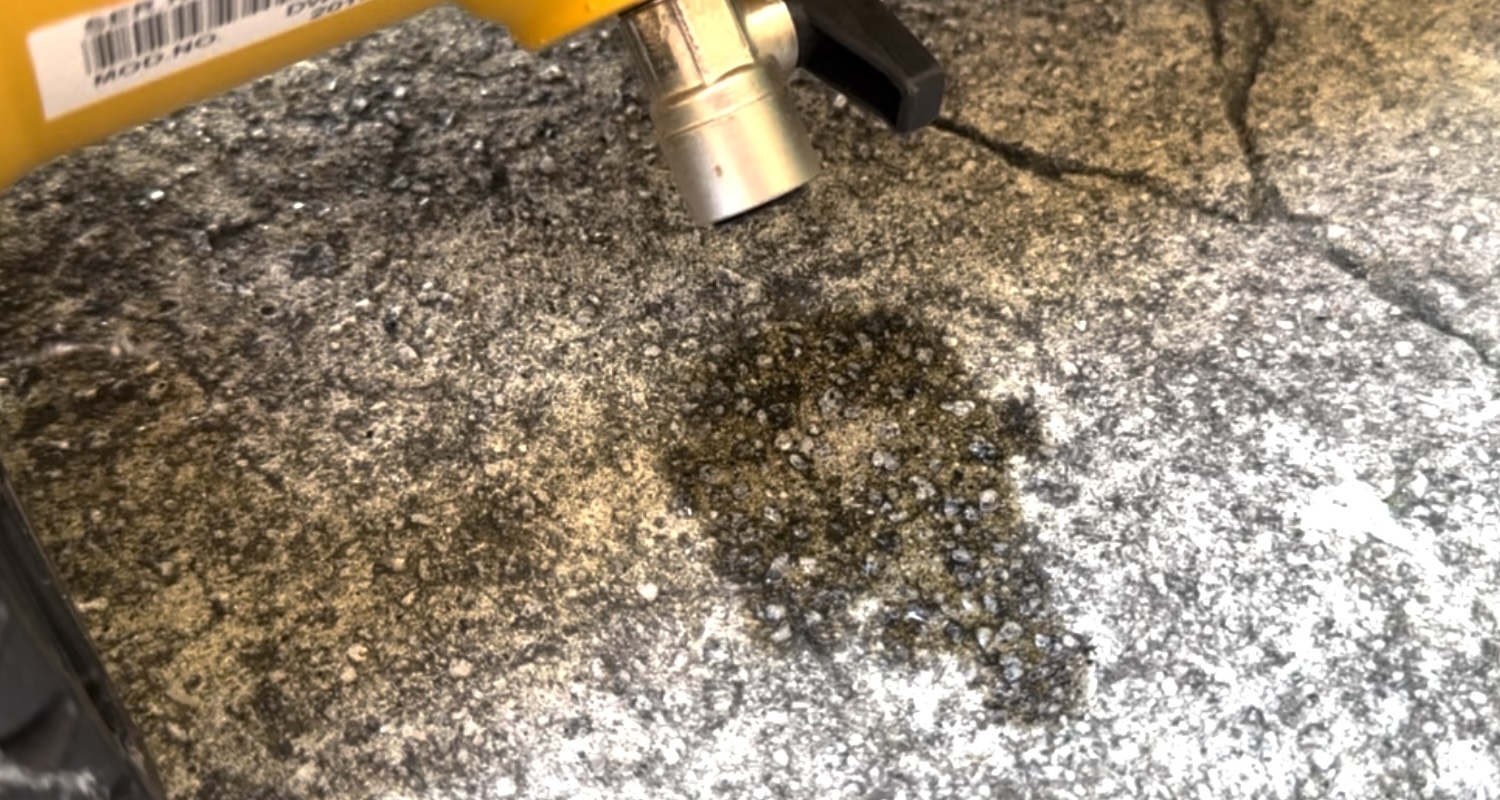
That is the effect of pressure. Raise the pressure and the dew point temperature of water vapor increases, just as the boiling point temperature of water does.
And the fact that I’m talking about this happening in a compressor is important. Yes, you can get condensation when the outdoor temperature is 90°F, but you won’t see that happening just because of changes in the weather. The air pressure inside a compressor tank is five to 10 times higher than atmospheric pressure.
Pressure in the psychrometric chart
If you’ve ever learned how to use the psychrometric chart, you know it’s a complex mess of lines and curves that can tell you how to find dew point if you know two other psychrometric variables. Usually you’d have air temperature (dry bulb) and relative humidity, but there are a bunch of other psychrometric variables too.
Here’s the thing you may not have known, though—or forgotten if you did. When you’re looking at a psychrometric chart, it was made for a specific pressure. If the pressure changes significantly, you need a new chart.
So there’s your answer: Dew forms from a temperature drop at normal pressure; compressor condensation forms from a temperature rise at much higher pressure. Same physics, different lever.
Allison A. Bailes III, PhD is a speaker, writer, building science consultant, and the founder of Energy Vanguard in Decatur, Georgia. He has a doctorate in physics and is the author of a bestselling book on building science. He also writes the Energy Vanguard Blog. For more updates, you can follow Allison on LinkedIn and subscribe to Energy Vanguard’s weekly newsletter and YouTube channel.
Weekly Newsletter
Get building science and energy efficiency advice, plus special offers, in your inbox.