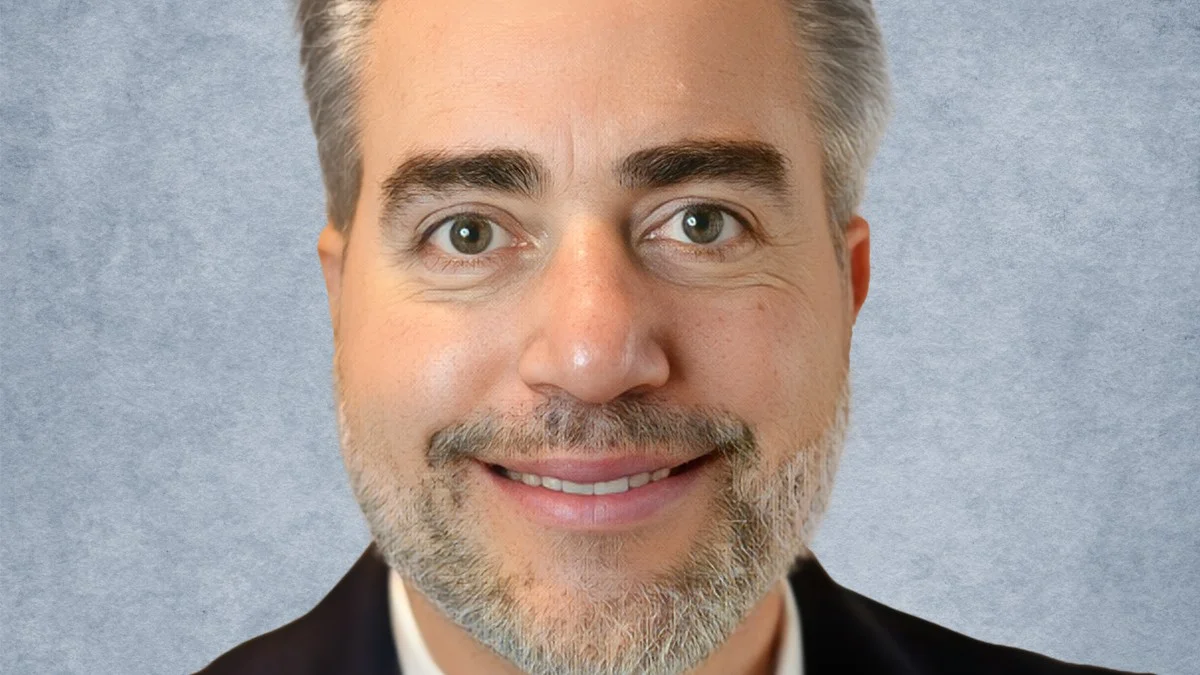
In a pivotal move for the retail real estate sector, industry veteran Michael Puline has joined Marcus & Millichap to spearhead growth in its retail divisions. His extensive background—which includes over 2,500 transactions amounting to $8.5 billion—positions him uniquely to influence the evolution of retail brokerage in an era defined by technological advancements and shifting consumer behaviors. This recruitment echoes a broader trend within the commercial real estate market, where the blend of human insight with technological capability is becoming essential.
Shifting Toward Advanced Brokerage Models
Puline's strategy is bold yet refreshing. He emphasizes that the retail market is at a crossroads, where integration of advanced technology and human intelligence will redefine brokerage practices. By leveraging the rich data ecosystem that Marcus & Millichap and its Institutional Property Advisors (IPA) division possess, Puline aims to transcend traditional real estate practices. His approach involves a comprehensive understanding of clients’ operational and strategic needs rather than merely focusing on the transactional side.
The conversation opens up important questions about the nature of modern brokerage. Historically, brokers operated on a transactional basis, but Puline suggests that future success will hinge on providing deeper insights into operational challenges and long-term strategies that clients face. This perspective, drawn from years on the ownership side of the business, allows for a nuanced approach to retail real estate that few firms currently adopt.
The Rise of Retail as an Asset Class
The last decade saw capital flow away from retail towards other asset classes, particularly industrial, which benefitted from the e-commerce boom. However, Puline’s insights reveal a surprising shift: retailers are not only resilient but are thriving as they adapt to consumer demand for physical retail spaces. This resurgence is characterized by strong fundamentals across various retail formats, with a notable uptick in investment demand from diverse sources, including private capital and institutions.
Puline specifically highlights grocery-anchored properties and net lease assets as current strongholds, attributing this to the increasing preference for proximity to consumer services. Retail has evolved, and modern business models have embraced the necessity of a last-mile presence, fueling demand for small shop spaces and unanchored strips. The investor appetite is evident, fueling rental income growth and closing the bid-ask gap, particularly for properties that meet high-quality performance benchmarks.
Vacancy Rates and Retailer Dynamics
Interestingly, the retail market benefits from historically low vacancy rates that are not being met with sufficient new supply. In this context, tenants are adjusting their expectations, becoming more amenable to higher rental rates spurred by improved sales margins. This shift signals not just a rebound but a strategic repositioning of retailers who are now exploring innovative formats and locations to seize market opportunities.
Puline notes a transformative trend among national tenants, who are increasingly flexible with their operational footprints. Retailers are breaking from traditional size constraints, with larger brands experimenting with smaller formats. This realization represents a tactical shift that owners should capitalize on, particularly as the pursuit of prime locations intensifies. The willingness of tenants to negotiate more favorable lease terms further underscores the evolving dynamics of retail real estate.
Preparing for the Future of Retail Real Estate
When looking ahead, Puline envisions a team capable of not only participating in but leading retail advisory insights. The goal is for Marcus & Millichap and IPA to become the definitive retail experts, offering a deep understanding of market shifts and client-specific strategies. A critical aspect of this evolution is the effective integration of technology with expert human insight, a necessity many firms have yet to fully embrace. Puline argues that as the retail environment changes rapidly, those firms that fail to adapt—particularly in their tech applications—risk obsolescence.
This dialogue signals a crucial moment for stakeholders across the retail real estate space. Owners and investors should closely analyze market conditions, tenant behavior, and emerging trends to harness potential opportunities. As Puline's approach illustrates, the future of retail brokerage lies in the nuanced understanding and application of market intelligence, underscoring the need for a more strategic framework in an increasingly complex landscape.
In conclusion, Michael Puline's entry into Marcus & Millichap is a clear indication of the evolution underway in retail real estate. As technology and human insight converge, industry professionals must stay ahead of developing trends to effectively navigate the retail market’s transformation. The retail sector's resurgence is not just about recovery; it’s about rethinking market strategies with a forward-looking mindset.