How to Grow Tomatoes: Our Guide to Help Your Vegetable Garden Thrive This Summer

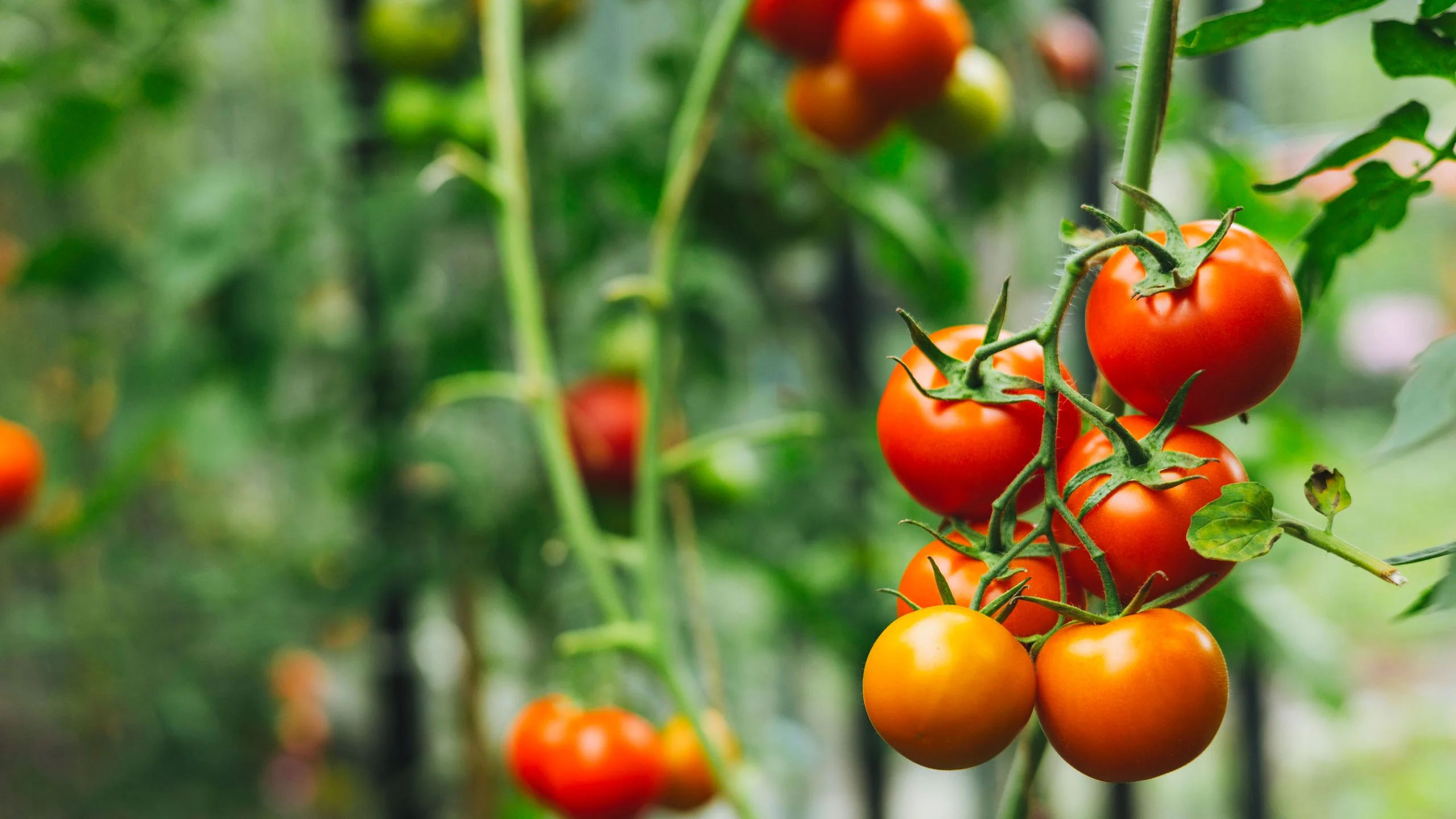
A BLT tastes even better when the T is fresh, and you can’t beat the freshness of food straight from a home garden—if you know how to grow tomatoes. Yes, these red, yellow, orange, and sometimes multicolored beauties thrive in raised beds and greenhouses, but you can easily grow them in a container on a patio. Get ready for the real Tomato Girl Summer.
The number of tomato varieties can be overwhelming, but you it’s hard to go wrong. Amy Pallenberg, landscape designer and owner of Harvest Garden in Nantucket, Massachusetts, recommends home gardeners opt for a good cherry tomato, like Sungold, a sweet, bite-size option. Or you could branch out with heirloom varieties such as Cherokee Purple or Brandywine, which are legacy plants with unusual flavors and shapes.
Read on for our simple rundown on how to grow tomatoes—even if you don’t think you’re cut out to be a farmer. Don’t be surprised if your harvest leads you to a new canning hobby.
How to grow tomatoes
Tomatoes are separated into two different categories: determinate and indeterminate. “Determinate varieties produce their fruits on the growing tips, causing the branch to stop production once the fruit has set,” says Bruce J. Black, horticulture educator at the University of Illinois Extension in Sterling, Illinois. These include Roma, the Mountain series, and Cherry Gold. All are common for container gardening or small spaces (we’re looking at you, Brooklyn balcony) because you probably don’t need to use a trellis or stalk. Indeterminate tomatoes, the traditional vining plants, grow all season and produce fruit on side branches. “These are often larger plants that require more space and some type of trellising system,” Black explains.

Gardeners who start tomatoes from seed need to do so in early spring by placing seeds into small containers, which are kept inside until they sprout. “When starting from seed indoors or outdoors, it’s important to have good soil temperature—at least 70 degrees—to germinate tomatoes, and to use a clean container with germination mix instead of garden soil,” says Pallenberg. Leave the potting mix out of this.
Alternatively, you can buy a small potted tomato plant from a nursery or garden center. These are approximately four to eight weeks old and can be placed directly into your garden. “An established plant will start blooming quickly and offer fruits earlier,” says Pallenberg. You can seed directly into the ground, but the soil needs to be warm, and the harvest will be later in the summer.
Your tomato seed container should have drainage holes, or you can use a cardboard egg crate. Plant the seeds about ¼-inch deep, and water regularly once the seeds germinate. “Allow them to dry out in between watering for building a resilient plant,” Pallenberg adds.
Once the weather is warm and there is no threat of frost, replant your seedlings outside in soil, a raised bed, or a large pot. Find a spot that offers full sun for at least six to eight hours. Be careful not to overcrowd your plants; it’s good practice to have plant spacing of 24 to 36 inches to create proper air circulation, which can minimize disease. “The key to planting a tomato is to pinch off the lower foliage that is close to the bottom of the plant, and to bury the plant deeper than normal. Plant six inches deeper so the stem is buried a bit,” Pallenberg says. “Doing this doubles the root mass to make a strong, faster-growing plant.
“The smell of basil, alliums, and marigolds acts as a deterrent to insects, and the flowers will help with pollination,” Pallenberg says. Pro tip: To distract aphids from your delicious tomatoes, plant nasturtiums close by so the pests go there instead.
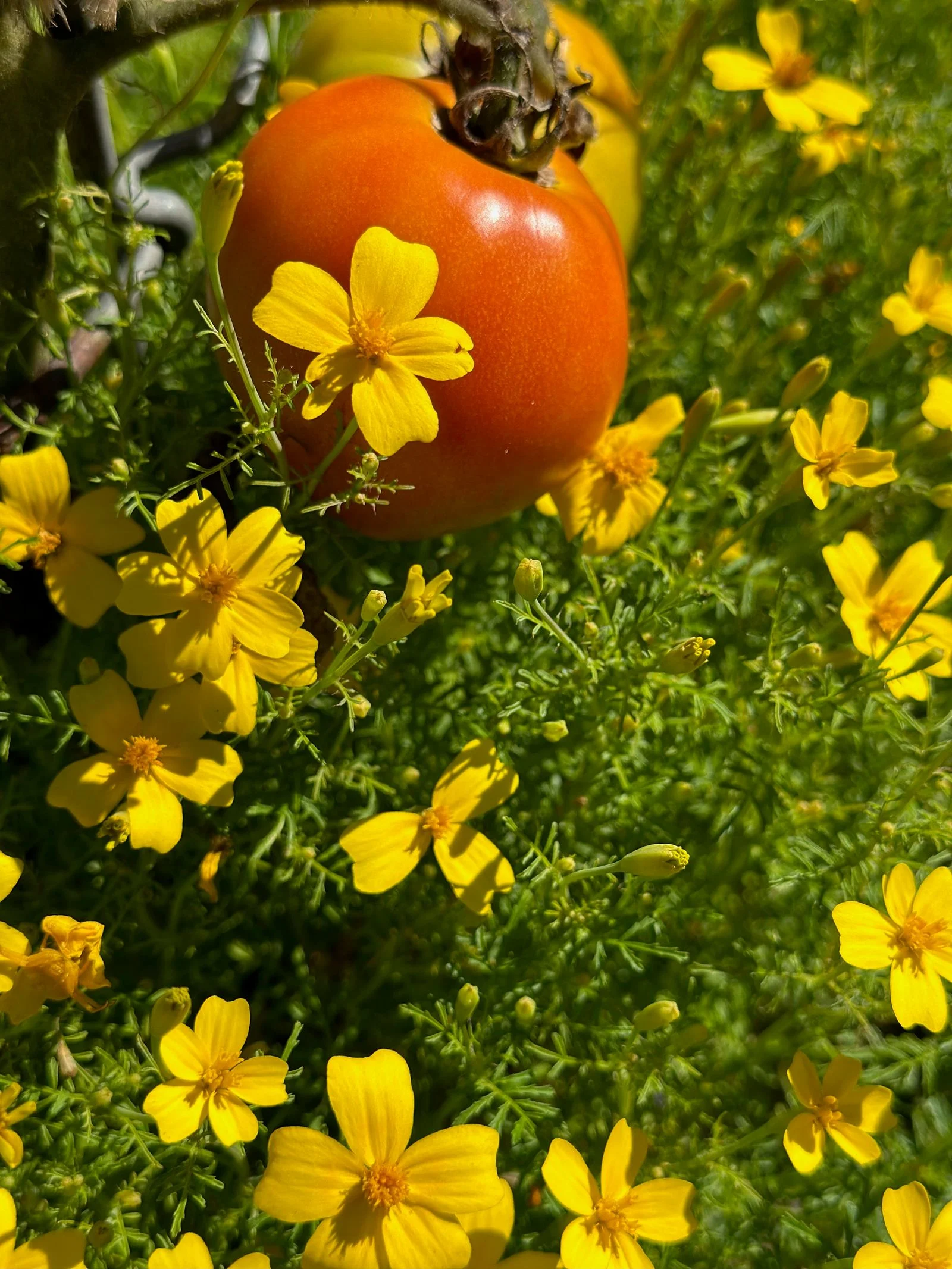
Tomatoes can grow on a vine (indeterminate tomatoes) or as a bush (determinate tomato). Regardless of what variety you choose, the plant needs support. “All tomatoes need to be staked, but especially the indeterminate,” Pallenberg says, who recommends Texas tomato cages that can support big plants. In a pinch, wooden stakes and twine will do the trick.
How to care for tomatoes
Vining tomatoes, in particular, can get heavy. As they grow, you want to prune the small branches off of the main stems. Those are called suckers. If left alone, they can grow into the main branch and weigh down the tomato plant. “Thin the suckers just a little bit once the plants are loaded with flowers and fruiting,” Pallenberg advises.
Whether or not you need to fertilize depends on the soil. “Basic soil is great for tomatoes; it doesn’t need to be overloaded with compost or fertilizer unless you are starting with a sandy loam,” says Pallenberg. Do a test to determine the soil pH, which should be around 6.2 to 6.8, according to University of Georgia research. In general, don’t go crazy with fertilizer. “Tomatoes are heavy feeders, but be mindful of applying too much nitrogen,” says Black. “Excessive nitrogen promotes vegetative growth over flowering and fruiting.”
Black suggests a starter fertilizer with low amounts of nutrients. The nitrogen-phosphorus-potassium ratio (often referred to as N-P-K) should be under 10. You can also add finely ground eggshells for calcium, which help prevent blossom-end rot.
Watering needs depend on the environment and the container. Raised beds will need less frequent watering than containers, which dry out faster. Plan on deep watering two to three times a week. Each plant should get one to two gallons of water, but more if you’re in a climate that is extremely dry. If you spot leathery brown rot on the blossom end of the fruit, that’s blossom-end rot. “It is caused by the combination of a localized calcium deficiency in the developing fruit and wide fluctuations of soil moisture,” Black says. “The problem is especially bad in hot weather.” Adding mulch can help retain moisture.
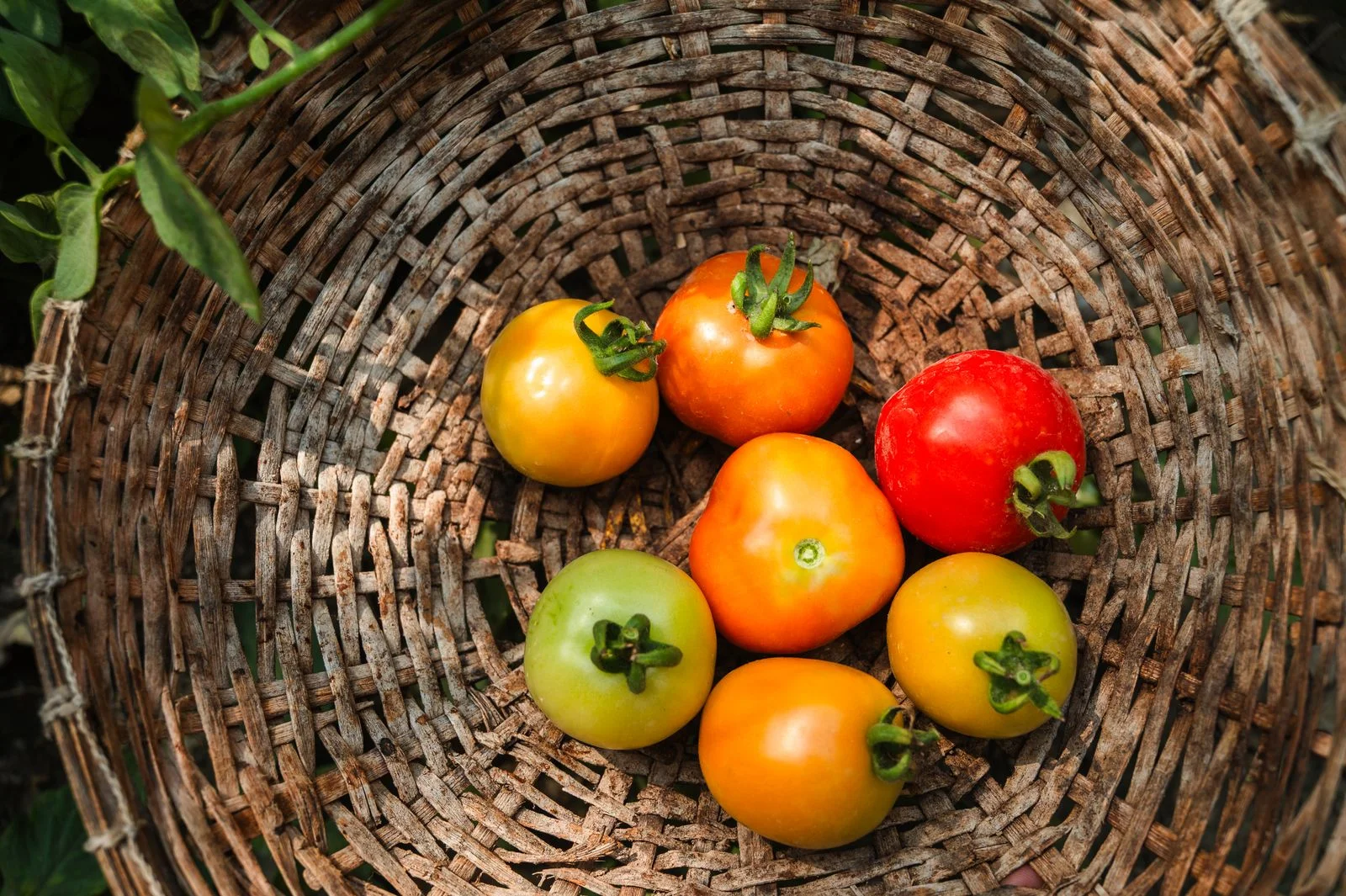
Harvesting depends on variety and climate. It can start early in the summer or as late as September. In general, it will be approximately 60 to 100 days to maturity. Look for firm and fully colored fruit. “Tomatoes are at their highest quality when they ripen on healthy vines during daily average temperatures of 75 degrees Fahrenheit,” says Black. “As the summer gets hotter, tomatoes will soften and degrade more quickly, so make sure to visit the garden daily to pick.” If you accidentally pick immature fruit, allow it to ripen indoors on your counter.
Frequently asked questions
Watering too much or inconsistent watering (or rain) can cause tomatoes to crack. Pallenberg advises creating a watering schedule that suits your tomato variety, climate, and soil type. You can add mulch to help retain moisture. If you notice splitting, it might make more sense to harvest earlier and wait for the tomatoes to ripen on your windowsill.
Watch out for the tomato hornworms, which are green caterpillars with white stripes and a horn at the top of the rear that can grow up to three inches. These pests feed on the leaves and the fruit, and they can munch up the entire plant if they get out of hand. Since they camouflage into the foliage, Black suggests scouting for them at night with a handheld blacklight. When the blacklight shines on a tomato hornworm, it glows in the dark—but “if you see hornworms with small, white cocoons protruding, leave them alone,” Black says. “These structures are the pupae of parasitic insects that help control the hornworm population, and the individual wearing them is already doomed.”