Unraveling La Sagrada Familia
When discussing architectural wonders, few evoke admiration like La Sagrada Familia. This breathtaking church in Barcelona, designed by Antoni Gaudí, isn't just an architectural marvel; it's an ever-evolving testament to creativity and dedication. But let's get real: the label "unique" gets thrown around too liberally in today's discourse — and yet, La Sagrada Familia undeniably earns that distinction. Since construction began in 1882, this ambitious project has been a work in progress, capturing the imagination of visitors while simultaneously inviting critique. It's no small feat that on June 10, 2026, Pope Leo XIV will visit this iconic site to celebrate its latest milestone — the completion of the central Tower of Jesus Christ, a landmark that will solidify La Sagrada Família as the tallest church in the world. Here's the thing: while construction continues to draw crowds and acclaim, the journey toward completion reflects both Gaudí's genius and centuries of collaborative effort. Over the years, architects and builders from countless generations have lent their talents to the endeavor, creating a structure that has both inspired awe and sparked questions about artistic vision versus practicality. La Sagrada Familia has been compared to everything from a fantastical vision of the future to a "spiritual symbol carved in stone." The church’s towering spires and intricate details invite scrutiny and admiration alike — it's no wonder that this design has been both a source of fascination and a topic of contention. Expect visitors to flock in droves, especially with the Pope's scheduled blessing of the completed tower. If you're keen on architecture or simply intrigued by the narratives that shape our monumental spaces, the significance of La Sagrada Familia is immense. What does it represent for those who encounter its majesty in person? That question is something we explored with some of the field's foremost architects. Their insights reveal not just the impact of Gaudí's vision on architecture but also how it invites engagement and stimulates discourse. Let’s not forget: this isn't just about visual appeal. Underneath the surface, there’s a rich tapestry of history and collaboration. The edifice’s continued construction is a reminder of the challenges and triumphs inherent in such grand undertakings. Gaudí’s vision is fulfilled bit by bit, reflecting both the aspiration of a single artist and the collective ambition of many.Gaudí envisioned La Sagrada Familia adorned with vibrant colors that would reflect the splendor of nature, yet much of this bold concept remains unrealized in the church’s final appearance. Architect Daniel Whitmoyer notes, "Gaudí's idea was to incorporate striking colors through elements like mosaics and painted tower sections, which would have brought the façades to life." This missing element of color offers a significance that's easy to overlook. Gaudí was aware he likely wouldn't see the completed project, yet his untimely death in 1926, at the age of 73 after a tragic streetcar accident on his way to confession, cut short his contributions. At that time, only about a quarter of the church had been constructed. He was laid to rest in the church's crypt, entombed beneath the chapel of the Virgen del Carmen. Following his passing, his disciple took over the project, determined to fulfill Gaudí's grand vision and complete the church according to its original blueprint.
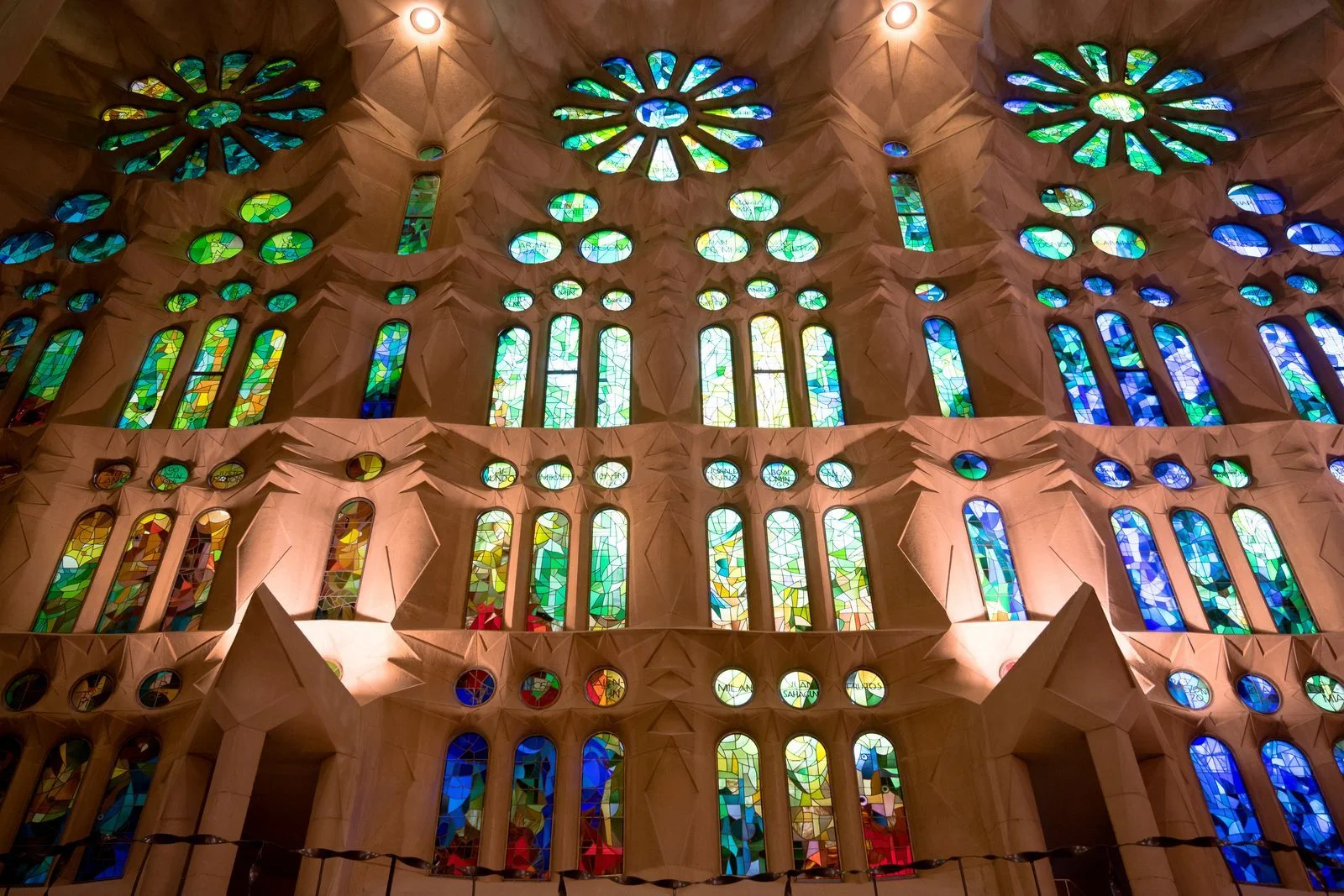
Fast forward to recent years, and technological advancements like computer modeling have sped up construction significantly. While the primary structural exterior was finalized earlier this year, intricate decorative elements and a highly contested main staircase—which could require the demolition of several city blocks and affect numerous residents—won't see completion until at least 2034. In a historical context, Gaudí's work remained largely unappreciated for decades after his death, but figures like Salvador Dalí helped rekindle interest in his genius in the mid-20th century. Now, contemporary architects not only celebrate La Sagrada Familia as a quintessential masterpiece of modernism, but they also recognize Gaudí as a visionary. His work has transformed La Sagrada Familia into a defining emblem of Barcelona. Rogove underscores this by stating, "He consistently reinterpreted past styles, especially Gothic and Moorish architecture, seeing them as sources of inspiration rather than models to mimic. His affinity for nature and his profound understanding of structural engineering led him to innovate in ways that were unprecedented."