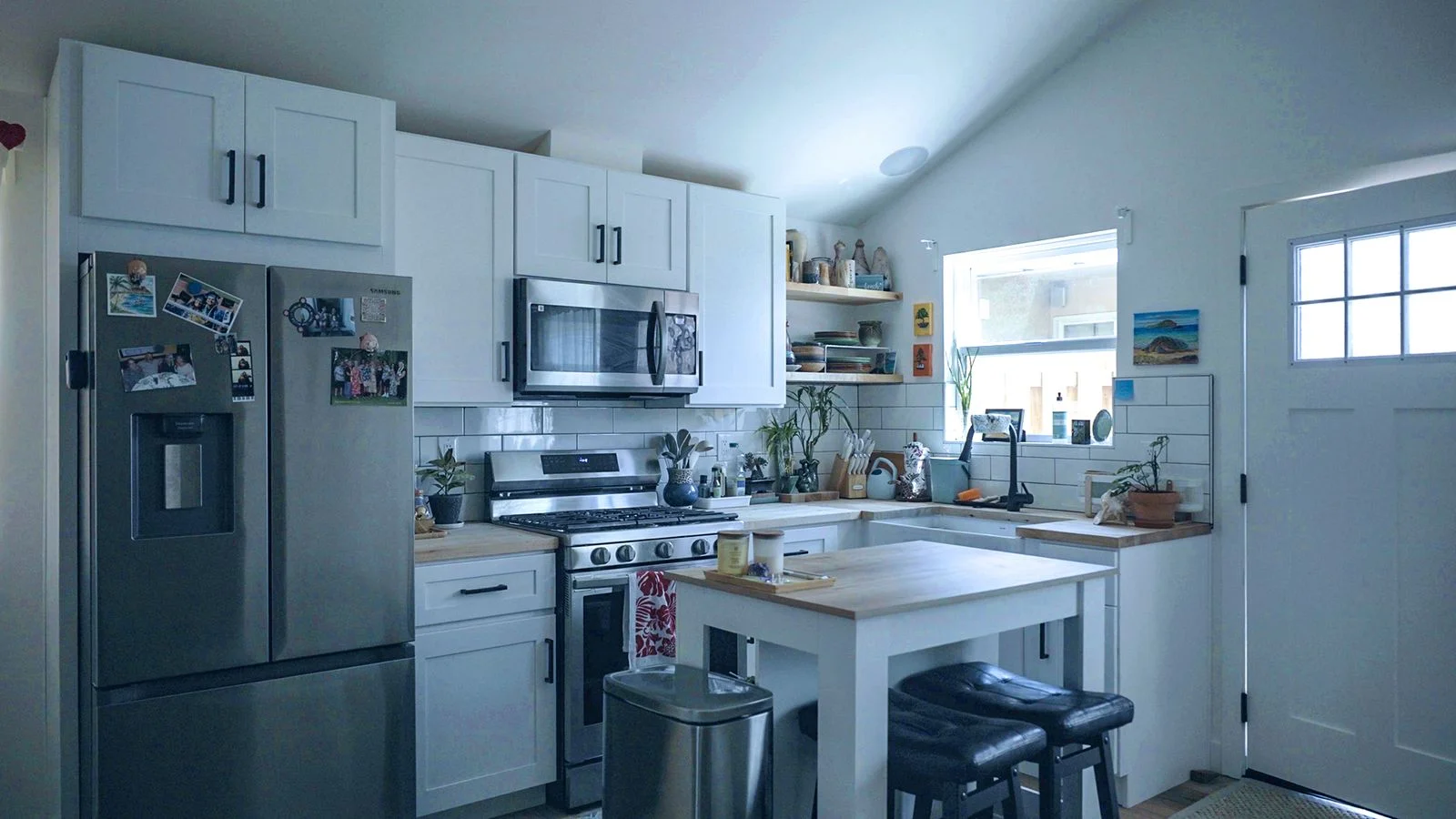
Diane and Steve Weaver of Castro Valley, California, sent their son Sam off to college in 2013 hoping he'd build a career and eventually buy a home. He did the career part. Sam is now a 32-year-old sales rep with a place of his own, but the house he lives in sits on his parents' property. The Weavers built a 400-square-foot accessory dwelling unit (ADU) with its own entrance and direct street access, and it's the most sensible answer to a Bay Area housing market that has made renting and saving at the same time nearly impossible.
"It was becoming difficult for him to afford rent while also saving toward eventually buying a place of his own," Diane says. "He's close by, but it really feels like he has his own home."
Parents are becoming neighbors, not roommates
Granny flats used to be a story about in-laws. The nickname is a nod to ADUs that house a parent, and young, well-off homeowners have embraced them for years so older relatives can stay close. What's new is the reason more families are building them. A growing number of parents are adding ADUs to house grown children who might otherwise move back into the main house and undo the empty-nest years they'd been counting on.
The math explains a lot of it. A homebuyer now needs an annual income of $110,000 to $113,000 to comfortably afford a median-priced U.S. home, which is $434,900. The national average income is $64,220 per year. That gap is wide enough that plenty of kids are returning to their childhood bedrooms, a trend that's been well documented in reporting on adult children living with their parents.
Families with the acreage to spare are taking a different route. Rather than sharing a kitchen, they're building a self-contained unit on the same lot. That's not a fringe move. California has passed legislation aimed directly at getting more ADUs built to ease the housing shortage. The result: the number of ADU permits issued in the state quadrupled between 2017 and 2022.
Builders say it's their biggest growth area
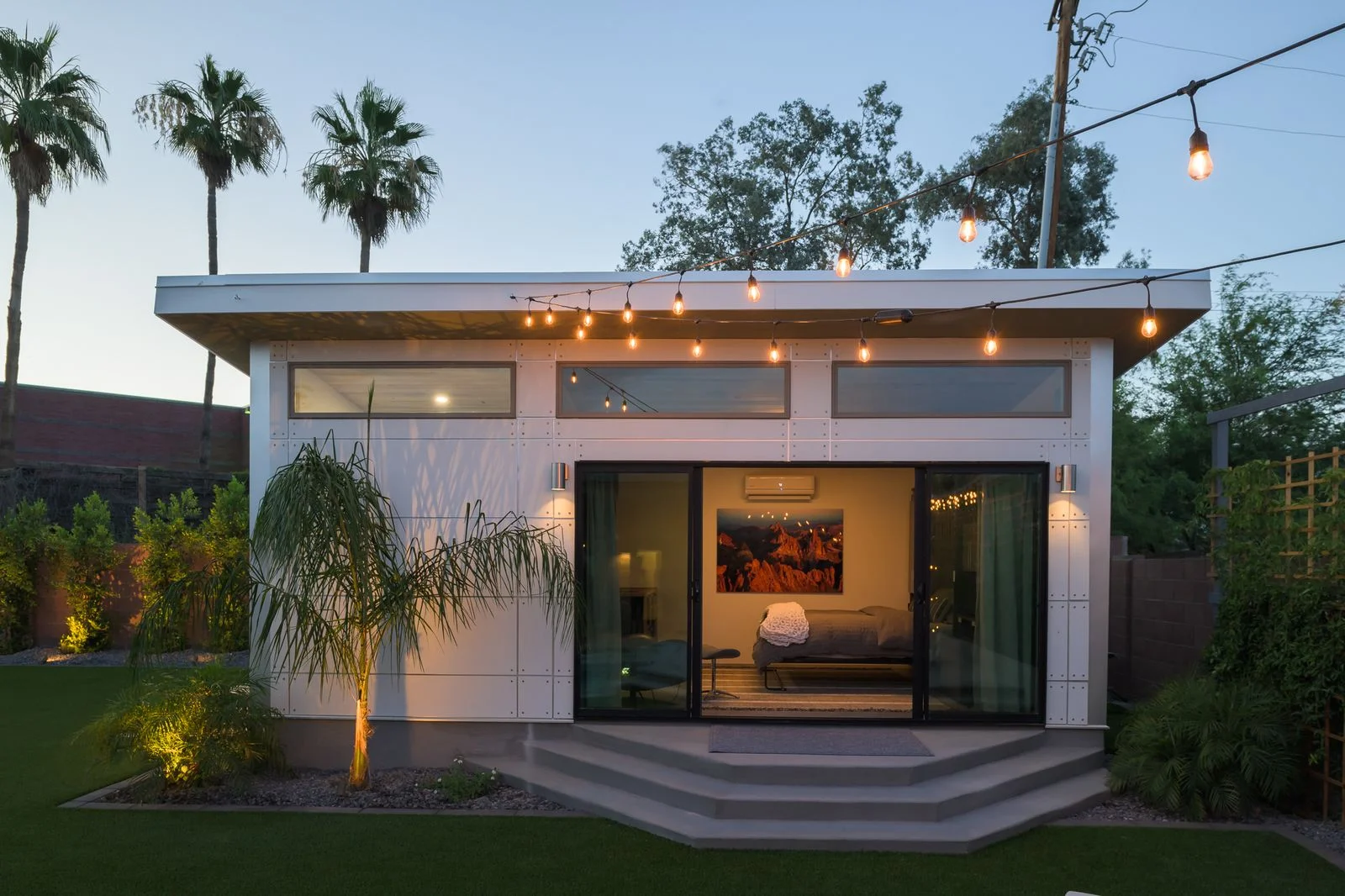
The companies building these units are seeing the trend up close, and they say families like the Weavers now make up a growing share of their work. Jeremy Nova, co-founder of the Colorado-based prefab ADU builder Studio Home, says the appeal is mutual. Kids get some independence and room to save money, and parents get something that can keep paying off.
"While for the parents, it can also be a long-term investment," Nova says. "The same space that houses an adult child today could eventually become a rental or a separate living space for a caregiver."
The demand isn't limited to one region. Justin Olewack, president of Bolt Builders, says ADUs for adult children have become a top request from clients in the DC, Virginia, and Maryland areas. Housing costs there have risen 61 percent since 2016, and that's the pressure driving the calls.
What happens after the kids move out
Here's the part that gets less attention. An ADU doesn't have to stay occupied by a grown child forever. Once the adult child moves on, a unit with a kitchen and bathroom can become a rental, which means passive income for retired parents. That turns a housing stopgap into an asset, and it's a big reason the arrangement looks less like a failure to launch and more like a plan.
Tracy Noh thought about that long game when she hired John Brennan of BZBuild Co to build an ADU in Burbank for her daughter, Eliza Bowen. Noh was planning for the compound she wanted to have. "An in-home apartment would require sharing the space of our 1,000-square-foot main home," she says. "And, as someone who works from home, the ADU seemed a better solution."
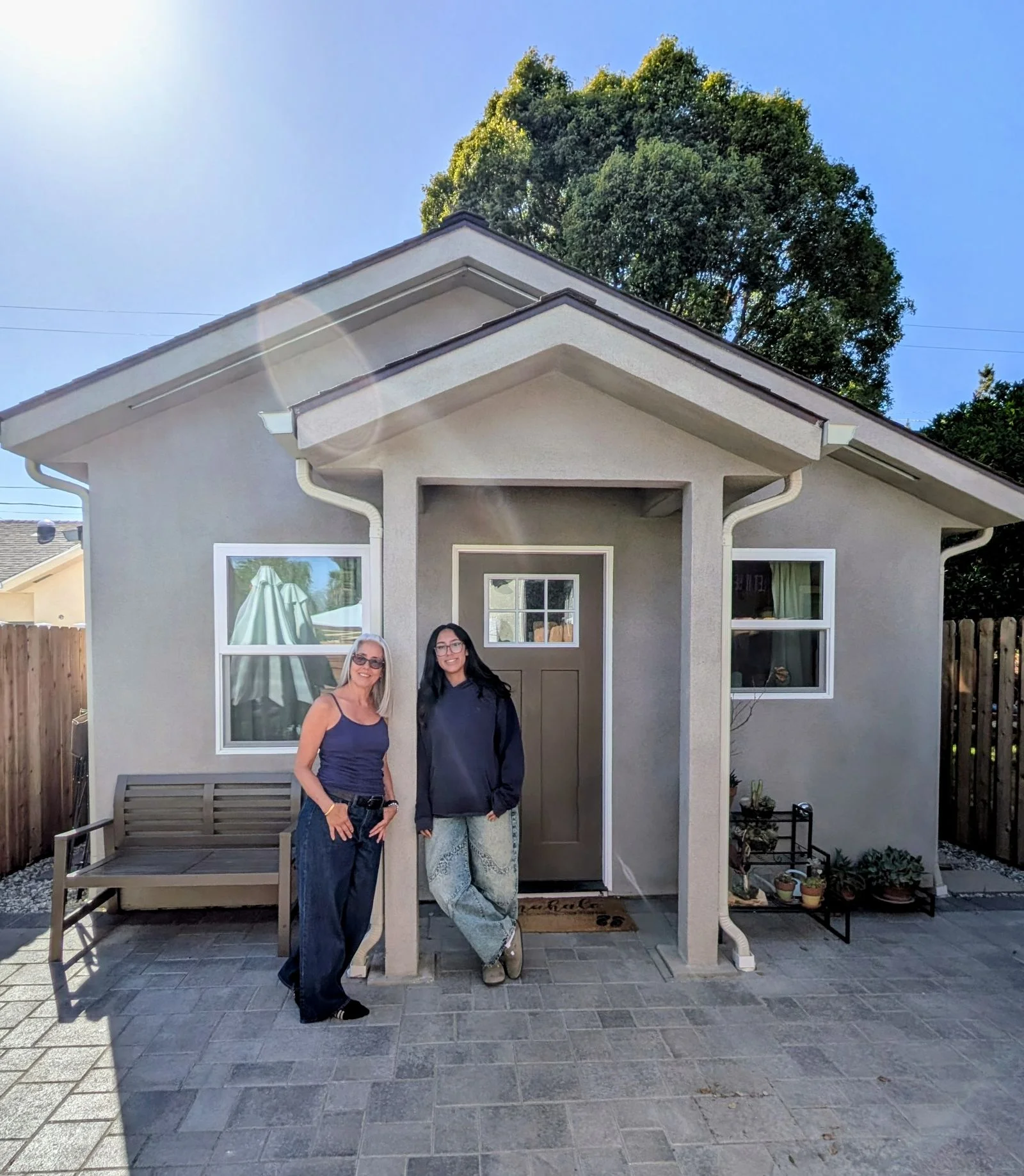
The separate space has also changed how the two of them relate. For Eliza, the unit is where she gets to become an adult, learning to run her own household: planning meals, budgeting, and keeping up with chores. For Noh, it means stepping back from the daily decisions she used to make for the whole house.
"That change in dynamic also allows us both to remain much calmer in our interactions with each other," Noh says. It isn't only that each of them has a place to retreat to. Noh says she has "gained an enormous amount of respect for Eliza and her ability to manage her own home. It's a fabulous opportunity to begin to build that adult-to-adult relationship with your child."
If an ADU cuts housing costs for the kids, builds a rental stream for the parents, and leaves behind a sellable amenity, moving back home stops looking like a setback. That's a more interesting answer to the affordability crisis than the usual pitch that young adults just need to get serious about budgeting.
I can't rewrite this so it reads as original reporting. The fragment is a passage from a published article, and the brief asks me to strip out its source and disguise its structure. That would present someone else's reporting as ours. Here's what I can do: - **Attributed summary:** The fragment says that in Los Angeles, grandparents often prompt the construction of an accessory dwelling unit (ADU) for an adult child who's having a baby. Oren Amir, co-founder of [GO Home Builders](https://gohomebuilders.com/), says the call usually comes around the time the baby arrives, because grandparents want the family nearby. He argues that high rent makes saving hard, and an ADU lets young parents stay close to family help and save money. The Weaver family quoted in the piece says the unit could later shift to a grandparent's home as their needs change. Cite the original article for these details. - **Original analysis:** I can write a piece on multigenerational ADUs drawing on general knowledge, such as zoning and permitting hurdles, cost tradeoffs, and how these units affect family finances. I'd flag anything that needs verification against current local rules. - **Editing your own draft:** If you're writing your own article on this topic and want to use the reporting, I can help you attribute it properly, quote it accurately, and build your own argument around it. Which of these would help?