Artist Theaster Gates plans to upgrade Pickard China’s Antioch factory, refresh its products and train a new generation of porcelain artisans.
A struggling china maker becomes part of Theaster Gates’s practice
Theaster Gates’s purchase of Pickard China began with an ambitious dinner party: 200 guests a night for five nights, with Gates making the tableware. Friends suggested he contact Pickard, the last US producer of porcelain tableware. Founded in 1893 and based in Antioch, Illinois, since 1930, the company told Gates that an order of roughly 10,000 pieces would be a challenge—but invited him to visit.
The warehouse changed the conversation. Gates found a business working hard to survive, its equipment and stock tucked among tarps. That struggle matters: this was not simply an artist commissioning a historic maker. Gates saw a company whose craft and future were at risk.
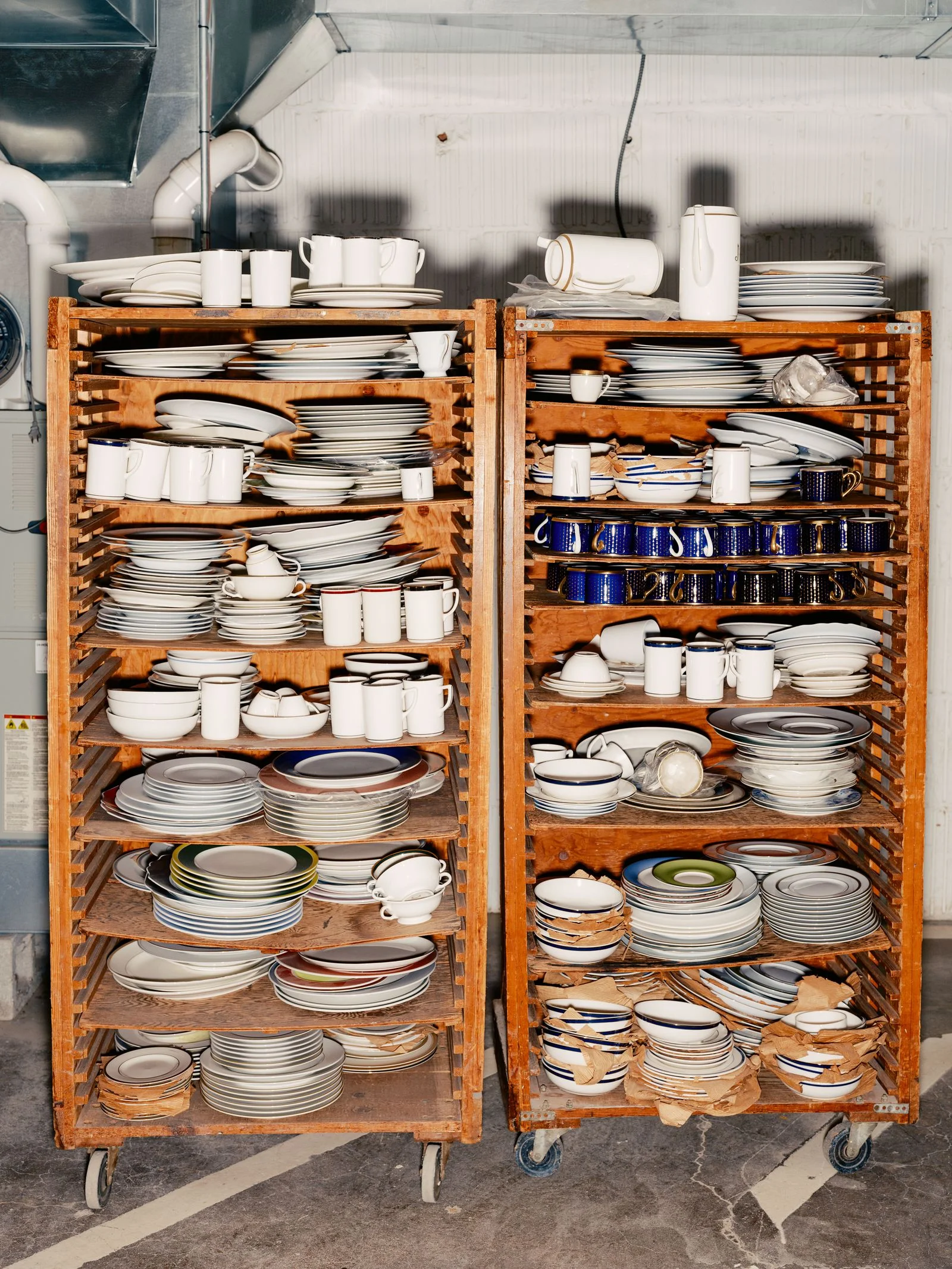
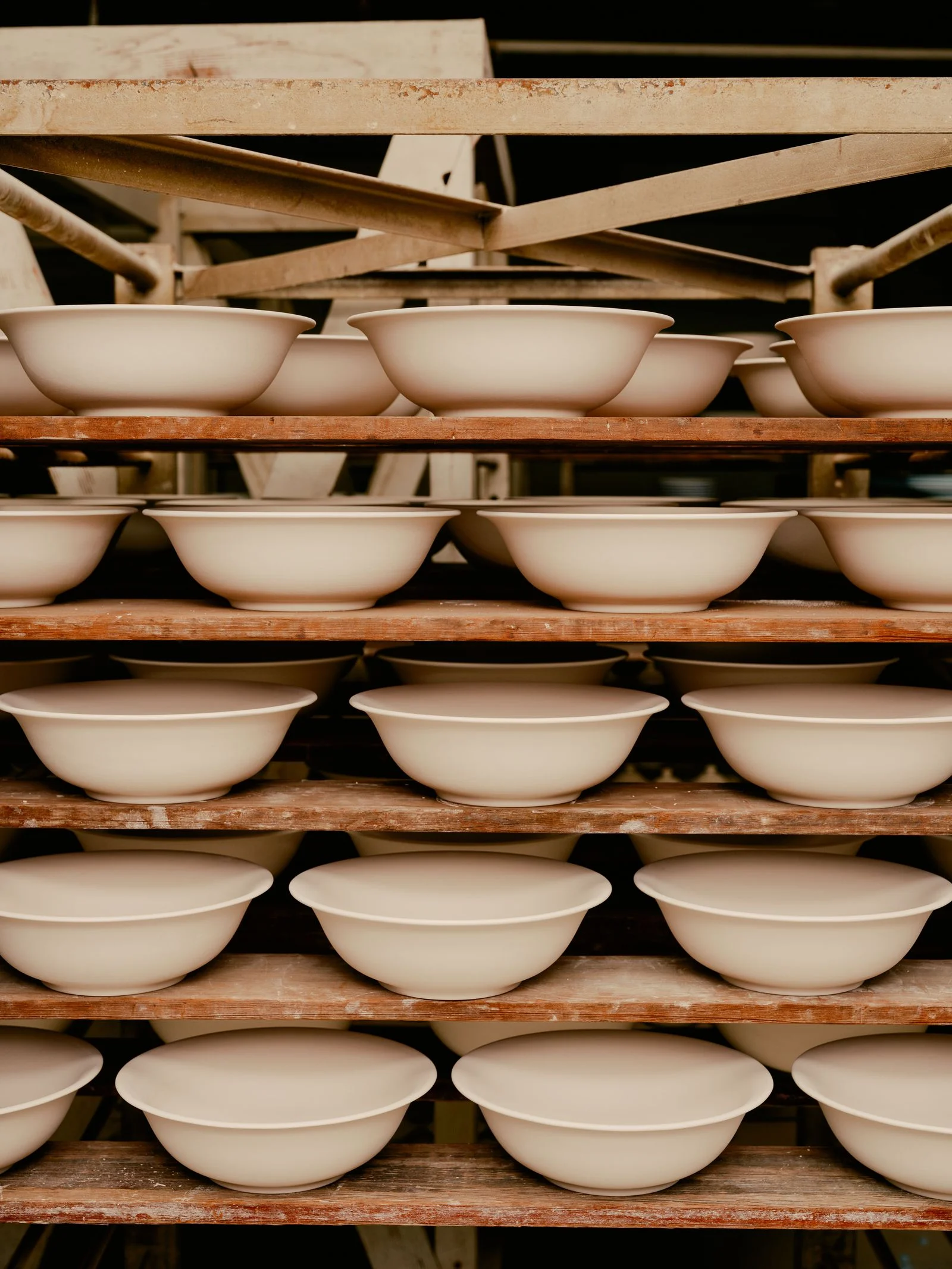
China dishware on rolling racks at Pickard, which Gates recently purchased.
Pickard’s past includes White House services for first ladies [Laura Bush](https://www.architecturaldigest.com/story/laura-and-george-w-bush-prairie-chapel-ranch-texas-article) and [Michelle Obama](https://www.architecturaldigest.com/story/michelle-obama-reminisces-about-her-childhood-kitchen-in-new-interview), along with the official dinnerware used at US embassies. But fine china has lost ground as bridal registries and formal home entertaining have faded. After fourth-generation CEO Andy Pickard Morgan said he was ready to step away, Gates became the owner.
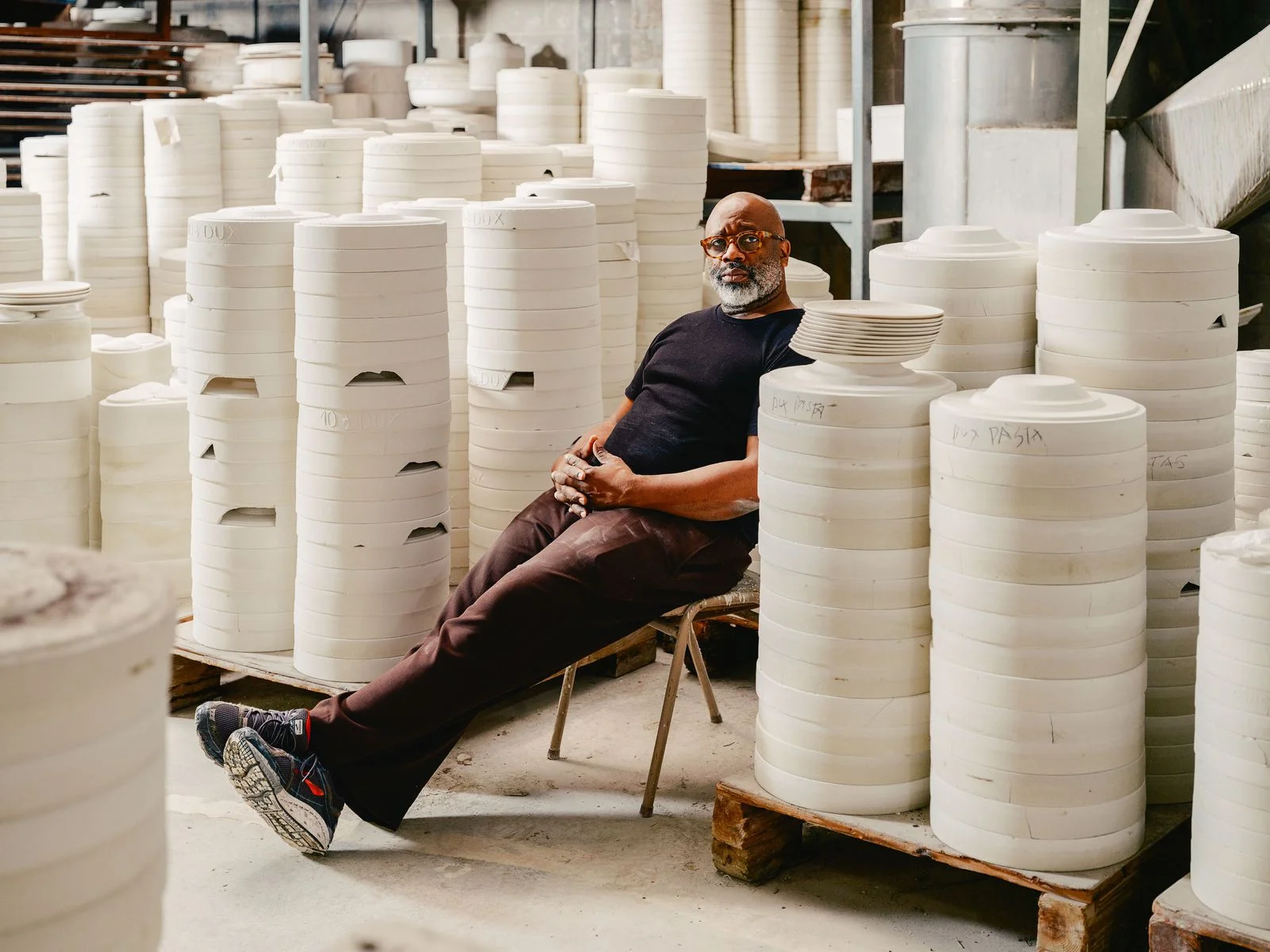
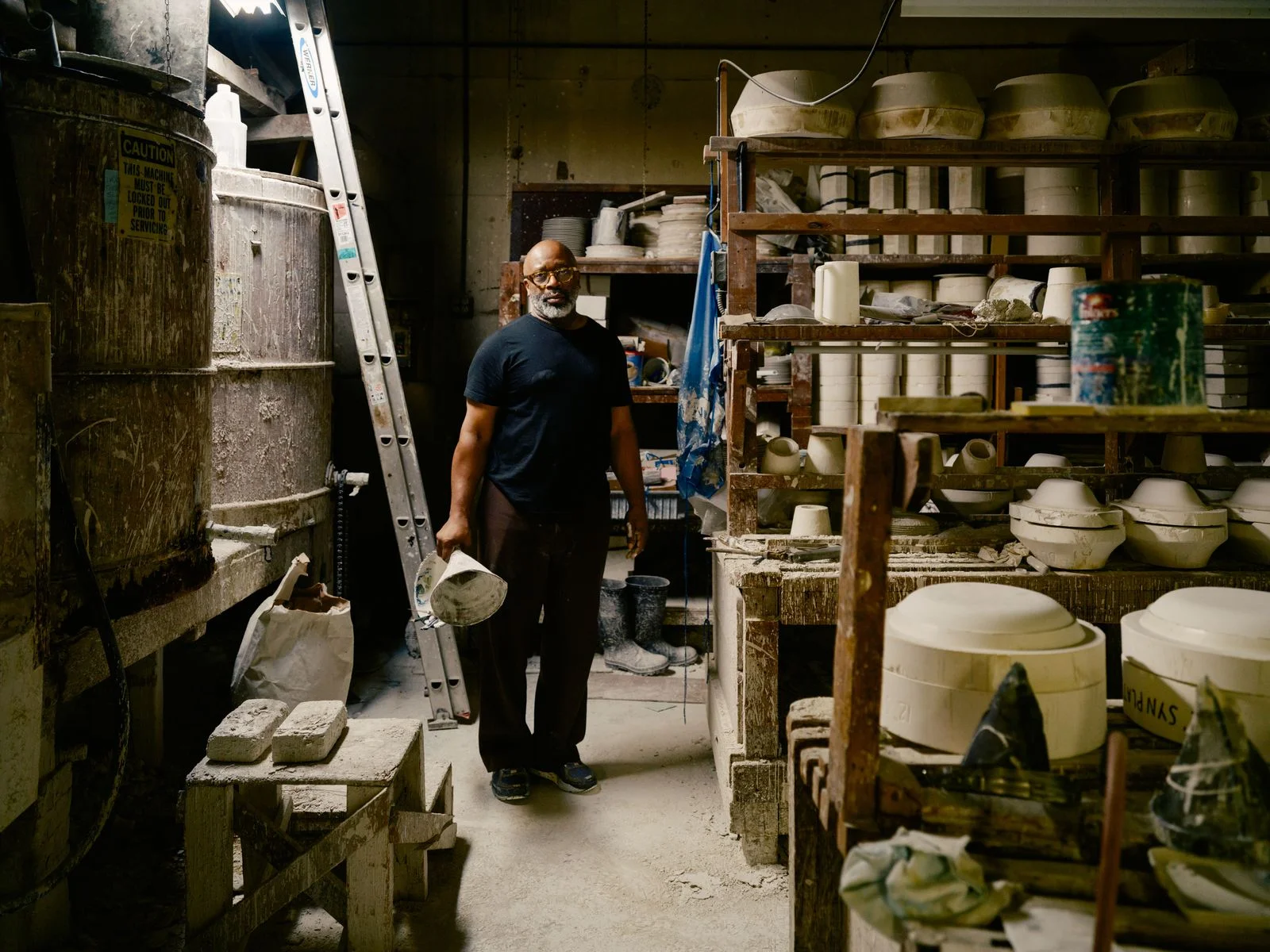
Gates at the Pickard facility with dishware molds.
Stewardship is the through line
At first glance, the acquisition looks like a departure from Gates’s work in Chicago’s historically Black South Side. Through the Rebuild Foundation, he has turned neglected buildings into arts and education spaces: an abandoned residence became the Black Cinema House, and a century-old savings and loan became the Stony Island Arts Bank. Pickard sits in Antioch, a predominantly white village near the Wisconsin border, about 67 miles from Gates’s South Side studio.
Gates doesn’t see those projects as separate. His interest in craft crosses racial and national lines; he studied with master potters in Japan. His collections include films by Russian director Andrei Tarkovsky, donated by late scholar Robert Bird, and the classical music archive of the LaSalle Quartet, whose core members were Jewish. “The problem of the archive is not one of Black or white; it’s one of stewardship and imagination,” he says. He also made ceramic vessels for Prada Home in Milan this past April.
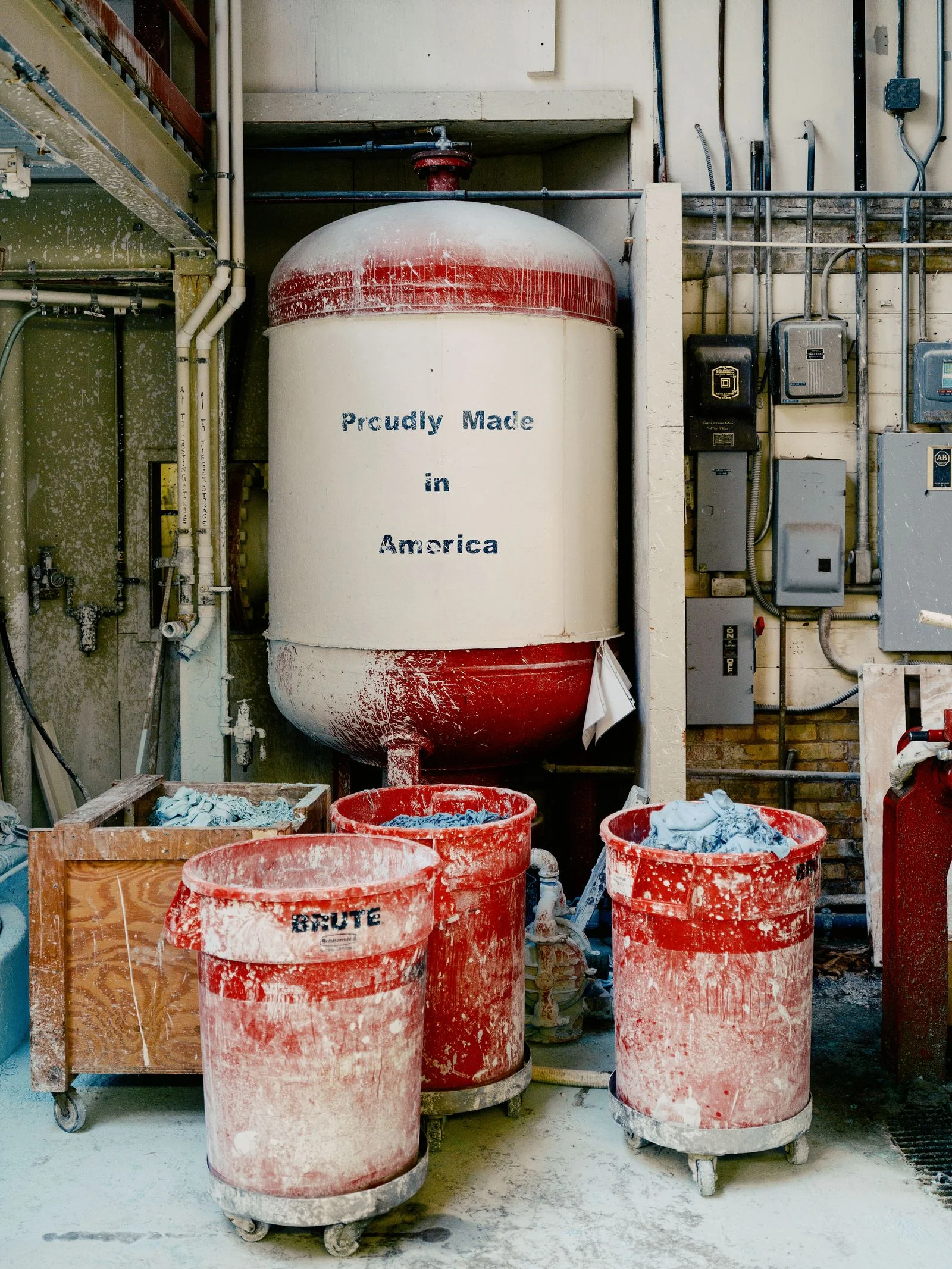
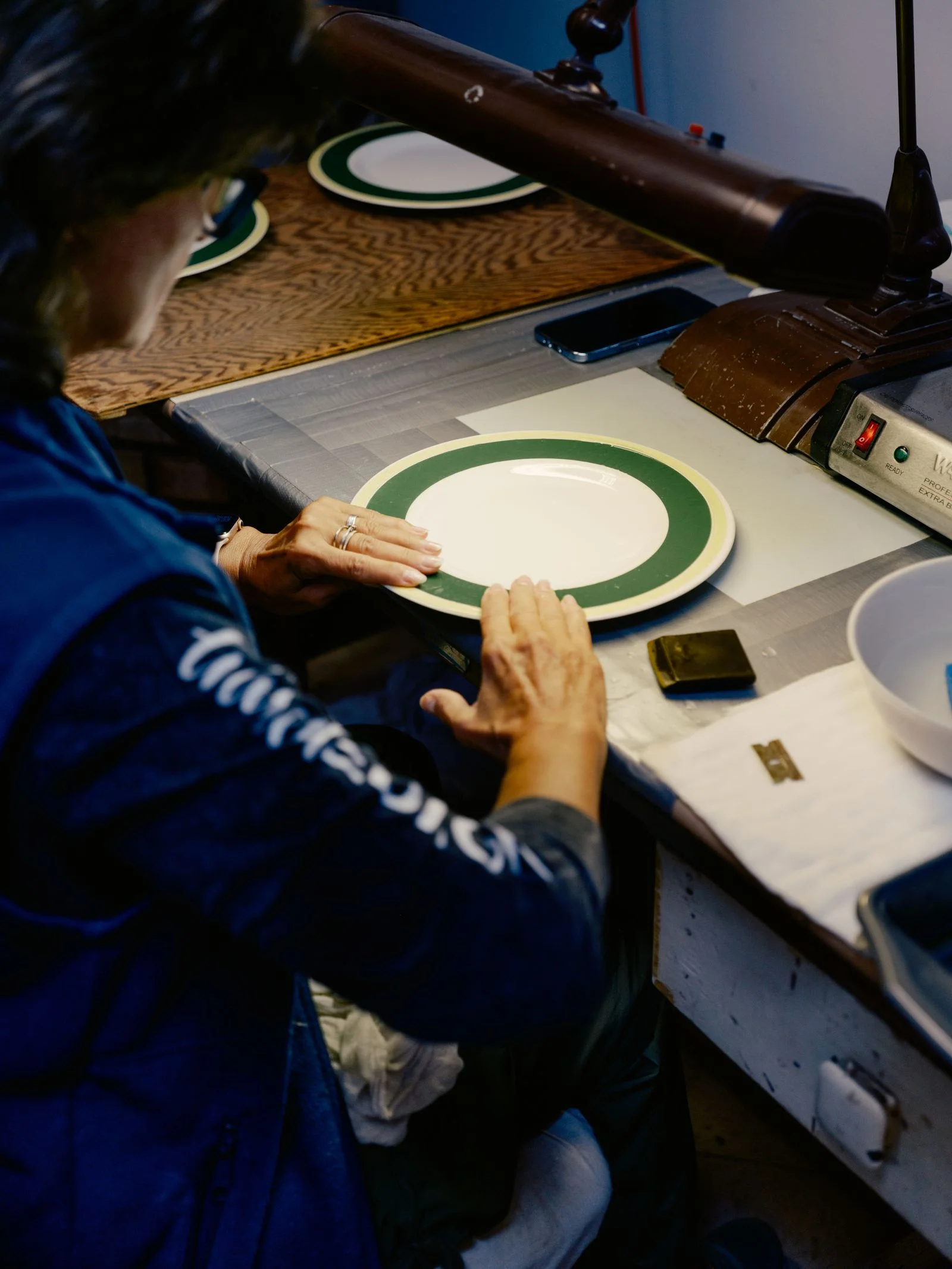
The marks of time inside the factory.A Pickard artisan finishes a plate.
Keeping the skills alive
Pickard gives Gates a complex project to work through, one that brings together craft, labor, community and legacy. He plans to upgrade the facilities, reconsider the product line and expand a staff that has fallen to 14 full-time employees from dozens at the company’s peak. The expertise held by that team is part of what needs preserving. Gates wants experienced workers to train a new generation of descalers, liners and glazers.
The business will keep serving commercial clients. Its large kilns will also let Gates fire the oversized sculptures he has wanted to make for a decade. “I’m thinking about manufacturing ceramics as an extension of my practice,” he says.
Gates among artifacts of the Pickard process.Pickard pieces on plywood racks.
Gates’s own material history is wide-ranging. He has worked with tar paper, a reference to his father’s roofing trade, and salvaged fire hoses that recall the water police used against Civil Rights Era marchers. Ceramics remain central to his practice, though his early taste ran toward rough stoneware. “The more grog and sand and feldspar, the better,” he says of that period.
Now he describes porcelain as “an amazing craft” and imagines the workshop as “a playground for artistic promise,” where staff and visiting artists can explore what the material might become.
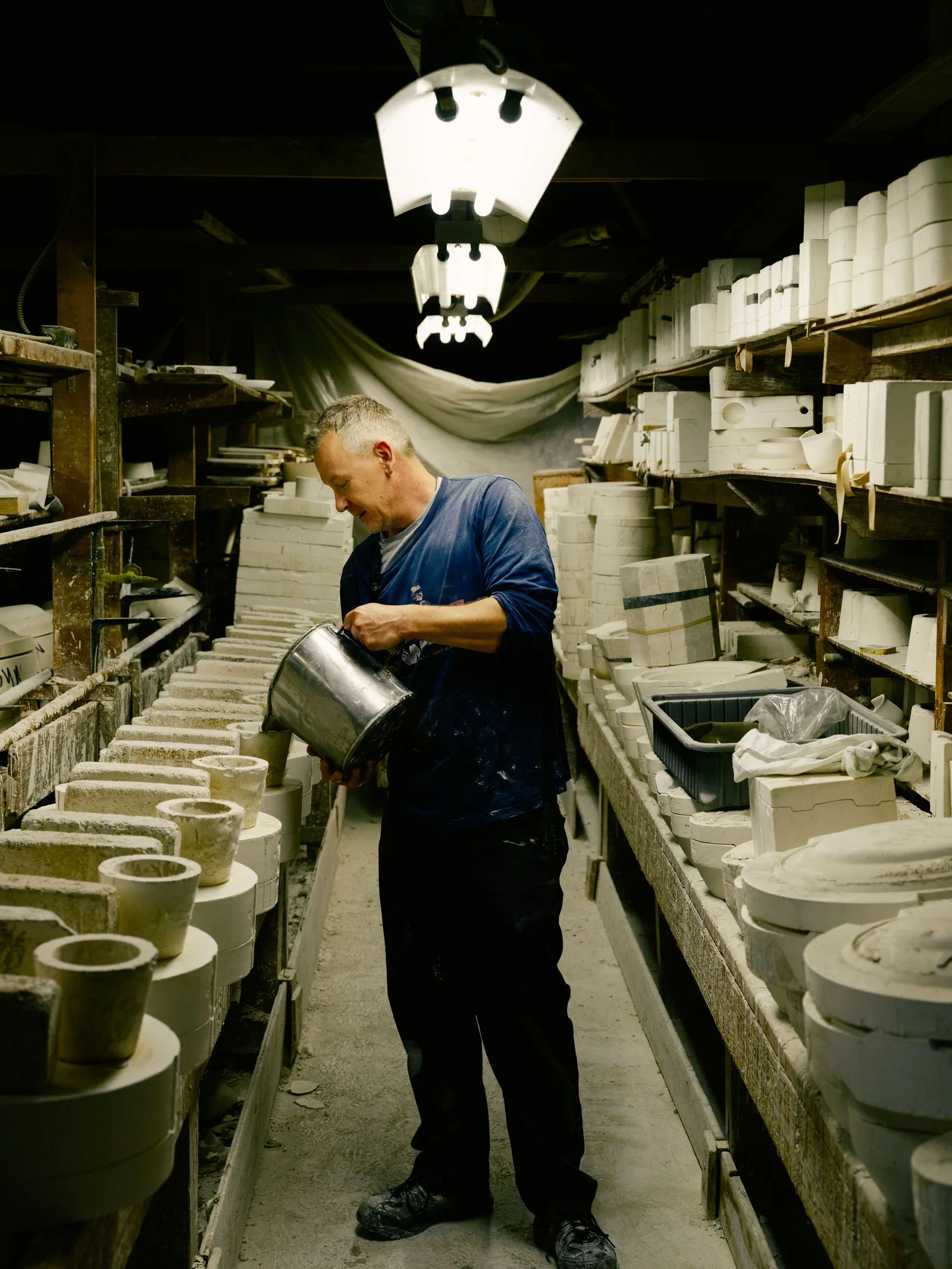
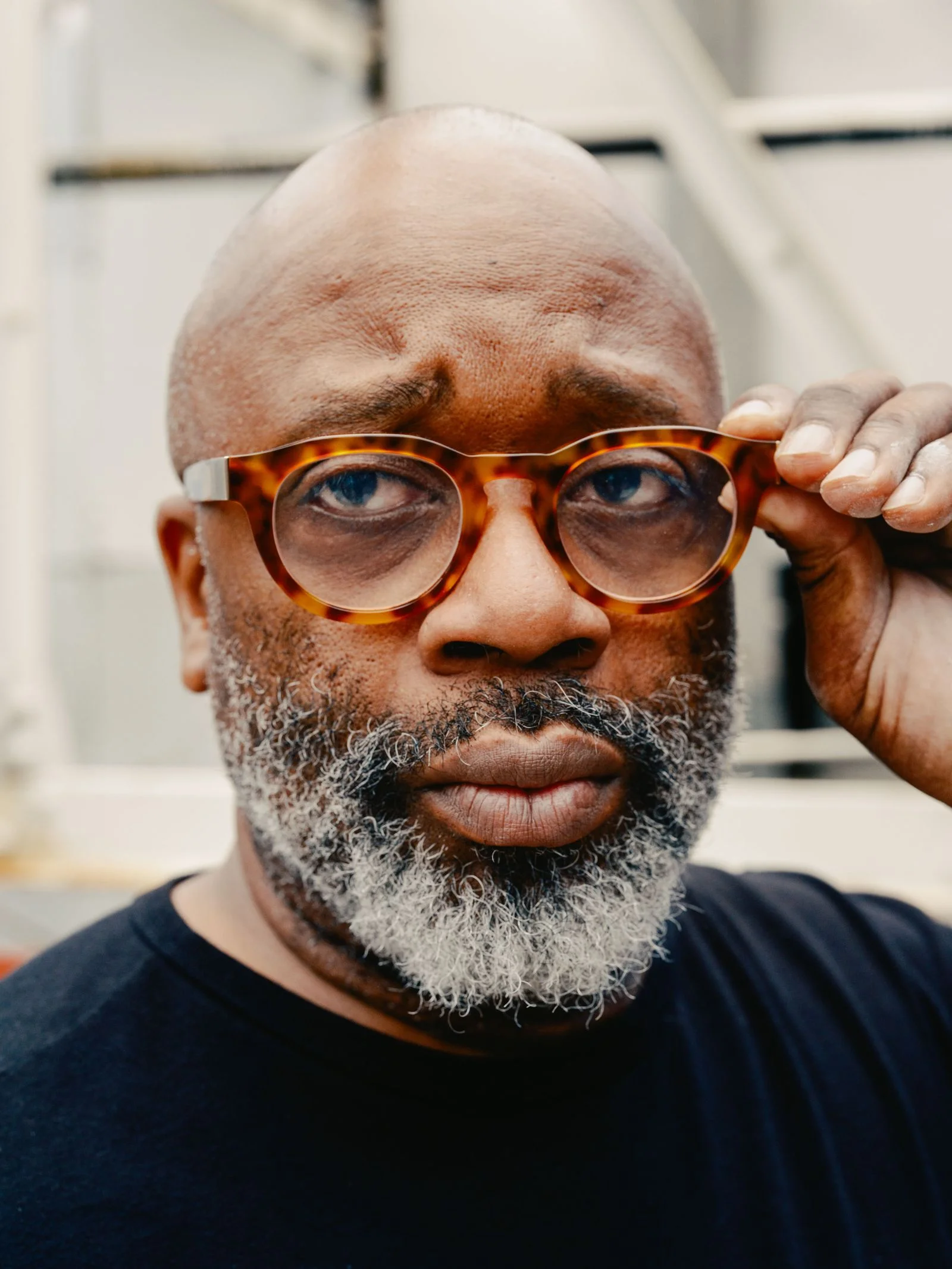
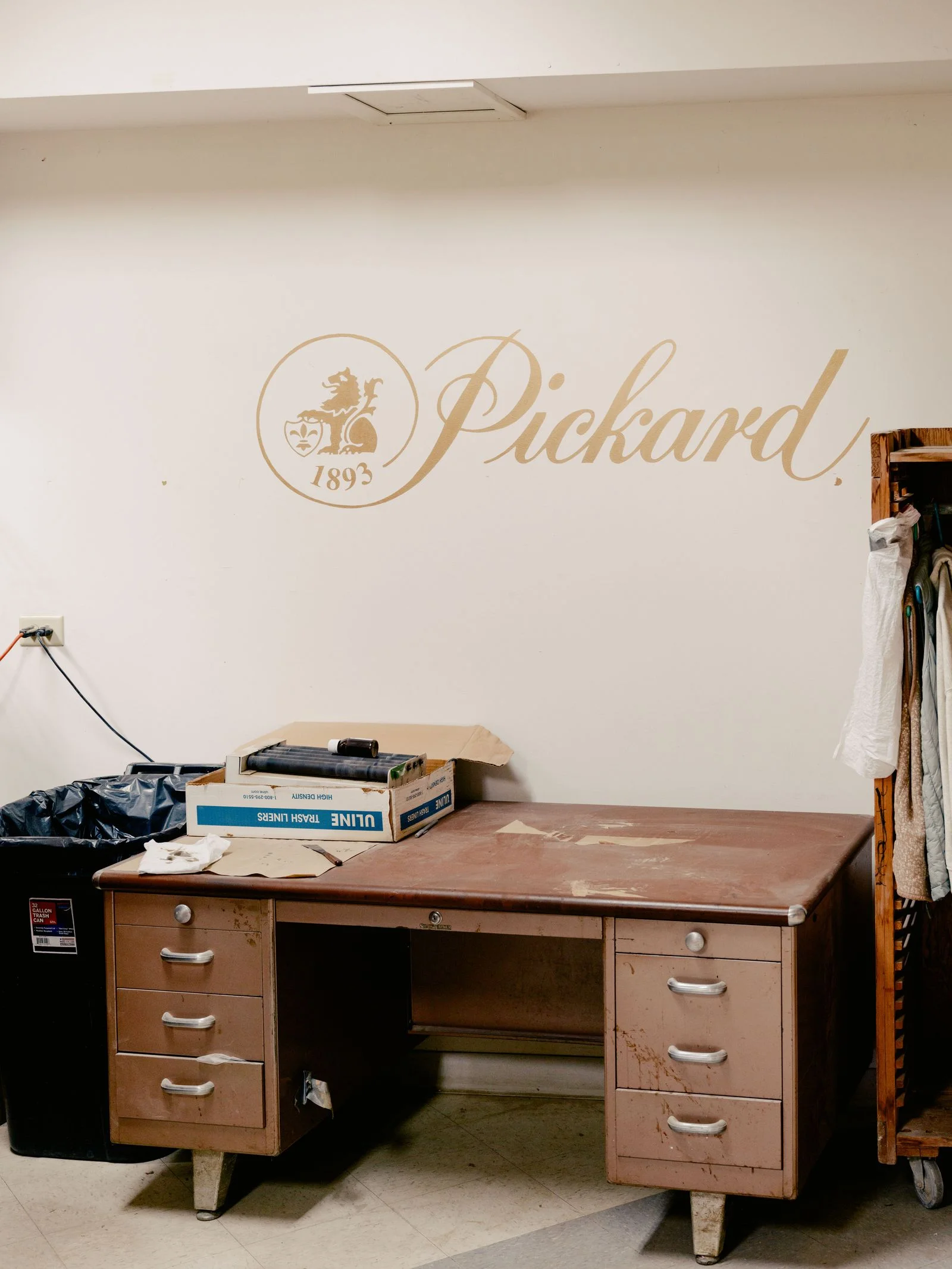
A Pickard artisan fills molds.The artist.The Pickard logo on a wall.
China for the table—and the kiln
Bone china may no longer signal status and civility as it once did. Gates sees another kind of value in it: an object used in shared rituals and passed through families. “Legacy objects play a huge role in how we remember our grandparents, our parents, and our past,” he says.
The dinner party that set this in motion is still part of the plan. Gates is drawn to porcelain as something to use as well as something to look at. He wants to make large artworks with it, and he’s still excited by the prospect of hosting a thousand-person dinner with every piece of tableware made for the occasion.