The house as a statement
Ross made her case for the whole arrangement in her 1979 [anthem of independence](https://www.vanityfair.com/style/2020/10/diana-ross-its-my-house?srsltid%3DAYCX9vJnluTIvK1wTKBFpN-q54NSyg4PGYC8WCNNhtx2XzlAjxKZpq00&sa=D&source=docs&ust=1794259578232926&usg=AOvVaw1RvyAHJrHekEczmxDfBPzR): *"There's my chair / I put it there / Everything you see / Is with love and care / It's my house and I live here."* Read it once and you get the mood of the decor. Nobody else's taste is getting a vote.An ordinary life, somehow
Here's the thing that gets me: twelve number-one singles with the Supremes, six more as a solo artist, a Lifetime Achievement Award from the Recording Academy, and a Presidential Medal of Freedom. Any one of those would reshape a household. Ross appears to have kept her domestic life grounded anyway. Her daughter, actor [Tracee Ellis Ross](https://www.housebeautiful.com/design-inspiration/celebrity-homes/a70610530/personal-space-tracee-ellis-ross-office/), put it simply on *The Kelly Clarkson Show*: "My mom is such a mom." Then she added, "I had a really regular upbringing." That's a claim you'd want to test, and the rest of the record makes it plausible enough to take seriously. 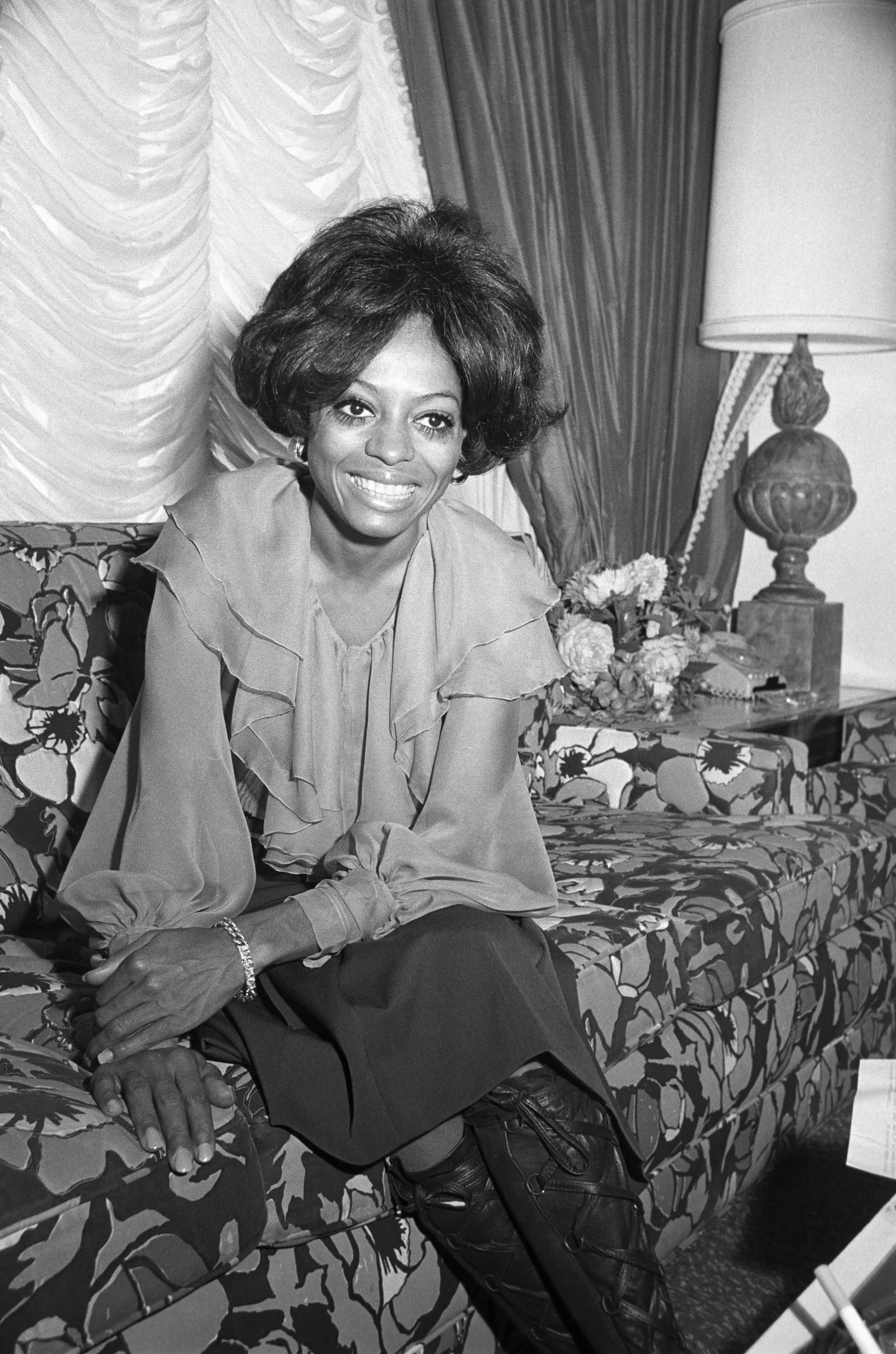 *Ross in Miami. Photo: Fairchild Archive/Penske Media via Getty Images*New beginnings
Ross posed on a floral sofa in her Miami suite for photos [dated March 17, 1970](https://wwd.com/fashion-news/fashion-features/gallery/diana-ross-fashion-photos-1236285879/diana-ross-7/). It was a pivotal stretch. In January of that year she performed her final concert as lead singer of The Supremes, and by June her debut solo album was out. She was reinventing herself in public, almost in real time. 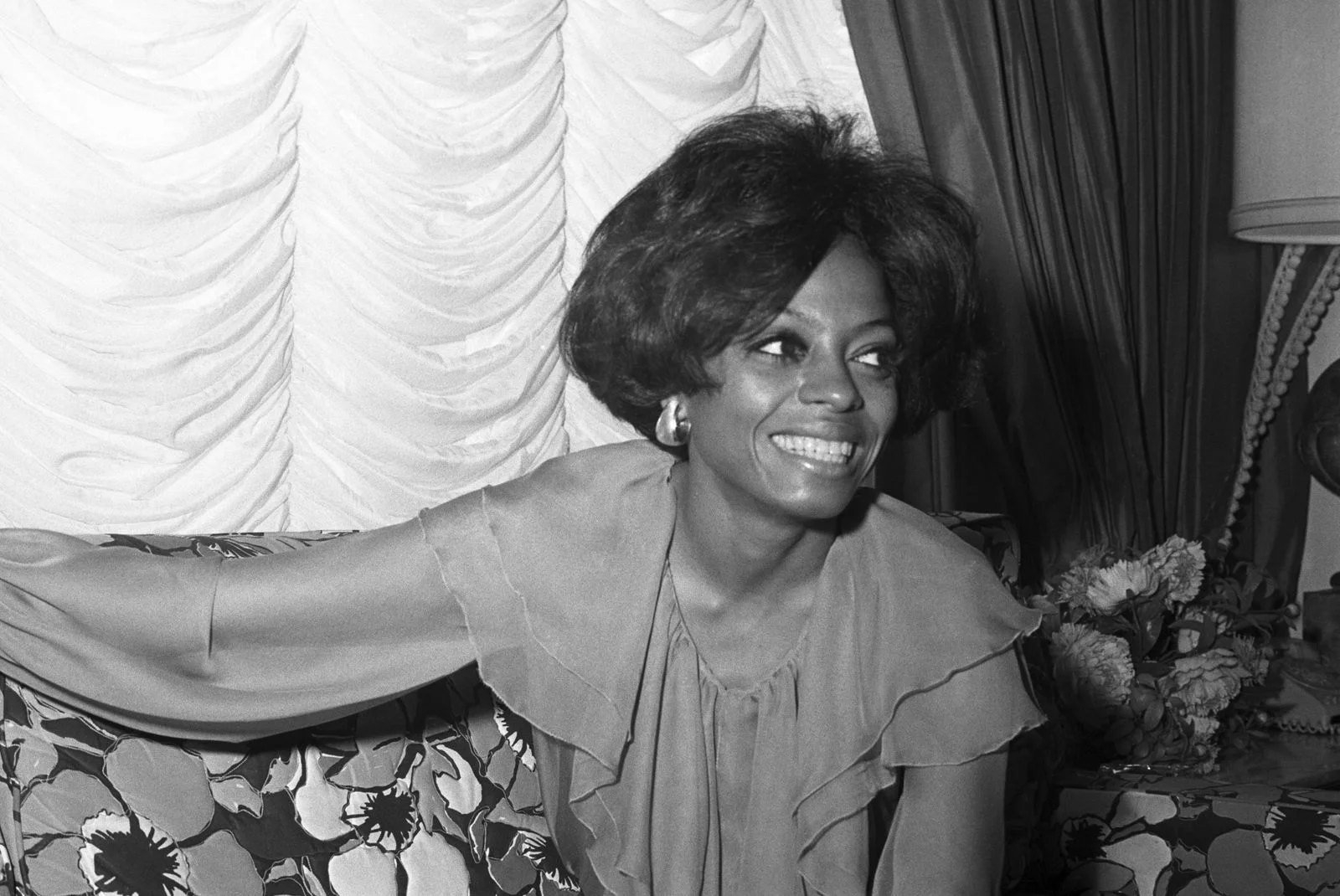 *The singer unwinds on the sofa during an interview. Photo: Fairchild Archive/Penske Media via Getty Images*A place to unwind
When those portraits were taken, Ross was midway through a nine-day run at Miami's Eden Roc hotel. It was her official solo debut, following a preview run in Framingham, Massachusetts. She clearly knew the stakes. "Welcome to the 'Let's see if Diana Ross can do it by herself club,'" she told the audience, according to journalist Shirley Eder, writing in *The Philadelphia Inquirer* on March 20, 1970. Eder's follow-up is the detail I'd underline. "Diana takes a long time to unwind after a performance… she screens movies in her suite almost nightly." A headliner who needs hours to come down and then settles in with a film says more about her than any stage banter does.Lady Sings the Blues
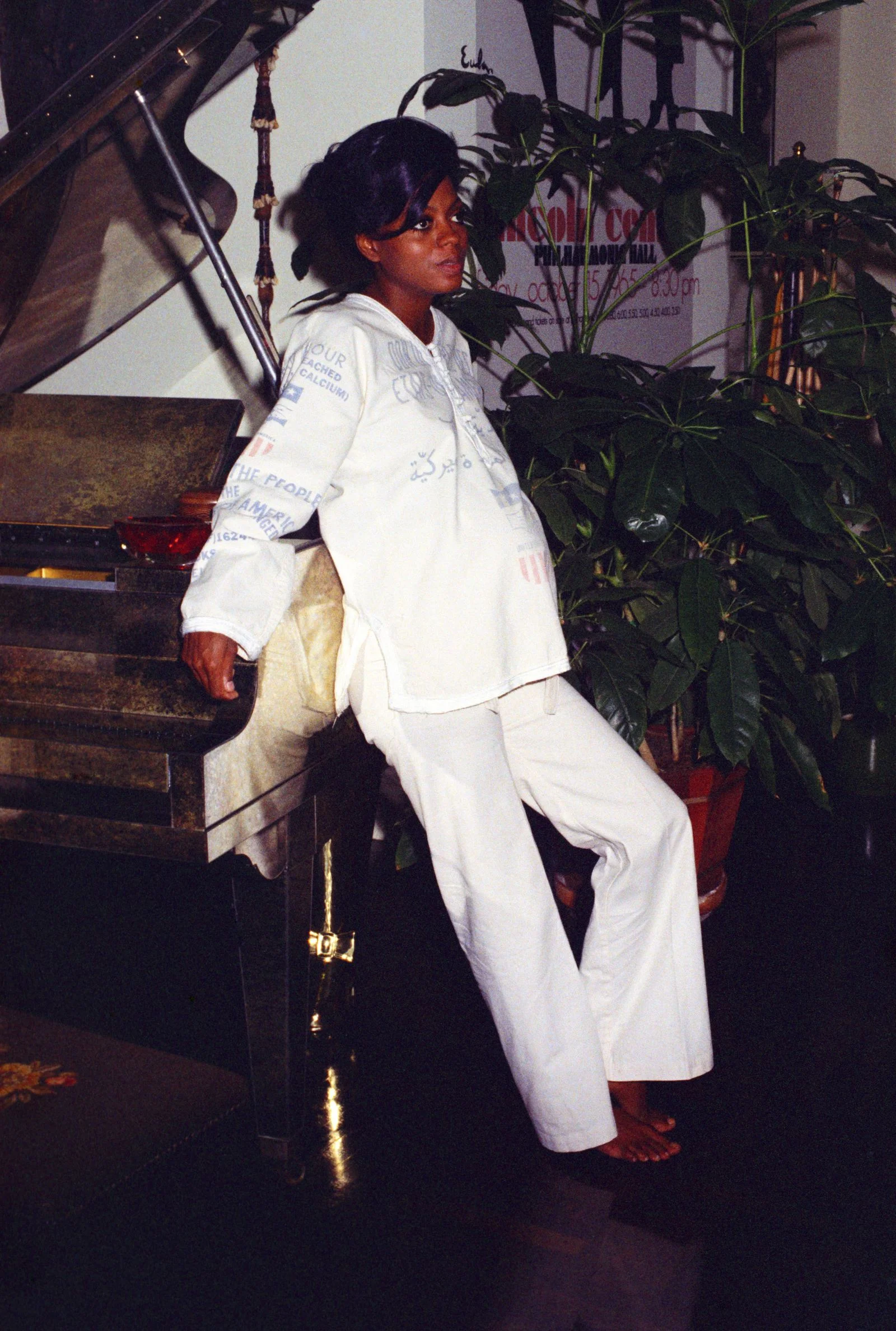 *A pregnant Ross leans against her reflective piano. Photo: Fairchild Archive/Penske Media via Getty Images* In a 1972 photo, Ross was eight months pregnant with Tracee and leaning against the mirrored piano in her Beverly Hills home. The shoot happened during an interview about her first film role, playing Billie Holiday in *Lady Sings the Blues*, directed by Sidney J. Furie. The performance earned her a Golden Globe and an Oscar nomination, among other honors. Furie's reflections are worth more than the usual director praise. "She's the greatest improviser I've ever known," he told [*The Hollywood Reporter*](https://www.hollywoodreporter.com/movies/movie-news/lady-sings-the-blues-oral-history-diana-ross-4172293/) in 2021. "Some of the main scenes were improvised…. She was the consummate pro and not a diva at all." That second line is the one a director only says when the star's ego wasn't the story on set.Making a family
Ross's eldest child, Rhonda, appears beside her on the purple sofa in 1972. Ross's career was launched by Motown founder Berry Gordy, and the two shared a relationship that was both romantic and professional. Rhonda was born in 1971 as a result of that relationship. Ross married music executive Robert Ellis Silberstein two months into the pregnancy, and he raised Rhonda as his own. The couple had two more daughters. Tracee was born not long after the photo above was taken, and Chudney followed in 1975. 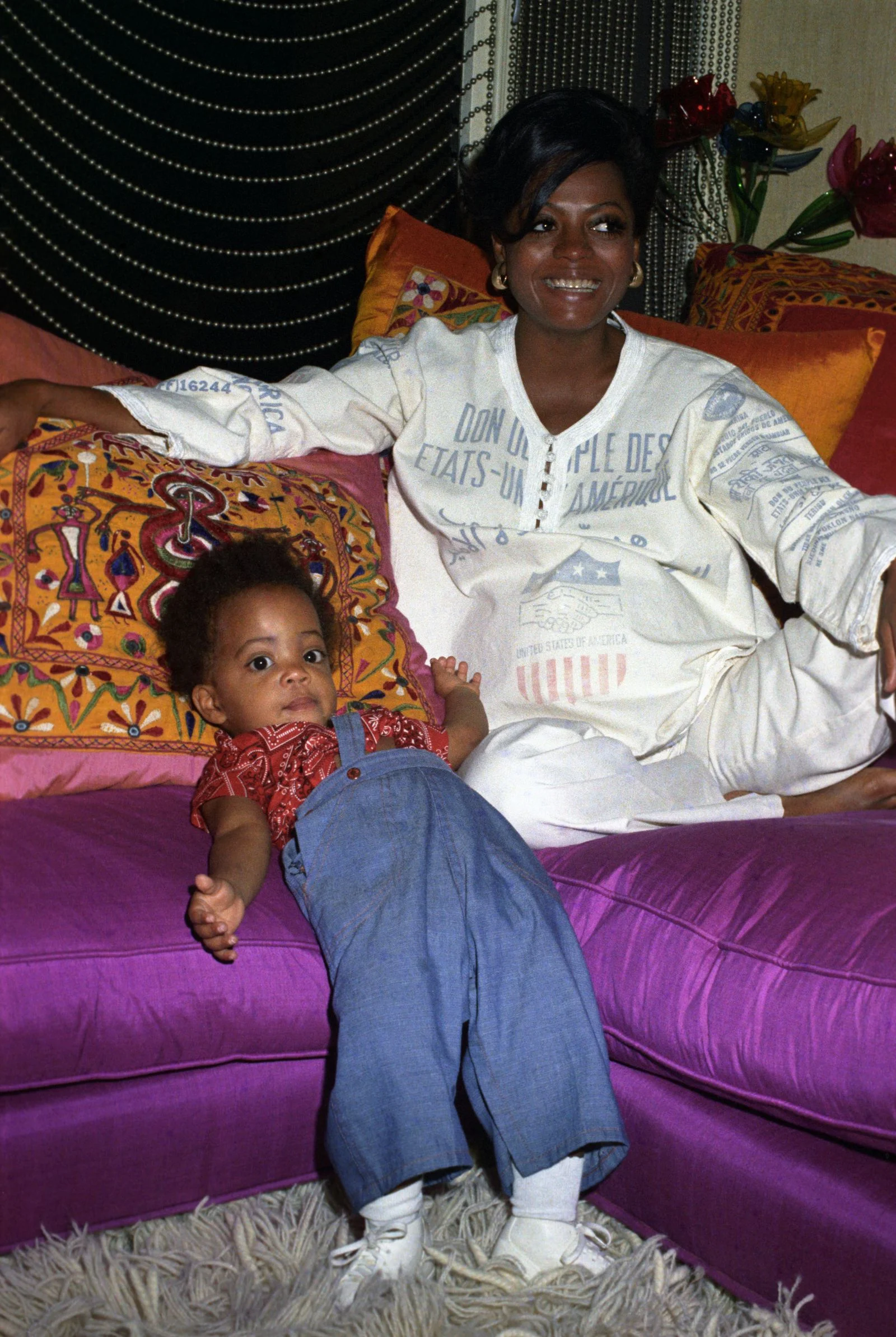 *The musician at home with her daughter Rhonda. Photo: Fairchild Archive/Penske Media via Getty Images*’70s style
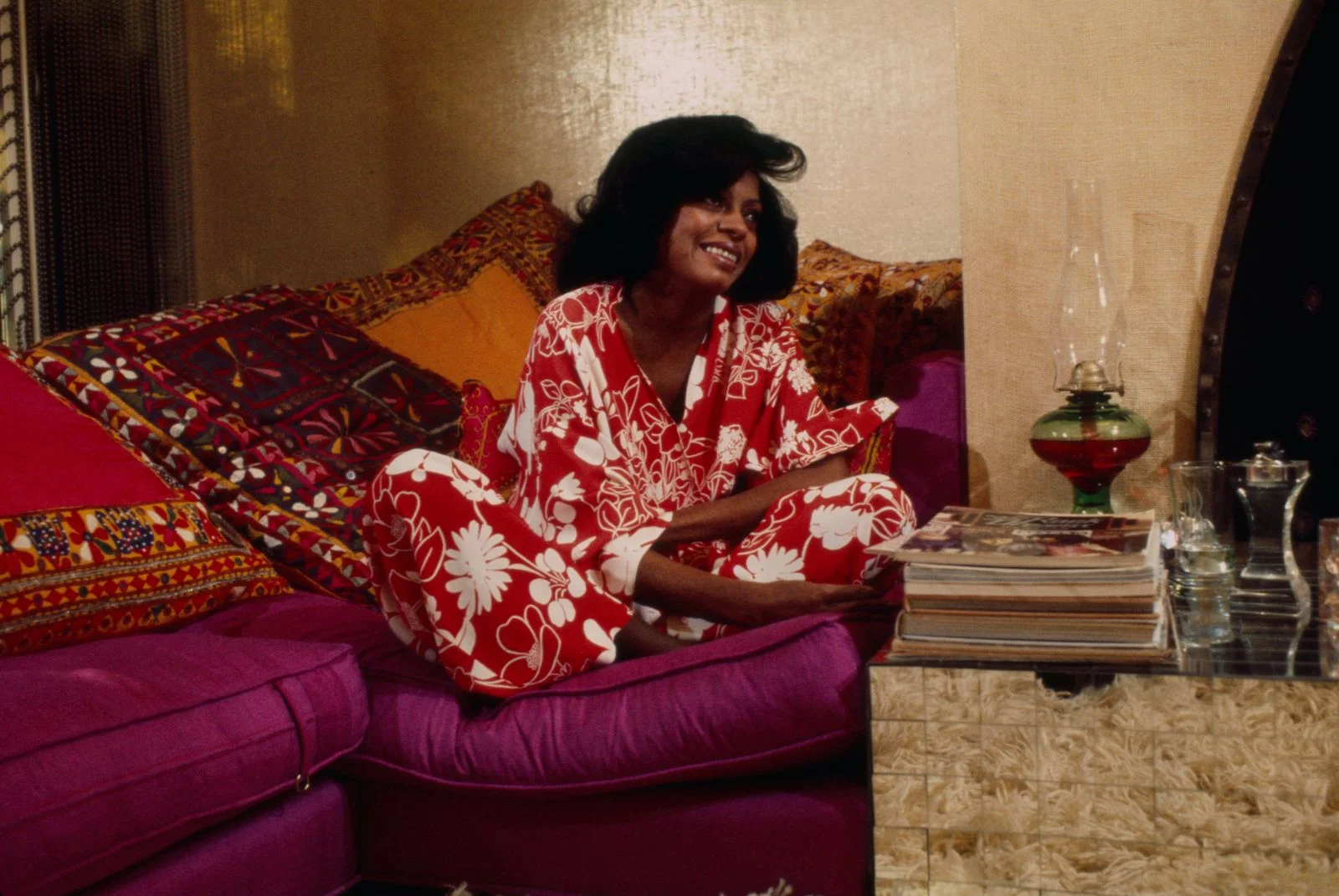 *Ross at home taping an appearance for an ABC special. Photo: American Broadcasting Companies via Getty Images* By the mid-1970s, the purple sofa was still the centerpiece of her Beverly Hills living area, now with a white shag-lined conversation pit and a fireplace covered in mirrors. A [1972 *New York Times* profile](https://www.nytimes.com/1972/12/24/archives/diana-ross-lady-doesnt-sing-the-blues-diana-ross-lady-doesnt-sing.html) described the house in detail. The [6,833-square-foot home](https://www.latimes.com/archives/la-xpm-1985-08-04-re-4614-story.html) had 30-foot ceilings and an Andy Warhol tapestry of Marilyn Monroe, with a swimming pool and tennis court on the grounds. Thirty-foot ceilings and a Warhol Marilyn are a lot of statement for one living room. Yet the rooms still read as lived-in, which is the harder trick. 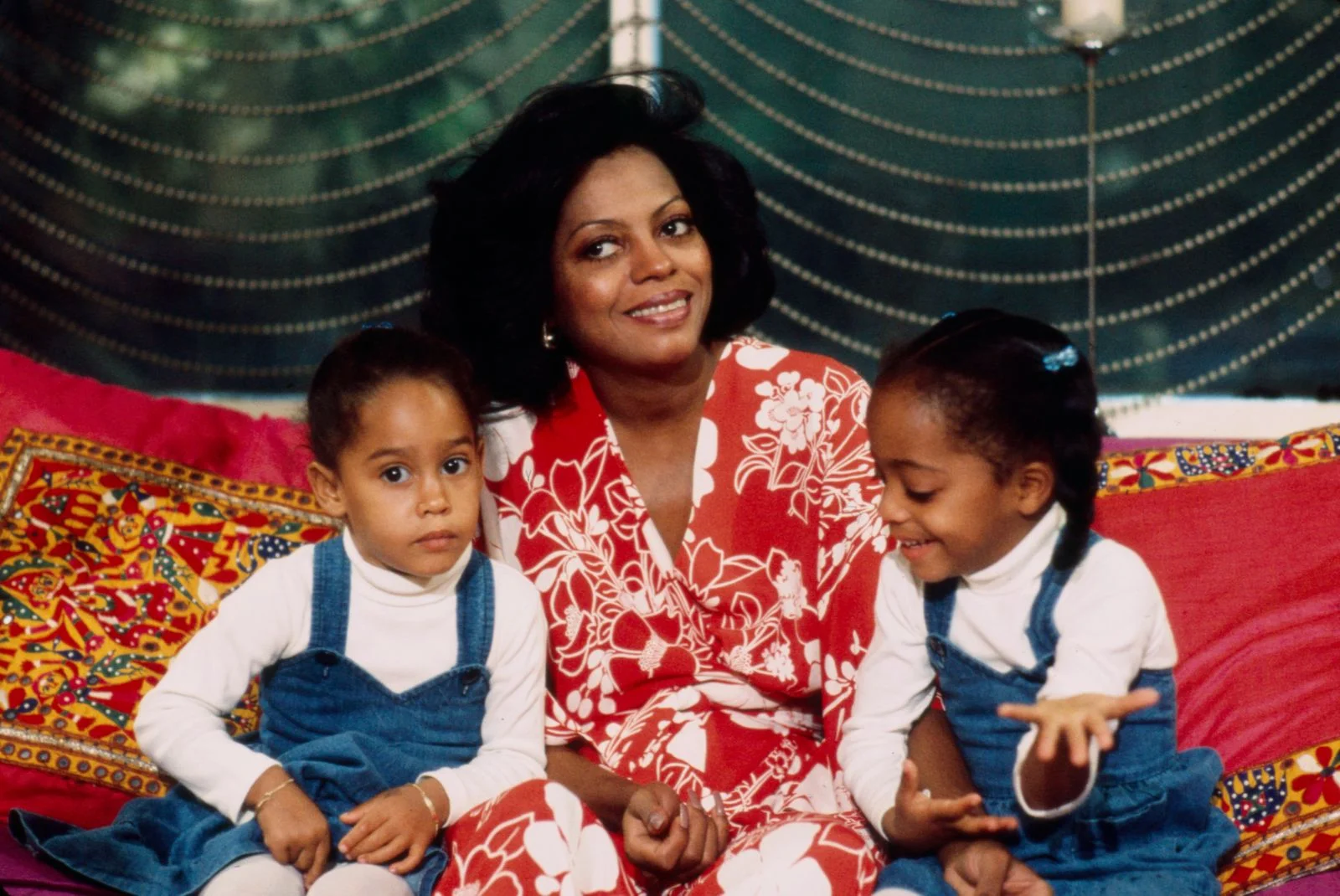 *Ross with daughters Tracee (left) and Rhonda. Photo: American Broadcasting Companies via Getty Images*The Ross family's Beverly Hills house had five bedrooms and nine bathrooms, but the detail that sticks is the reported neighborhood nickname: "the house with no windows." Per The Los Angeles Times, art collector Donald Factor had it built in 1964. The design put wall space first, because the walls were there to hold paintings. Natural light was an afterthought, and that tells you what the house was for.
Daughters who followed the family trade
Ross raised her daughters inside that house, and both ended up performing. Tracee is an actor who won her first Daytime Emmy for Solo Traveling with Tracee Ellis Ross. Rhonda earned a Daytime Emmy nomination for her role in the soap opera Another World. Two daughters, two careers on screen, and a mother who had already spent decades on stage. The house was a family business before anyone called it that.
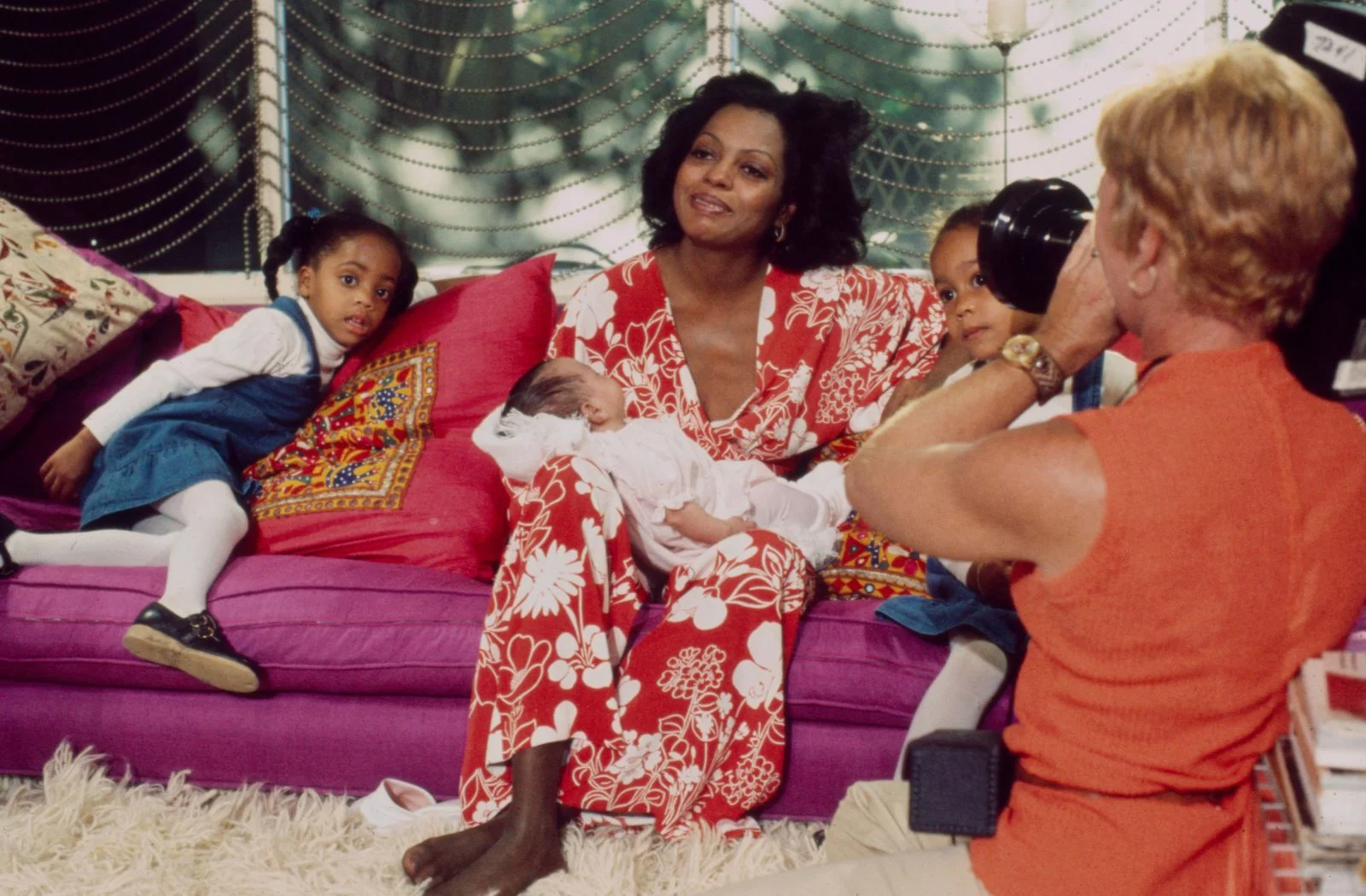
A newborn Chudney also turned up during the mid-'70s shoot. Ross and her first husband, Silberstein, divorced in 1977. She married Norwegian businessman Arne Naess Jr. in 1986, and the two had sons Ross and Evan. The couple split in 2000.
Making the house talk
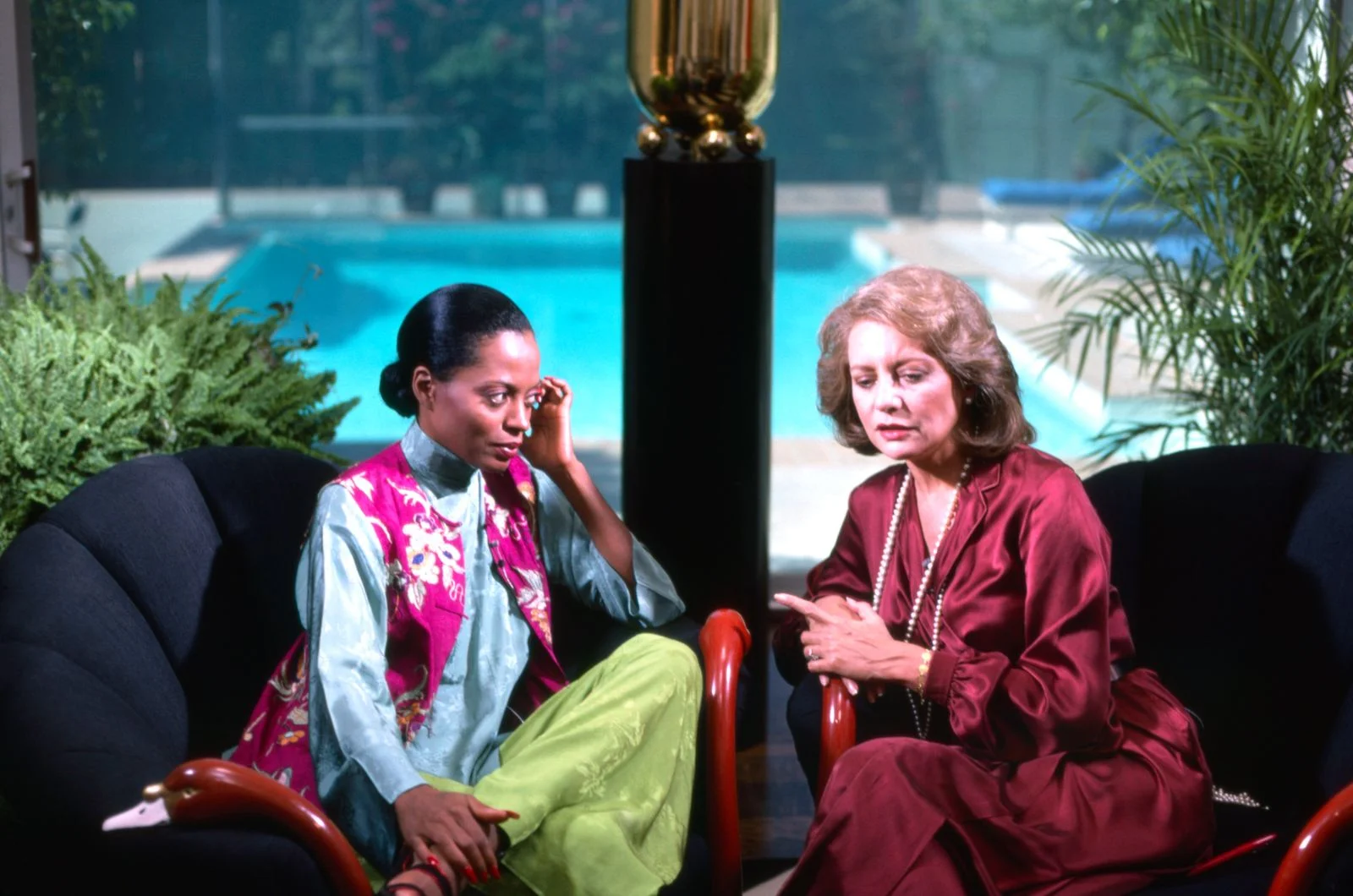
In 1978, newly single and parenting on her own, Ross let Barbara Walters into the Beverly Hills home for an interview about her career and single motherhood. The cameras sat in front of a window that looked out over the backyard pool. Walters didn't hide her skepticism about the glamour. "Her success has brought her every material comfort," she narrated. "Believe it or not, within 24 hours before we came here she completely refurnished the living room."
That's the detail worth dwelling on. A house with no windows was, for television, a set that could be redressed in a day. The conversation pit that appeared on screen was done up in dark maroon carpet and a navy sofa with white cushions, a far cry from the sunken seating you'd expect from a 1960s design.
Hosting in the 1980s
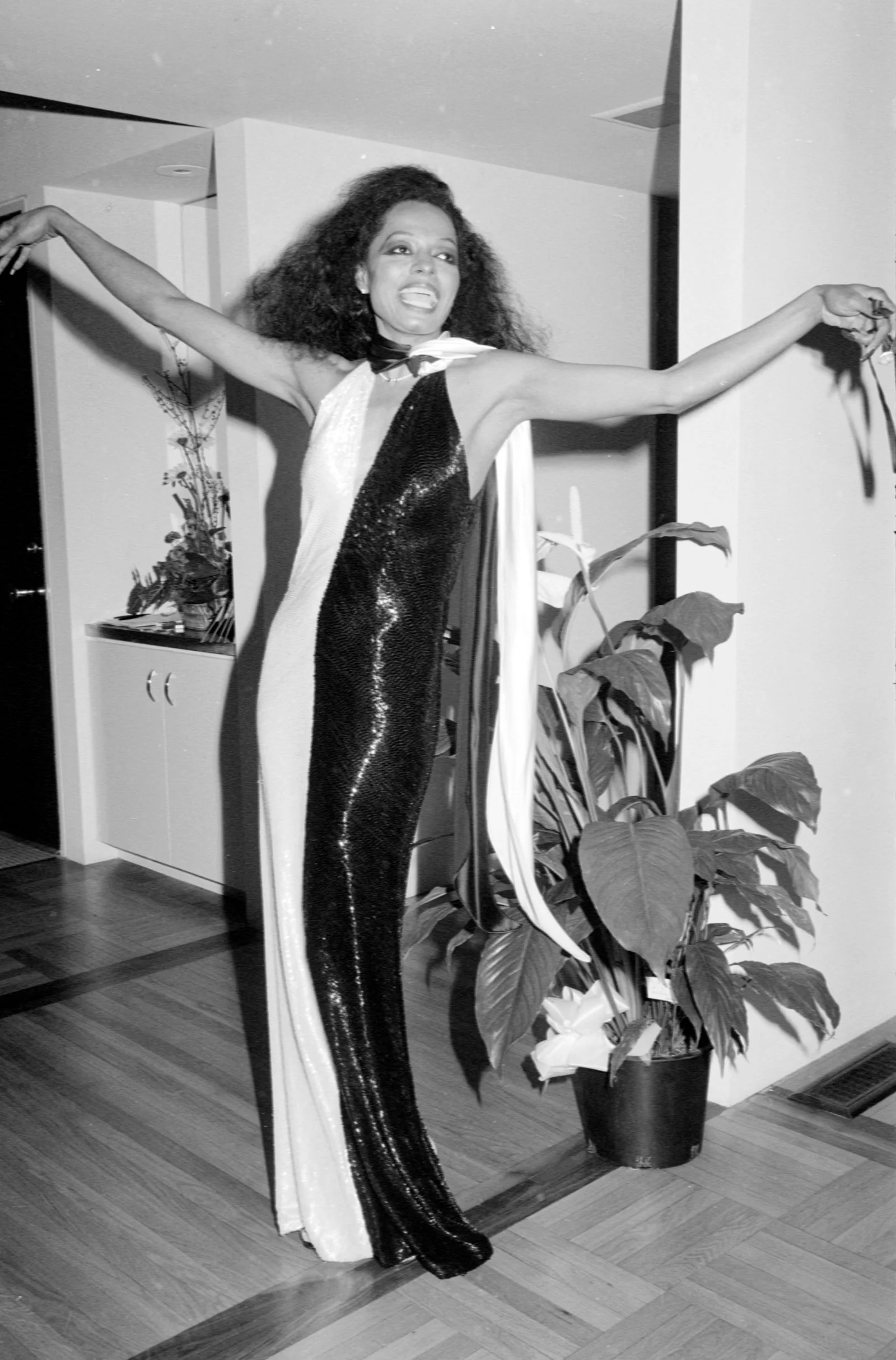
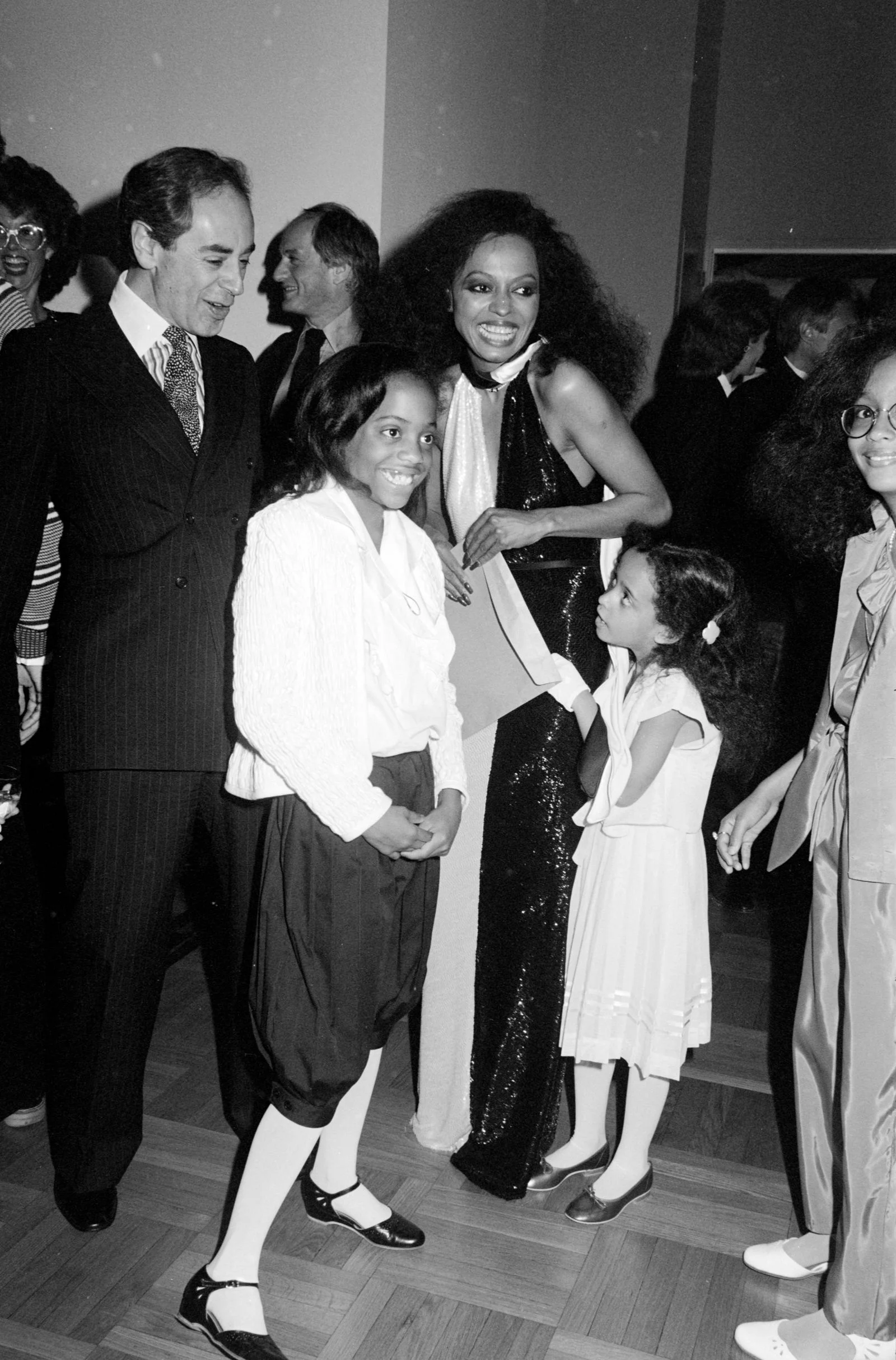
The house also served as a party venue. Ross celebrated her 38th birthday there in March 1982, and the photos from that night show the glamour the 1978 interview had only hinted at. Later that year she released Silk Electric, her 13th studio album, and received a star on the Hollywood Walk of Fame. Her daughters attended the birthday party, which makes the house look less like a showpiece and more like a home that did double duty.
The sale and what came after
Three years after the birthday party, Ross sold the Beverly Hills property for $1.75 million. Set that against nine bathrooms and a famous art-first design, and the figure reads more like a 1980s number than a reflection of what the house had become. The sale closed one chapter of a home that had carried a family, a marriage, and a career.
The 13-time Grammy nominee, now 82, lives at Quarry Farm in Greenwich, Connecticut. She released her 25th studio album, Thank You, in 2021. The move from a house built to hold paintings to a farm in the Northeast says more about where Ross's life has gone than any listing does. If you're tracking celebrity property, the lesson is simple: the house that made the headlines is rarely the one that defined the family.