What the owner found
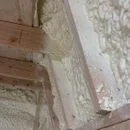
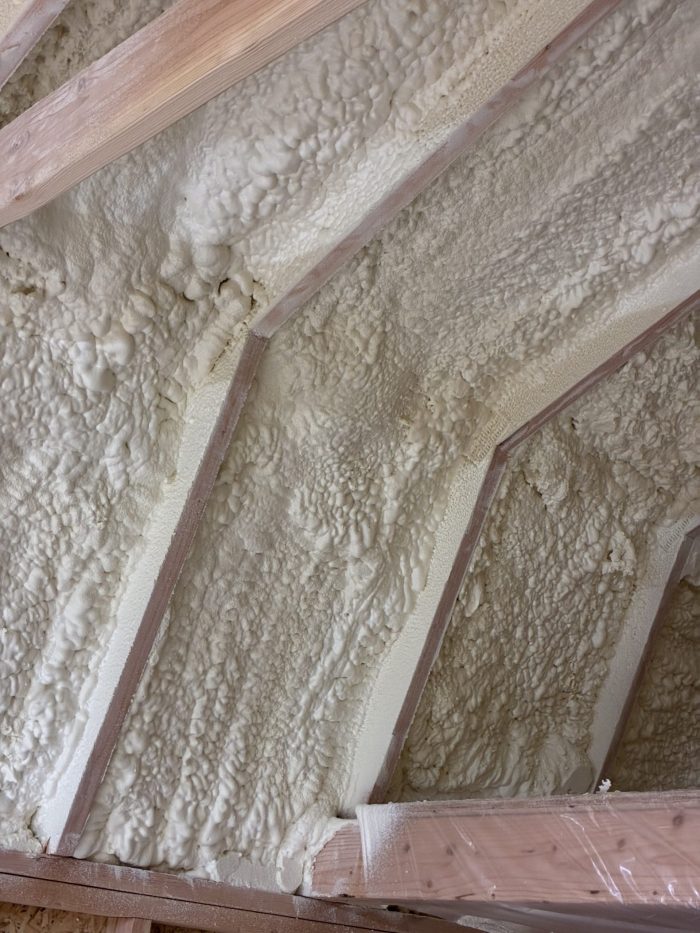
The owner of a 36×14 vaulted shop had its ceiling and gambrel walls sprayed with Miracell 180 closed-cell foam. The spec called for 3.5 inches. What went in measured 2.5 inches in some spots and a single inch in others. The thin areas are the obvious problem. The harder question is whether the foam mixed and cured properly at all.
Thickness is easy to measure and easy to argue about. Chemistry is much harder to judge from the outside, and that's why the mix question matters more than the tape measure. Vaulted ceilings and gambrel walls create a lot of angles and transitions, and each one is a spot where coverage tends to vary. A thin inch in one corner doesn't prove much on its own, but it does suggest the geometry was fighting the crew the whole way.
The thickness shortfall
Losing one to two and a half inches of a 3.5-inch build-up matters. The building sits in Climate Zone 7, and the framing is 2x6 rafters, so there isn't much depth to spare. The contractor apologized and offered to come back and bring the whole area up to 3.5 inches. The owner's question was whether new foam can go over what's already there.
Put in percentages, the gap runs from about 30 percent under spec in the best spots to roughly 70 percent under in the worst. That's not a rounding error you can ignore and move on from. Climate Zone 7 means long, cold winters, which is exactly the kind of place where the insulation target was set for a reason. And with 2x6 depth, every missing inch costs more than it would in a deeper cavity.
Here's the thing: thin foam isn't only a thermal problem. Closed-cell foam is often chosen partly for its air-barrier and moisture behavior, so a thin patch can be a weak point as much as a lost R-value. (and this is the part most people overlook) The thin spots tend to cluster where framing changes direction, which are the same places that are hardest to re-spray evenly. The contractor's offer is reasonable on paper, but adding an inch on top of an inch isn't the same as a clean redo.
Reading the surface for cure and mix problems
An experienced installer started with timing. Foam that's mixed correctly should lose most of its odor within several days to a week of active ventilation. A sharp smell that hangs on usually means the chemistry was off and the material isn't setting up. When that happens, the usual fix is to strip it out and start from scratch. If the space was ventilated properly and the odor has faded, the material is probably sound.
Odor is a symptom, though, not a diagnosis. It tells you something may be off, but not whether the problem is off-ratio chemistry, poor temperature control, or a space that never got enough air moving. A closed-up shop will hold smell far longer than an open one, so timing only means something if you know how the room was handled after the spray. Ask what the ventilation looked like, and ask for it in plain terms.
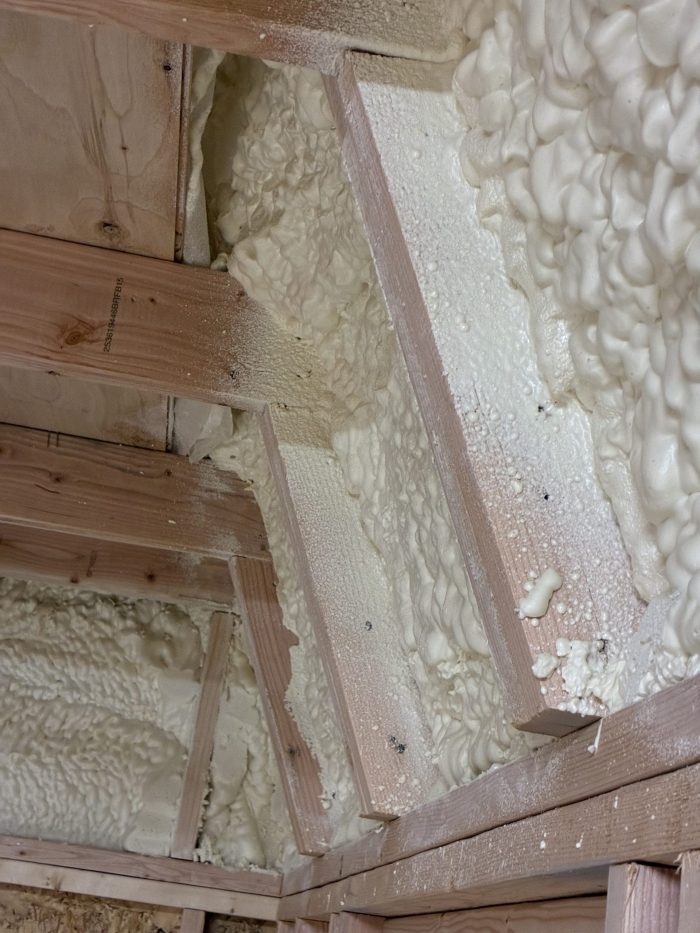
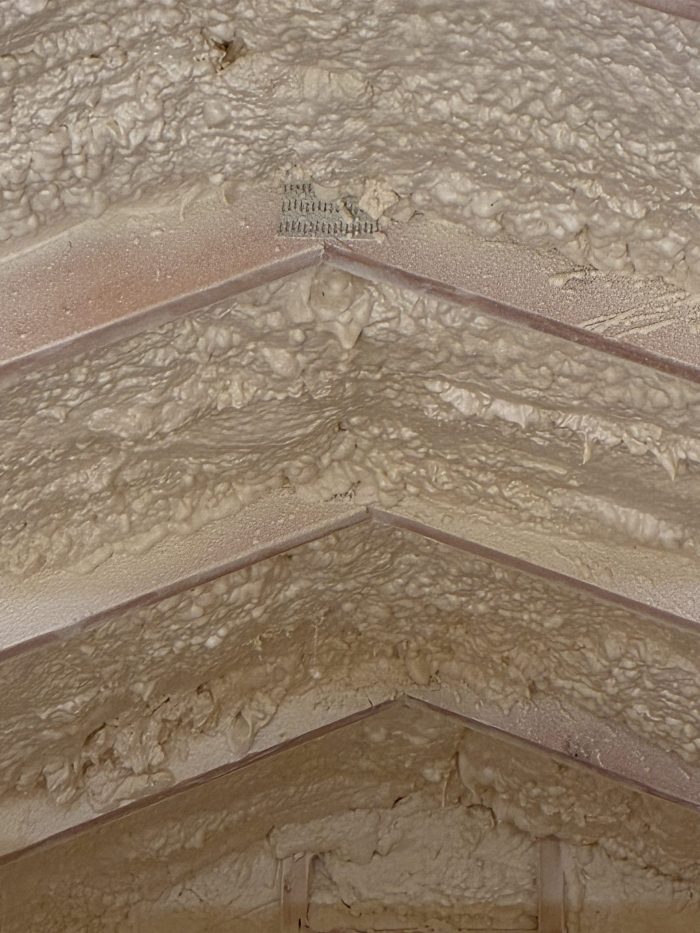
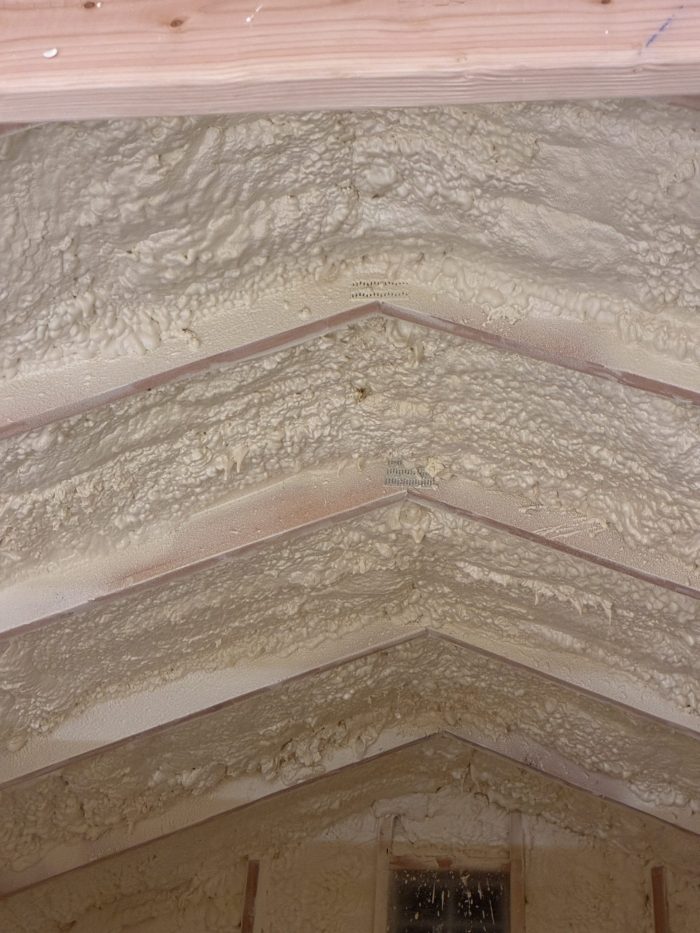
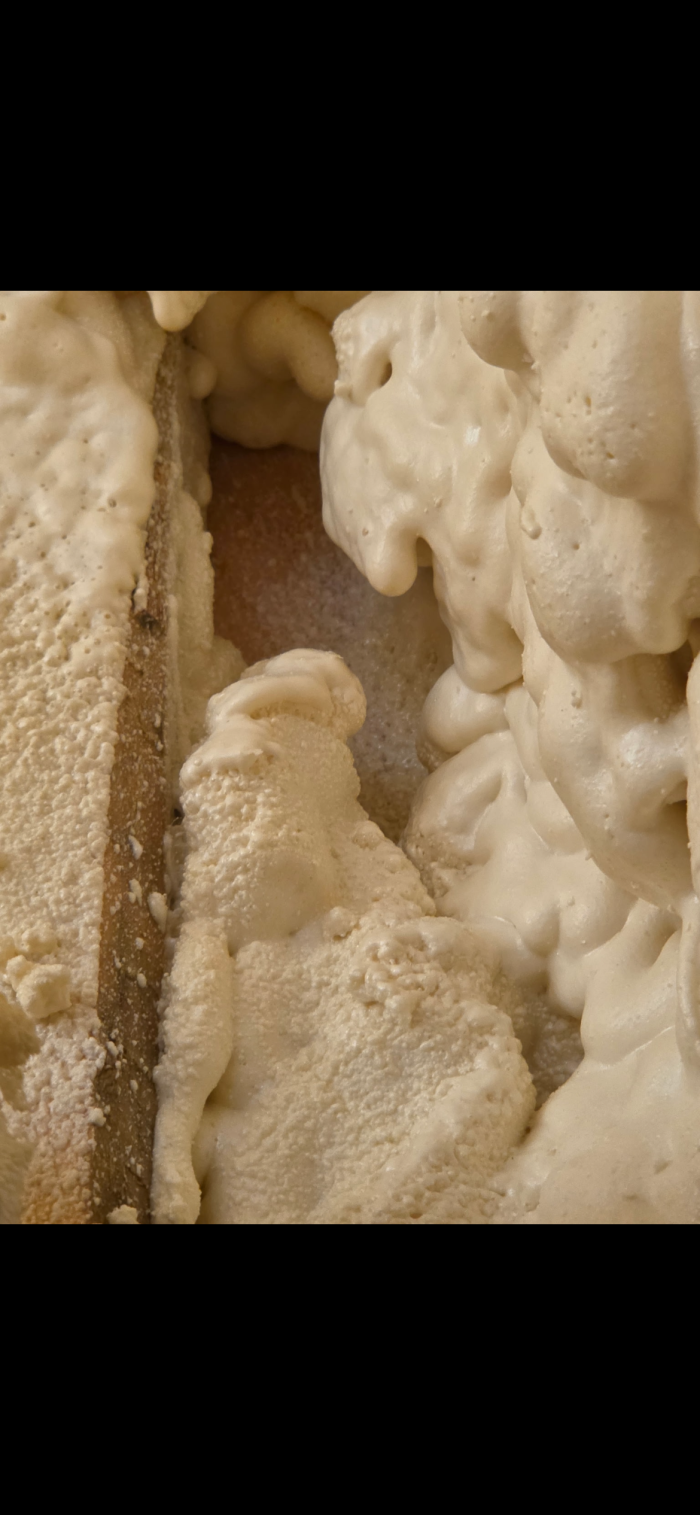
A second reader looked at the photos and thinks the foam has cured in the areas visible. The droopy spots near the framing likely come from gun angle or travel speed, which is exactly where a steady hand separates from a rushed one. Spray foam takes practice to lay down evenly. That same reader pushed back on the smell question a little, saying a faint odor can linger for longer than a few days, much like a new car's interior, as long as it isn't overpowering.
That said, I'd be cautious about treating a visible cure as proof of a good mix. Photos show surface behavior, and the surface can look fine over material that isn't bonding well underneath. I'd put more weight on a cut sample than on any amount of photography. A cut sample shows the full depth, the density, and whether there are layers or voids you can't see from the face.
Closed-cell versus open-cell
One more detail is worth knowing about closed-cell foam versus open-cell. A commenter noted that closed-cell foam left under water for three days still floats once the weight comes off, while open-cell foam soaks up water like a sponge. That's one reason closed-cell is the usual choice where moisture is a concern.
Don't over-read that point, though. The water test describes the material when it's properly made and fully cured, not every batch that comes out of a gun. A thin, poorly cured layer may not behave like a sample from a lab or a manufacturer's data sheet. The material's reputation is only as good as the install, and the install is exactly what's in question here.
Can new foam go over the old?
Both readers said yes in principle, as long as the existing foam is cured and mixed correctly. The first installer's advice was to bring in a second, experienced contractor before anything else gets sprayed. That contractor could cut a few sample sections, check the mix, and quote either a full tear-out or a fill-in. Those numbers give the owner real leverage in talks with the original installer.
Spraying over existing foam is a common repair pattern, and it's usually workable when the old layer is clean, dry, and fully set. The catch is adhesion. If the surface is contaminated, partly cured, or simply too old to bond cleanly, the new layer can peel or separate, and that's a much bigger headache than a thin spot you can see from the floor. A test cut answers that question faster than any argument over the spec.
What this means for you
If you're working in this space, the lesson isn't really about this one shop. It's about how to check work you can't see once it's covered. Ask for the installed thickness in writing, ask how the mix was verified, and ask what cure time was allowed before the next pass. None of that is exotic, but it's the difference between a repair plan and a guess.
What this means for an owner in this position is simpler. You're not stuck with the first answer, and you're not automatically facing a full tear-out. The sample cut and the second opinion are the cheap steps, and they'll tell you whether the fix is a fill-in or a rebuild. Not a disaster. Not yet.
The outlook here depends on information nobody has yet. Whether the existing foam is sound, how deep the bad patches go, and whether the chemistry was off are all open questions, and the photos can't settle them. The thickness gap is the easy part to fix, with enough labor and material. The mix is the part to verify first. Before anyone sprays another inch over that ceiling, someone should confirm the existing foam is actually cured.