In Raleigh, North Carolina, a pivotal decision looms for many potential residents weighing the benefits of renting versus buying. With a steadily growing tech industry, evolving neighborhoods, and a blend of southern charm, the city is creating a landscape where both newcomers and long-term inhabitants must navigate distinct market dynamics to determine what living arrangement suits them best.
Understanding the Market Dynamics
The residential real estate market in Raleigh has been under pressure with inventory struggles, leading to increased competition among buyers. Properties are reported to receive multiple offers, often going for above asking price shortly after hitting the market. This intense bidding environment places a barrier to entry for potential homeowners, particularly for those looking at entry-level homes.
The general economic climate plays heavily into these dynamics as well. Nationwide, interest rates present a significant challenge, influencing buyer's budgets and options. While many potential homeowners want to secure a property, the costs associated with borrowing have caused some to reconsider their timelines and strategies. “Interest rates are a nationwide concern, affecting flexibility within a buyer’s budget,” notes a real estate professional familiar with the market.
Pros and Cons of Buying a Home in Raleigh
For buyers, the primary allure of homeownership lies in building equity. Homeownership allows residents to cultivate an asset that can appreciate over time, providing a potential financial safety net. This aspect is particularly appealing in a city marked by rapid growth and increasing demand, making ownership not just a lifestyle choice but a strategic financial decision.
However, this potential for equity must be weighed against the realities of competition and financial commitment. Prices in popular neighborhoods can escalate quickly, and buyers often have to act fast, exacerbating the stress of the purchasing process. This competitive market also comes with a risk, as sudden changes in market conditions or a shift in personal circumstances can leave some buyers “underwater,” where they owe more than the home is worth.
Considering the Renting Option
Renting in Raleigh provides its own set of advantages, particularly for those uncertain about long-term plans or who wish to familiarize themselves with the area. A rental arrangement can offer the flexibility to explore various neighborhoods without the immediate financial obligations that homeownership entails.
Moreover, the upfront costs associated with renting are generally lower, making it an attractive option for those looking to save on both initial and ongoing costs. Renters are typically shielded from maintenance responsibilities and the potential for significant property tax bills. Yet, this comes with trade-offs; potential renters face rising rental prices, often mirroring the competitive buying market when inventory is tight.
Financial Implications and Readiness
The decision to enter homeownership is deeply tied to an individual’s financial readiness and long-term plans. Financial advisors echo the sentiment that stability is key: a steady income, manageable debt levels, and adequate savings can pave the way for successful home buying. “The financial landscape in 2026 does suggest that personal readiness will matter more than simply timing the market,” states Melinda Golde, a mortgage banking professional. Her advice emphasizes not only the ability to afford a down payment but also the need for a comfortable financial cushion to cover long-term expenses. Those eyeing homes should consider staying in their purchase for at least five to seven years to truly benefit from ownership.
Local Insights and Future Considerations
Raleigh’s housing stock's unique attributes require potential buyers to stay informed about local real estate trends. Every neighborhood reveals its own character, affordability levels, and amenities. For those contemplating renting, it may also provide an ideal period to assess their job stability of their future spending ability before making a long-term commitment.
As the market evolves, landlords who previously struggled during the selling frenzy are now adapting to becoming renters, a variable that could sprinkle unpredictability into the rental sector dynamics. The potential for inexperienced landlords might affect tenant experience and expectations. 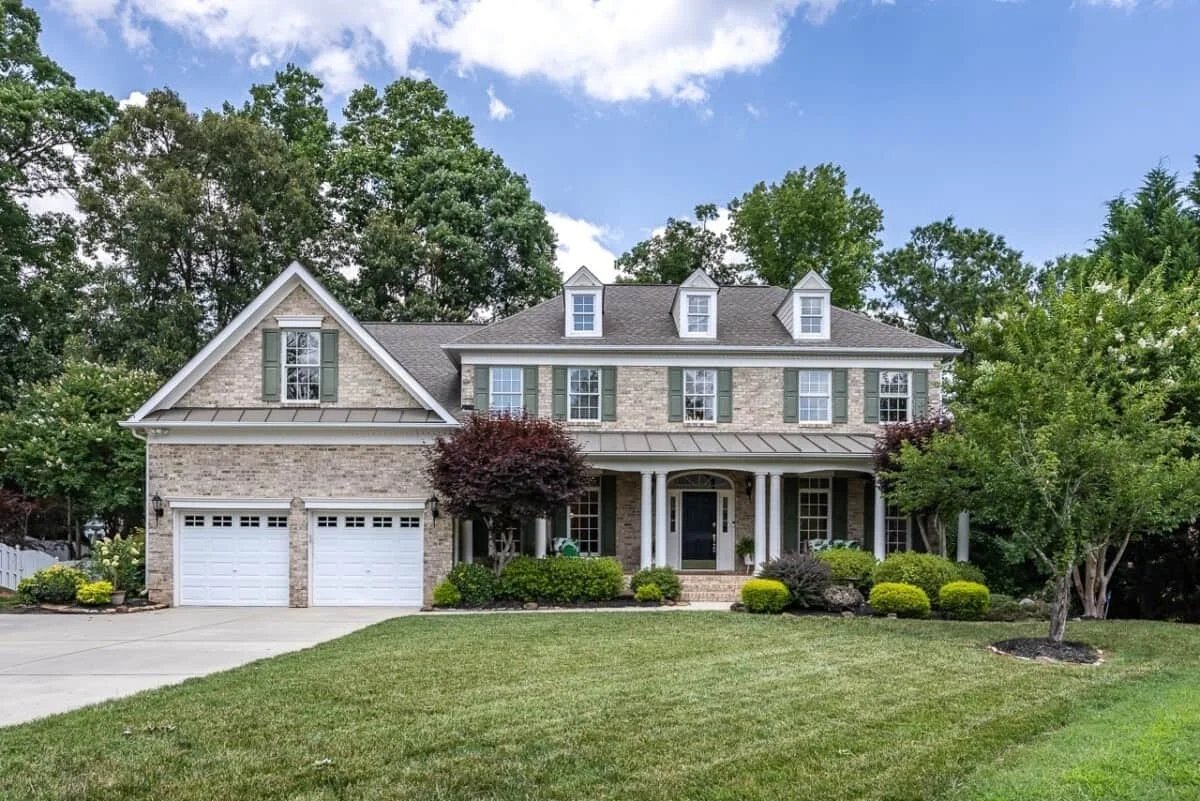
Strategizing Your Next Move
Before making a thoughtful decision between buying and renting in Raleigh, potential residents should consider both their immediate financial capabilities and long-term vision. This applies not just to individual circumstances but also to anticipated demographic shifts, job opportunities, and urban development that could redefine Raleigh in the coming years.
Ultimately, the choice doesn’t merely hinge on numbers or current trends but on lifestyle desires and financial positioning. As experts suggest, it’s essential to look beyond the monthly costs of ownership compared to renting and evaluate long-term implications. If the potential purchase means marginally more than current rent, the equity built over years could provide substantial future benefits. Conversely, if renting aligns better with current professional trajectories, flexibility, and investment strategy, that path might unfold as more viable.
In a market as dynamic as Raleigh, continuous monitoring of both buying and renting trends will be crucial for anyone making housing decisions. Keeping abreast of changes, while considering personal goals, will empower future homeowners or renters to make informed, strategic choices.

